

1 hr ago
World Rabies Day Highlights Rabies Risks, Prevention And Treatment
Rabies is a very dangerous disease caused by a virus.
People can catch it when an infected animal bites them or its saliva enters broken skin.
Dogs cause most rabies infections, but other animals can spread it too.
The virus can travel through nerves to the brain and spinal cord.
Once symptoms appear, rabies is almost always deadly.
Warning signs can include unusual aggression, lots of saliva, trouble swallowing, and fear of water.
After a bite, wash the wound with soap and running water for at least 15 minutes.
Then go to a hospital so healthcare workers can decide whether vaccines and other treatment are needed.

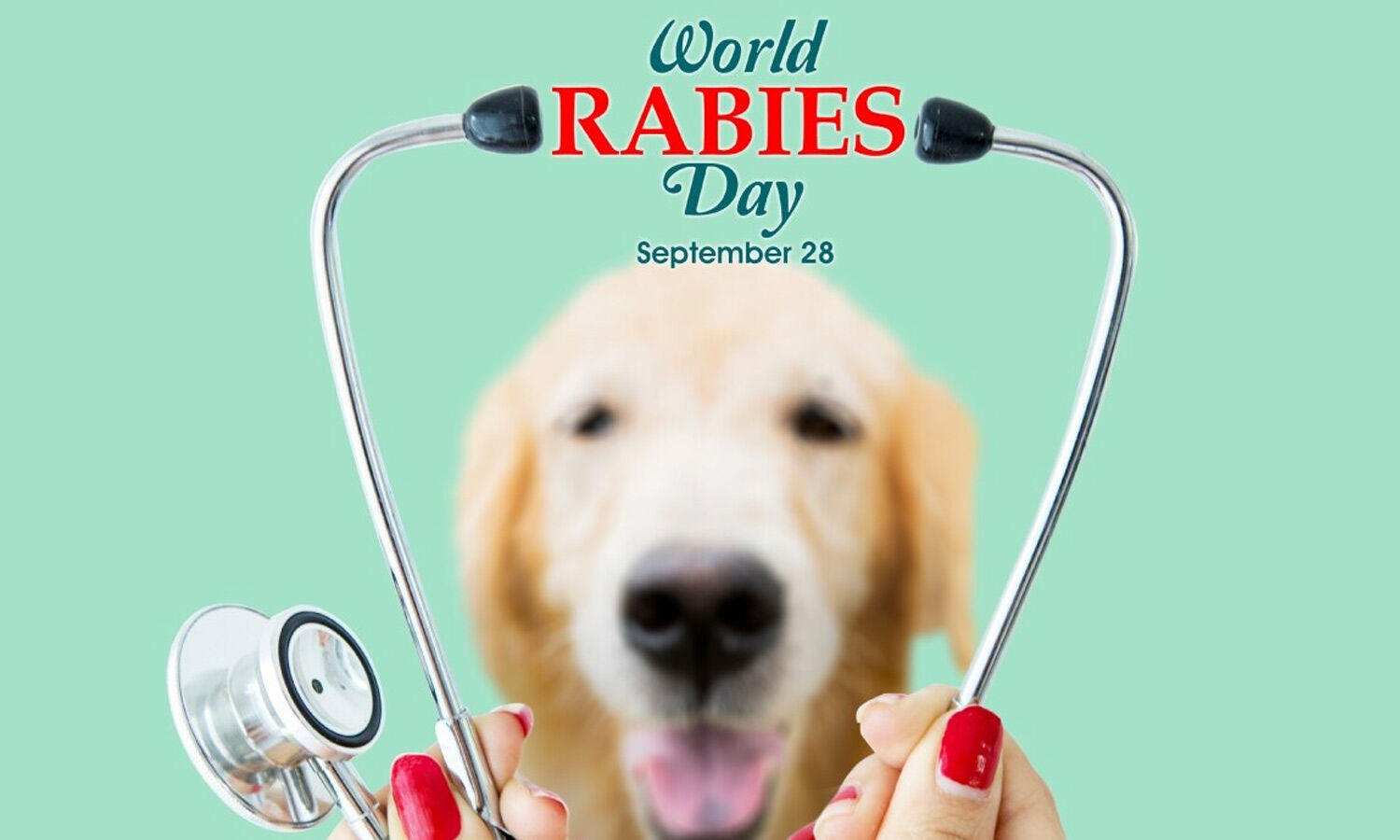
World Rabies Day is observed annually on 28 September to raise awareness about rabies prevention and treatment.
Rabies is a life-threatening viral disease transmitted mainly through infected animal bites or saliva entering broken skin.
Dogs cause up to 99% of reported rabies infections, while cats and rodents can also transmit the virus.
Rabies is almost always fatal after symptoms begin, which may include aggression, excessive salivation, difficulty swallowing, and fear of water.
After an animal bite, the wound should be washed with soap and running water for at least 15 minutes before urgent medical evaluation.
- Who
- Health authorities, schools, healthcare providers, and organizations educate people about rabies; animals such as dogs can transmit it to humans.
- What
- World Rabies Day promotes awareness of rabies causes, symptoms, prevention, and treatment after animal exposure.
- Where
- The awareness activities take place worldwide, including in schools and healthcare settings.
- When
- It is observed annually on 28 September.
- Why
- The day aims to prevent rabies deaths, encourage proper bite treatment, and discourage harmful local practices.
Key facts
- World Rabies Day
- Observed every year on 28 September.
- Annual deaths
- About 59,000 people reportedly die from rabies infection each year.
- Main transmission route
- Infected animal bites or saliva entering broken skin.
- Leading source
- Dogs cause up to 99% of rabies infections.
- Immediate wound care
- Wash the wound with soap and running water for at least 15 minutes.
- Possible medical treatment
- Healthcare providers may recommend rabies immunoglobulin, rabies vaccine, tetanus toxoid, or antibiotics.
- Symptoms
- Possible symptoms include aggression, excessive salivation, difficulty swallowing, and hydrophobia, or fear of water.
Sources
Related news

World Rabies Day 2026 Urges Collective Action Against Deadly Disease

Bhutan Eliminates Dog-Transmitted Rabies; Experts Urge Prompt Action
Get Rabies Vaccine Immediately After a Dog Bite

Indore Records 30,696 Dog-Bite Cases in Eight Months

Indore Reports 4,676 Animal-Bite Cases, Mostly From Dogs

Stray Dog Seriously Injures Four-Year-Old Girl in Panna
