3 weeks ago
UPI MDR Return: Banks, PhonePe, Paytm, Google Pay Benefit
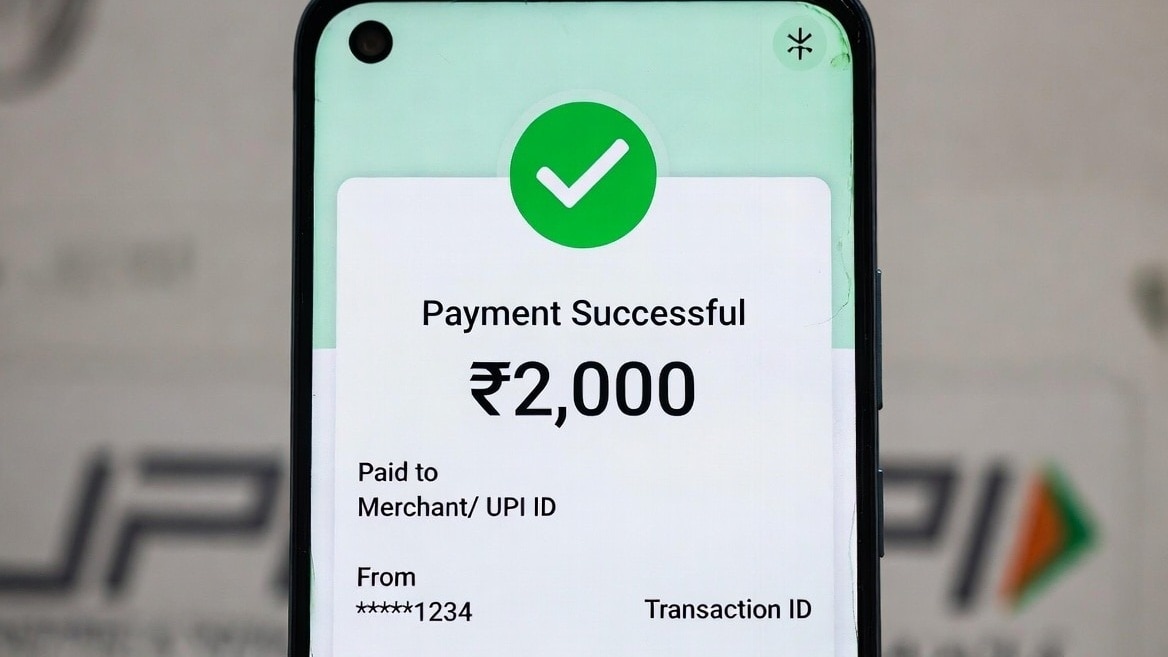
UPI is a very popular way for people in India to pay using their phones.
Right now, shops do not pay any fee to banks for accepting UPI payments.
Banks say this free system costs them too much money to keep running.
So the government is thinking about letting banks charge shops a small fee, called MDR.
Only big payments above ₹2,000 at large shops and websites like Amazon and Flipkart would be charged.
Paying at small shops, tea stalls, and sending money to friends or family would stay completely free.
If the fee comes back, big banks like SBI could earn thousands of crore rupees every year.
Payment apps like PhonePe, Google Pay, and Paytm would also earn extra money to improve their services.
No fees have been announced yet — the new law just makes it possible in the future.

The government is considering reintroducing MDR on UPI because the zero-MDR mandate has made UPI ecosystem expansion 'financially unsustainable' for banks and payment service providers, according to the Parliamentary Standing Committee on Finance.
The Payment and Settlement Systems (Amendment) Bill, 2027 would remove the blanket zero-MDR exemption and give the Centre power to decide which payment modes enjoy zero MDR via official notification.
MDR would initially target transactions above ₹2,000 at large commercial entities and e-commerce platforms such as Amazon and Flipkart, while person-to-person transfers and payments to small shopkeepers remain free.
SBI could earn a windfall of ₹3,000 crore annually; Bank of Baroda and HDFC Bank could earn around ₹800 crore each, while Union Bank and Punjab National Bank could earn around ₹700 crore each.
PhonePe and Paytm could earn roughly ₹700 crore annually each from MDR and Google Pay about ₹500 crore, with Jefferies estimating a ₹5,000-₹10,000 crore revenue opportunity by FY2027-28.
- Who
- The Indian government, the Parliamentary Standing Committee on Finance, banks (SBI, Bank of Baroda, HDFC Bank, Union Bank, Punjab National Bank), and payment companies (PhonePe, Google Pay, Paytm).
- What
- The government is moving to reintroduce MDR (Merchant Discount Rate) fees on select UPI transactions through the Payment and Settlement Systems (Amendment) Bill, 2027.
- Where
- India
- When
- The Bill is dated 2027 and is currently under consideration; no specific fee, rate, or implementation timeline has been announced yet.
- Why
- The zero-MDR mandate has made the expansion of the UPI ecosystem financially unsustainable for banks and payment service providers.
Banks and Payment Firms Seeking Revenue
Consumer and Merchant Cost Concerns
Reintroducing MDR on UPI
Banks and Payment Firms Seeking Revenue
The zero-MDR mandate has made UPI expansion 'financially unsustainable'; charging MDR gives banks and payment service providers fresh fee income to invest in expansion and improve profitability.
Consumer and Merchant Cost Concerns
MDR is a business cost that can be passed on to customers through pricing, making previously free digital payments potentially chargeable for consumers.
Scope of MDR charges
Banks and Payment Firms Seeking Revenue
Targeting only high-value transactions (above ₹2,000) at large commercial entities is a balanced approach that keeps daily retail, small shops, and personal transfers free.
Consumer and Merchant Cost Concerns
The Bill 'at present' only targets large merchants and creates broad legal space to impose fees later, meaning the scope of chargeable transactions could expand beyond the current limits.
Key facts
- What is MDR?
- Merchant Discount Rate — a fee paid by merchants to banks/payment providers, not directly by customers; businesses may absorb it or pass it on through pricing.
- Proposed trigger
- UPI transactions above ₹2,000 at large commercial entities and e-commerce platforms with turnover over ₹1.5 crore or ₹150 crore.
- Exempt payments
- Person-to-person transfers and payments to small shopkeepers, tea stalls, grocery stores, vegetable vendors and auto-rickshaws remain at 0% MDR.
- Key legislation
- Payment and Settlement Systems (Amendment) Bill, 2027
- SBI potential windfall
- ₹3,000 crore annually
- Bank of Baroda/HDFC Bank potential earnings
- Around ₹800 crore each
- PhonePe/Paytm and Google Pay potential earnings
- Roughly ₹700 crore annually each for PhonePe and Paytm; about ₹500 crore for Google Pay
- Market opportunity
- ₹5,000-₹10,000 crore by FY2027-28 at a 15-30 basis points MDR (Jefferies estimate)
Quotes

Jefferies
Financial analyst firm Jefferies
“We feel the industry is likely to be more disciplined about retaining the MDR and investing in expansion and improving profitability, rather than eroding it through competitive pricing.”
 businesstoday.in
Sources
Related news

UPI Users Unlikely to Pay Fees Even If MDR Allowed

Lok Sabha passes bill allowing UPI merchant discount rate charges
UPI Payments May Get MDR Charges; Small Transactions Stay Free

SBI, HDFC, Baroda Among Biggest Beneficiaries If UPI MDR Returns
UPI remains free for users, some merchants face nominal charges
India Draws Record $127 Billion Through Special FCNR Window
Major Banks Cut FCNR Deposit Rates After Subsidy Ends

Uber Driver Returns ₹37,000 Sent by Mistake, Refuses Reward

Indian Stocks Extend Three-Day Losing Streak as Oil Rises

ICICI Bank Nears HDFC Bank as Nifty’s Top Influence