

0 months ago
SBI, HDFC, Baroda Among Biggest Beneficiaries If UPI MDR Returns

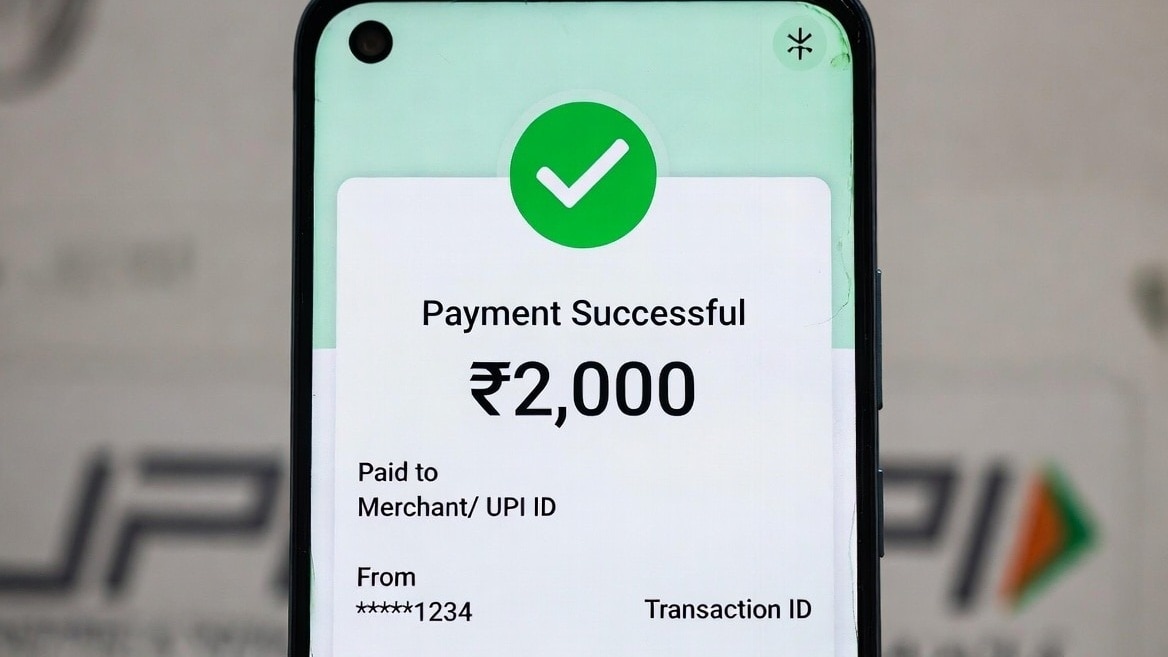
In India, many people use a system called UPI to send and receive money using their phones.
When people pay shops or businesses through UPI, banks and other companies help move the money.
Right now, businesses do not have to pay fees for these UPI payments.
The government is thinking about adding a small fee, called MDR, for some payments.
If that fee returns, banks that hold customer accounts would get a share of the money.
Big banks like SBI could earn up to ₹3,000 crore every year from these merchant payments.
Other big banks like HDFC Bank and Bank of Baroda could earn around ₹800 crore each.
The fee would be tiny — about 25 to 30 basis points, which is a very small part of each payment.
It would probably apply only to very large payments from big businesses.
The final decision is still being worked out, and the central bank says the proposal is still at an early stage.

India's largest UPI account-issuing banks — SBI, Bank of Baroda, HDFC Bank, Union Bank of India and Punjab National Bank — are expected to benefit significantly if merchant discount rate (MDR) is introduced on UPI transactions.
SBI could earn up to ₹3,000 crore annually from merchant UPI payments, while Bank of Baroda and HDFC Bank could generate around ₹800 crore each.
Union Bank and Punjab National Bank may earn nearly ₹700 crore each, and industry estimates suggest issuing banks may receive around 60-70% of MDR collected.
The proposed MDR rate is expected to be around 25-30 basis points, which could generate nearly ₹16,000 crore annually at 30 bps or around ₹13,500 crore at 25 bps for the UPI ecosystem.
The levy is likely to apply only to high-value payments and large commercial entities, with the final revenue-sharing structure to be decided after a government Gazette notification and by the NPCI Steering Committee on UPI.
- Who
- India's largest UPI account-issuing banks — State Bank of India (SBI), Bank of Baroda, HDFC Bank, Union Bank of India and Punjab National Bank — along with NPCI, PSP banks, payment aggregators and other UPI ecosystem participants.
- What
- The possible reintroduction of a merchant discount rate (MDR) on UPI transactions, which could generate significant revenue for issuing banks through interchange fees.
- Where
- India
- When
- Timing is not specified; UPI transactions became zero-MDR in 2020, and RBI's governor says the MDR proposal is still at an early stage, pending a government Gazette notification.
- Why
- To create revenue for banks and other UPI participants; MDR would compensate account-issuing banks for merchant UPI payment services, with SBI potentially earning up to ₹3,000 crore annually.
Backers of UPI MDR
Supporters of Fee-Free UPI
Merchant discount rate on UPI
Backers of UPI MDR
Banks that hold customer accounts should earn a share of MDR through interchange fees; SBI could gain up to ₹3,000 crore annually from merchant UPI payments.
Supporters of Fee-Free UPI
UPI has so far operated largely without transaction charges for merchants, and the debate over UPI charges is growing; returning MDR could significantly alter UPI's revenue model.
Scope and timing of the levy
Backers of UPI MDR
MDR revenue would be shared across the ecosystem — including remitter banks, beneficiary banks, PSP banks, payment aggregators and NPCI — rewarding each participant's role.
Supporters of Fee-Free UPI
The proposal is still at an early stage and likely to apply only to high-value payments and large commercial entities; the final structure depends on a government Gazette notification and NPCI Steering Committee decision.
Key facts
- Biggest expected beneficiaries
- SBI, Bank of Baroda, HDFC Bank, Union Bank of India, Punjab National Bank
- SBI's estimated annual MDR earnings
- Up to ₹3,000 crore
- BoB and HDFC Bank estimated earnings
- Around ₹800 crore each
- Union Bank and PNB estimated earnings
- Nearly ₹700 crore each
- Proposed MDR rate
- 25-30 basis points
- Estimated UPI ecosystem revenue
- ~₹16,000 crore annually at 30 bps; ~₹13,500 crore at 25 bps
- Issuing banks' share of MDR
- 60-70% via interchange fees
- Current status
- Zero-MDR since 2020; proposal at early stage, pending Gazette notification
Sources
Related news
UPI MDR Return: Banks, PhonePe, Paytm, Google Pay Benefit

Proposed UPI MDR fees could power Paytm growth, BofA says

Selective UPI MDR Could Generate Rs 30,000 Crore Revenue

Lok Sabha passes bill allowing UPI merchant discount rate charges
India Draws Record $127 Billion Through Special FCNR Window

RBI Forex Swap Attracts $136.4 Billion, Led by FCNR(B)

Major Banks Cut FCNR Deposit Rates After Subsidy Ends

Uber Driver Returns ₹37,000 Sent by Mistake, Refuses Reward

Indian Stocks Extend Three-Day Losing Streak as Oil Rises
