

2 weeks ago
Jadav Payeng warns against Kaziranga eco-sensitive zone reduction

There is a very special place in India called Kaziranga National Park, where many one-horned rhinos live.
Around the park there is a big safety zone that helps protect the animals and the forest.
The government of Assam wants to make this safety zone much smaller, from 10 kilometers to just 1 kilometer.
A man named Jadav Payeng, who is famous for planting an entire forest all by himself, says this is a bad idea.
He worries the animals will not be safe, especially when floods happen and they walk to the hills of Karbi Anglong.
He also says smaller safety zones can lead to more fights between people and elephants or monkeys.
The Chief Minister says the smaller zone follows what the Supreme Court said and will help build new things, like a stadium.
Other people, like the Congress party, agree with Payeng and say the change could hurt nature.
Everyone wants Kaziranga to be protected, but they do not agree on the best way to do it.

Padma Shri awardee Jadav Payeng warned against reducing Kaziranga National Park's eco-sensitive zone from 10km to 1km.
Payeng said a smaller zone would threaten the park's animals, especially during floods when they move toward the Karbi Anglong hills.
Assam Chief Minister Himanta Biswa Sarma defended the proposed reduction, saying it follows Supreme Court guidelines and is not a dilution.
Sarma said the state will send a proposal to the Centre within months to cut the ESZ, partly to enable development including a stadium.
The Congress party backed Payeng, calling the reduction a significant change that could weaken the ecological buffer protecting the park.
- Who
- Jadav Payeng, Assam Chief Minister Himanta Biswa Sarma, the BJP-led state government, and the Congress party
- What
- A dispute over a proposal to reduce Kaziranga National Park's eco-sensitive zone from 10km to 1km
- Where
- Kaziranga National Park and the Karbi Anglong hills in Assam, India
- When
- Payeng posted his warning on Thursday; Sarma defended the move on Wednesday after announcing the plan on August 8
- Why
- Conservationists say a smaller zone endangers wildlife and weakens the ecological buffer; the government says the reduction follows Supreme Court guidelines and supports development
Conservationist view
State government view
Reducing the eco-sensitive zone from 10km to 1km
Conservationist view
A smaller ESZ would pose a serious challenge to the park's animals, especially during floods when they move to the Karbi Anglong hills, and would increase man-elephant and man-monkey conflicts.
State government view
The reduction follows Supreme Court guidelines and is 'not reducing or diluting' the ESZ; it supports development activities including building a stadium.
Nature of the proposed change
Conservationist view
Congress calls it 'not a minor administrative change' that could weaken the ecological buffer protecting Kaziranga from unplanned development, habitat fragmentation and human pressure.
State government view
Sarma says the government is following Supreme Court guidelines on notifying the ESZ, with the area remaining 10km only until the state notifies its proposal.
Key facts
- Issue
- Proposal to reduce Kaziranga's eco-sensitive zone from 10km to 1km
- Park status
- UNESCO World Heritage Site
- Key species
- World's largest population of one-horned rhinos
- Core area
- 430 sq km across four districts
- Total protected area
- 1,300 sq km with six additions
- Payeng's forest
- Moloi forest, 1,360 acres in Jorhat, Assam
- Payeng's award
- Padma Shri, awarded in 2015
- Stated government plan
- Proposal to the Centre within a couple of months, including for building a stadium
Quotes
Congress party representative
Member of the opposition Congress party
““What will they do if the area is reduced to 1km? Let it remain as it is. We all need to secure Kaziranga through thorough deliberations. I request everyone, the Centre and the state government, to secure Kaziranga through long‑term solutions.””
 telegraphindia.com
““Reducing the ESZ was not a minor administrative change; it could weaken the ecological buffer protecting Kaziranga from unplanned development, habitat fragmentation and human pressure.””
telegraphindia.com
Sources
Related news
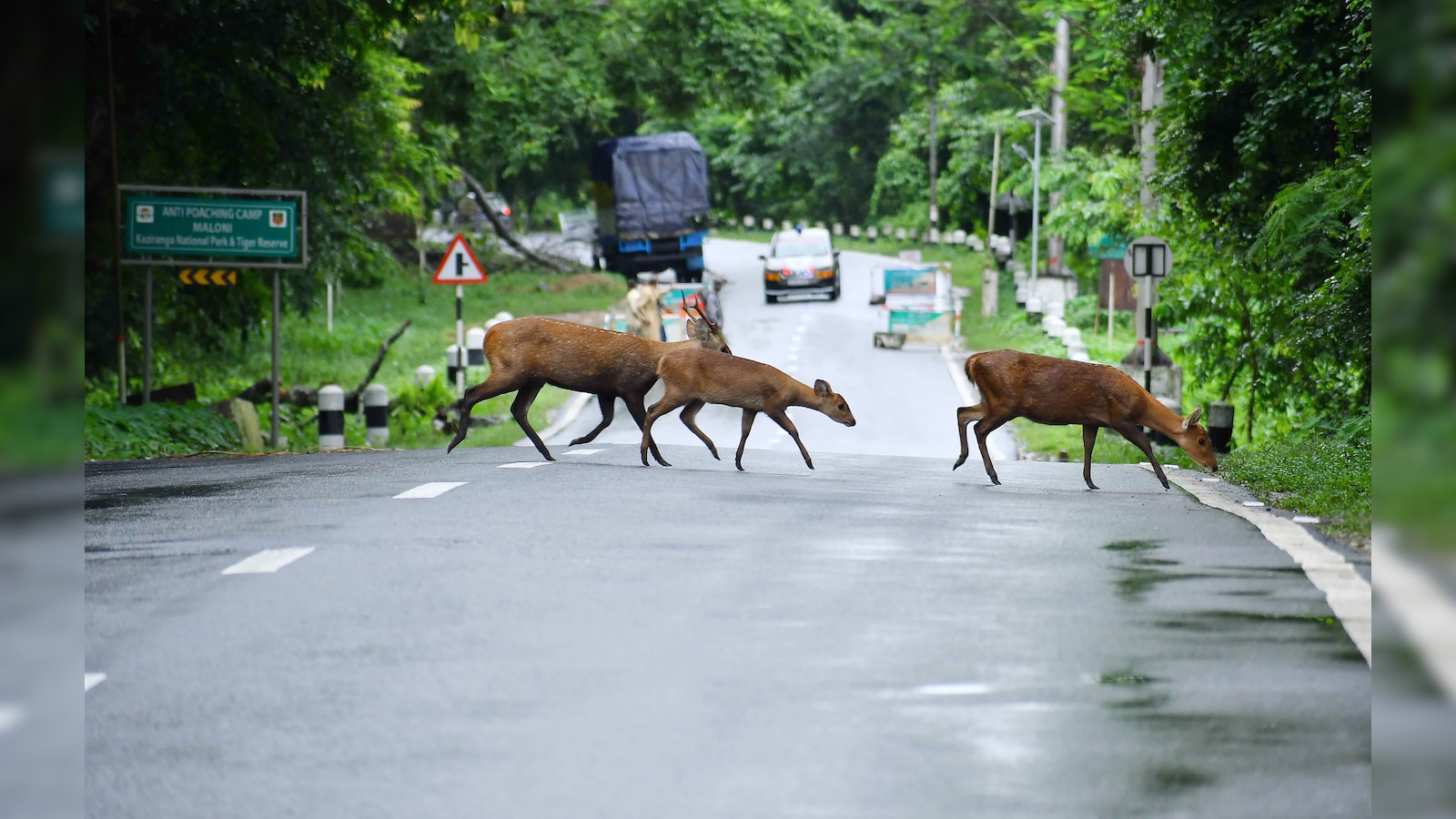
Assam to Seek Centre Approval to Cut Kaziranga Buffer Zone

Assam Congress Plans Statewide March Over Kaziranga ESZ Reduction

Assam to seek 1-km eco-sensitive zone for Kaziranga from Centre
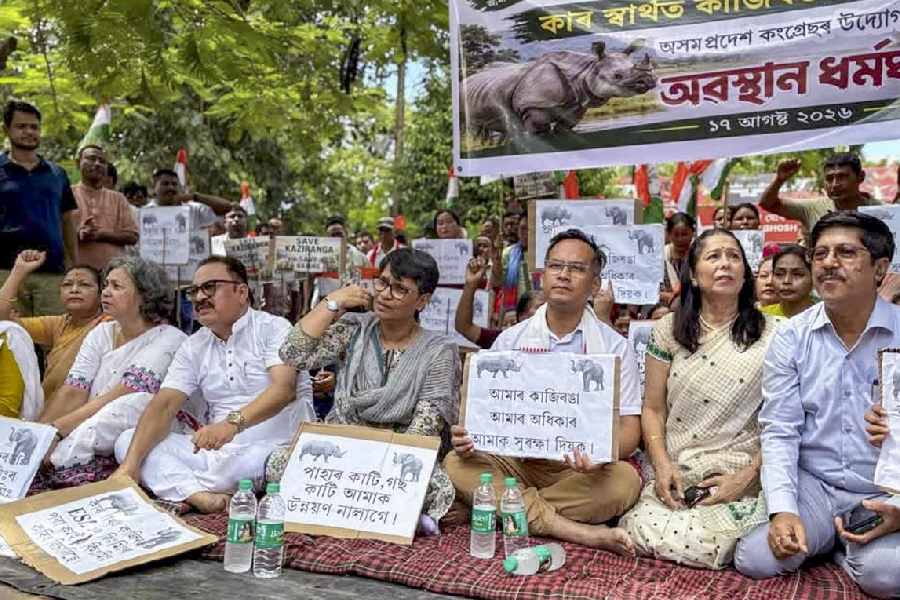
Assam Congress Protests Proposed Kaziranga Eco-Sensitive Zone Reduction
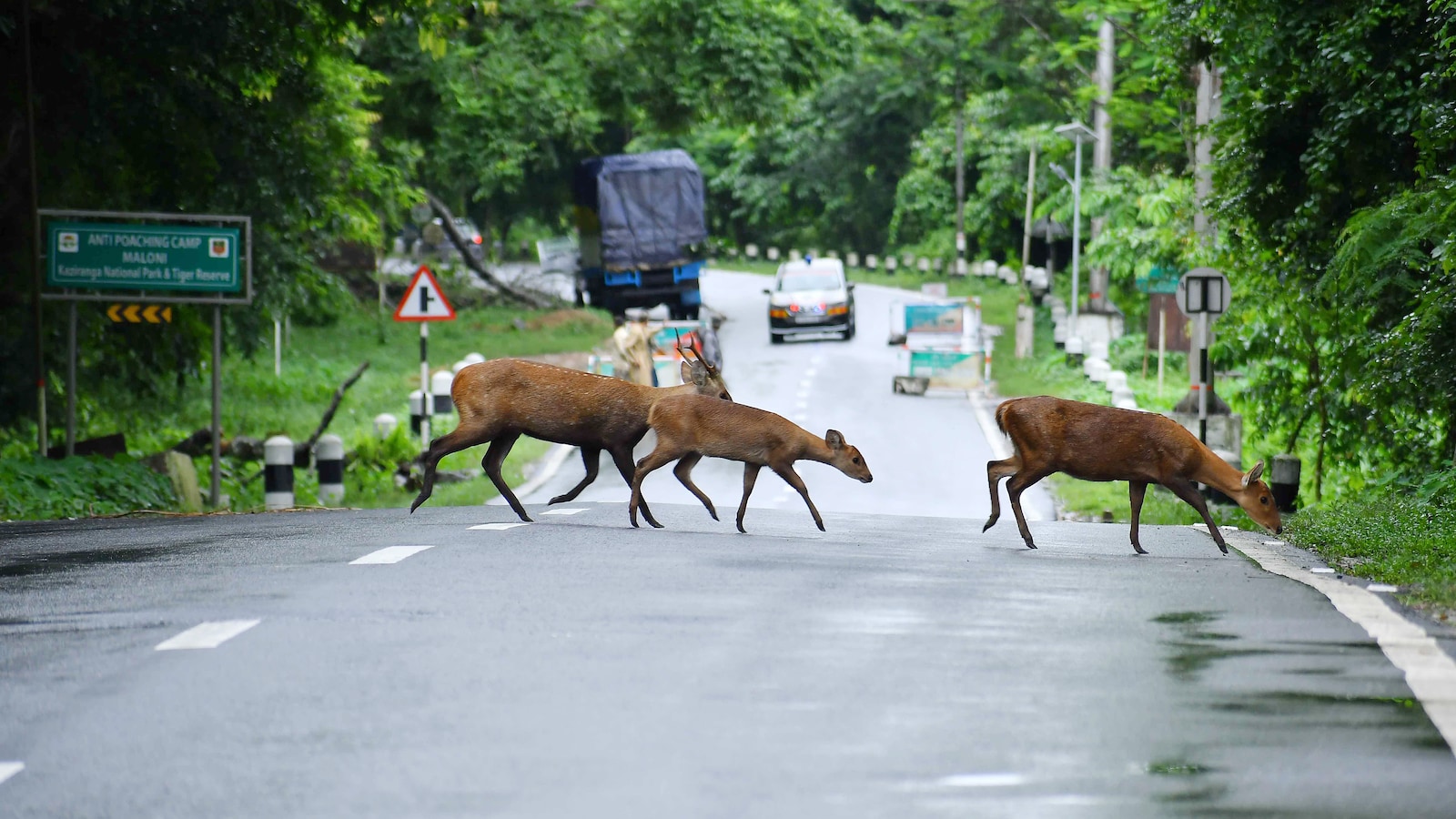
Kaziranga Villagers Back Site-Specific Eco-Sensitive Zone Proposal Amid Livelihood Debate
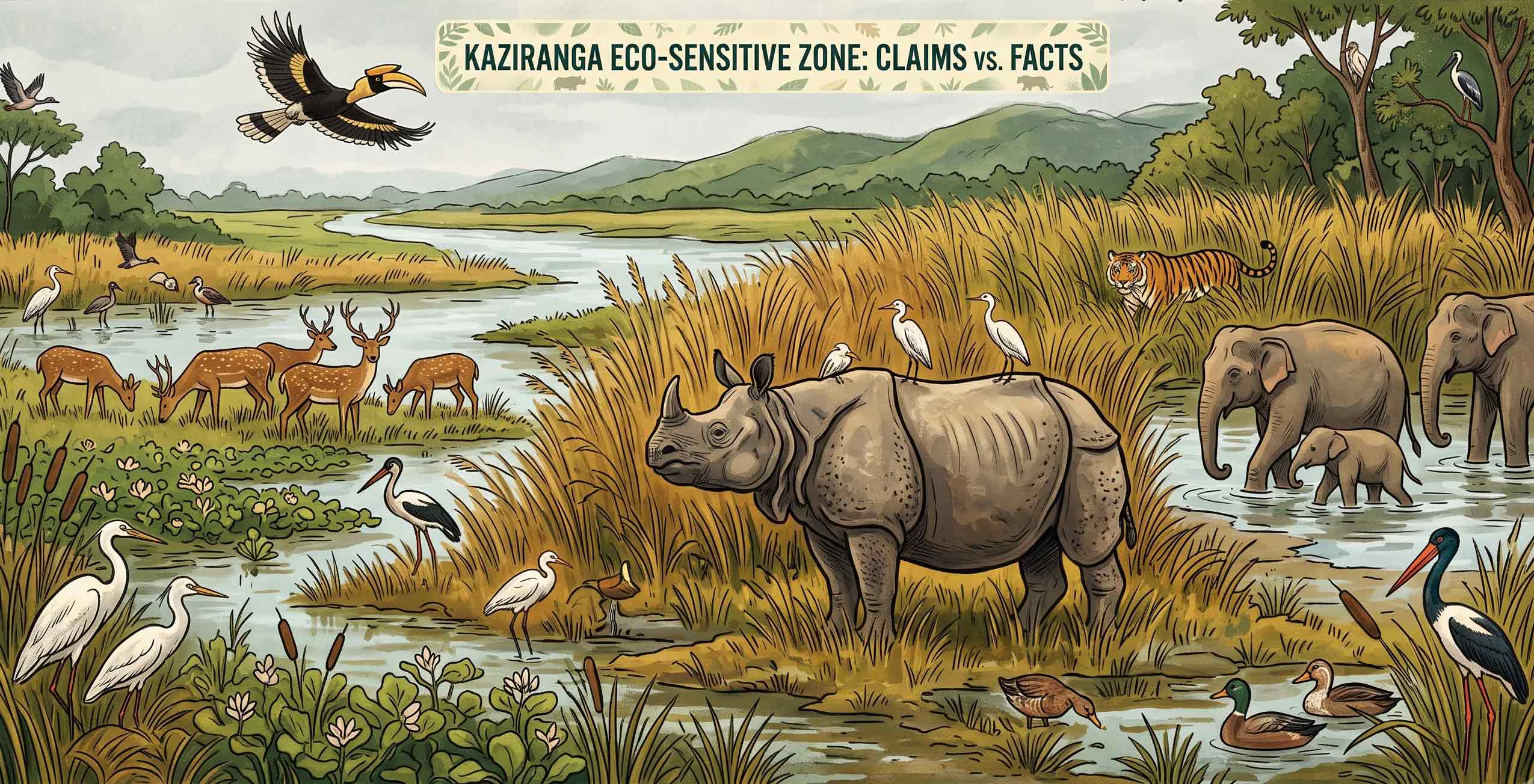
Assam's 1 km Kaziranga Eco-Sensitive Zone Plan Draws Criticism

BJP MLA Anil Sharma Dies After Prolonged Illness, Yogi Mourns

India’s Global Power Ambitions Face Economic and Democratic Setbacks

Sonia Gandhi Memoir Sparks Debate Over Politics, Publishing And Speech

Rajasthan BJP Promises Early Disturbed Area Law Enforcement

Punjab Police, ED Clash Over Alleged Transfer-Posting Network