

3 weeks ago
Assam to seek 1-km eco-sensitive zone for Kaziranga from Centre

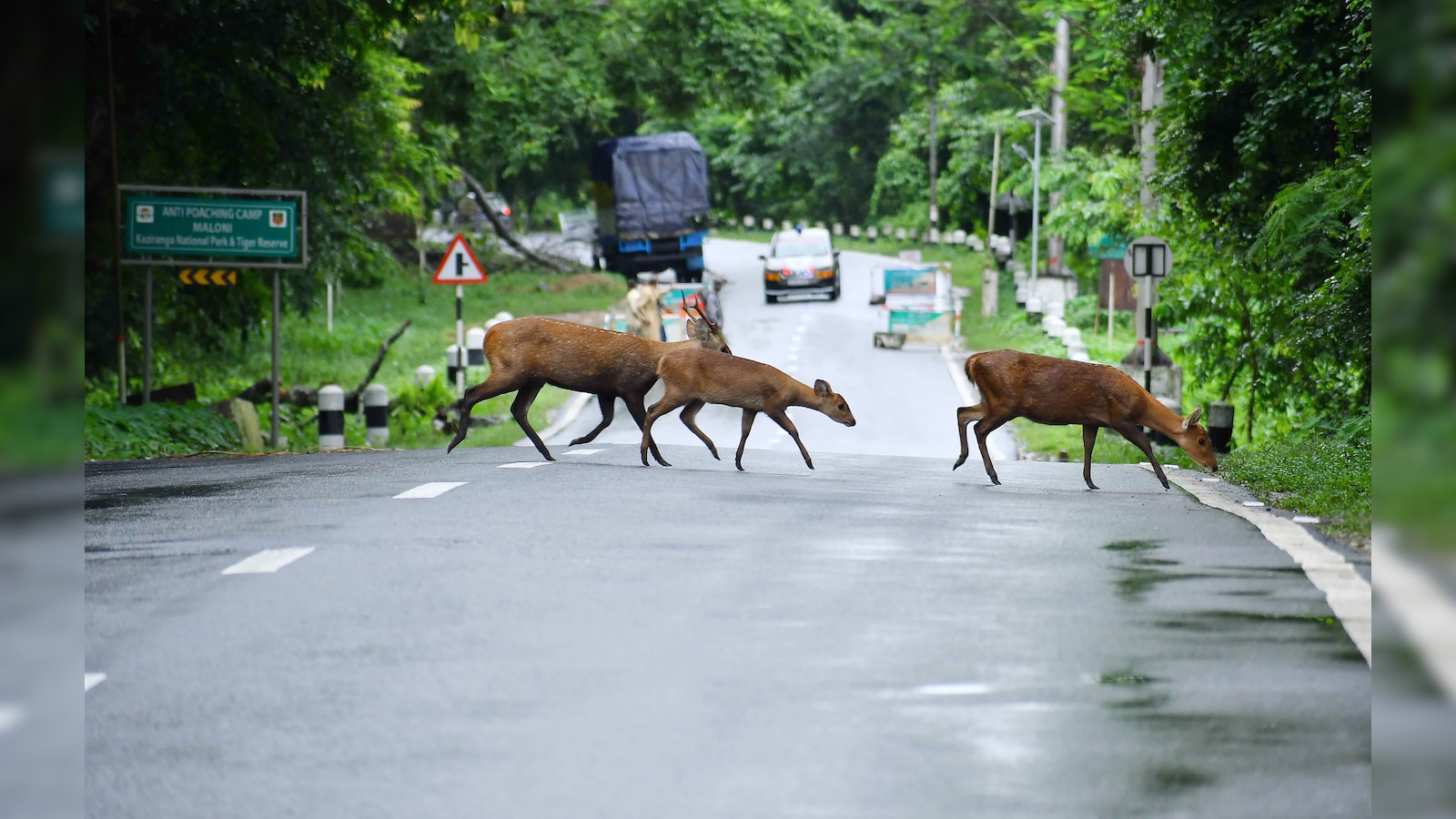
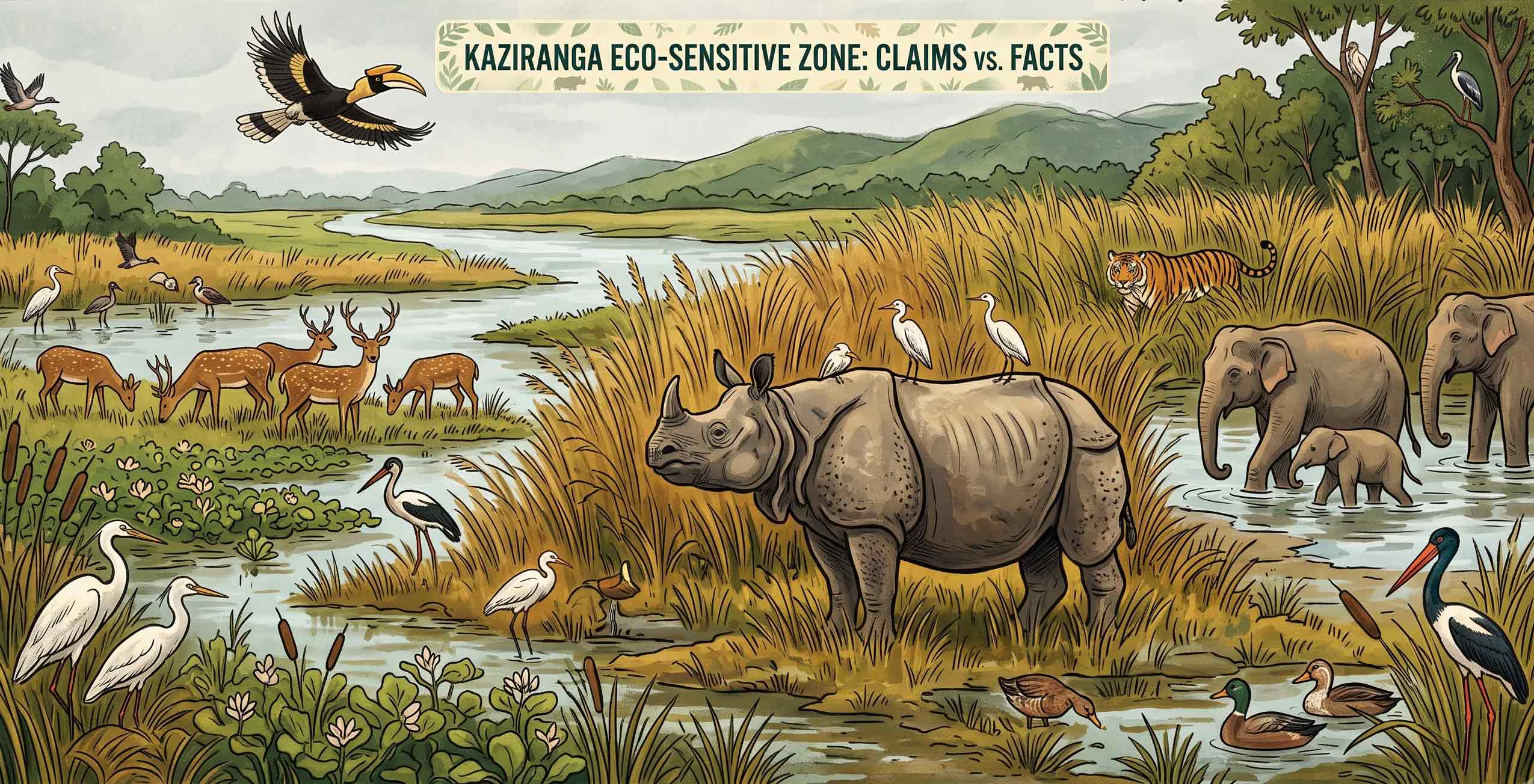
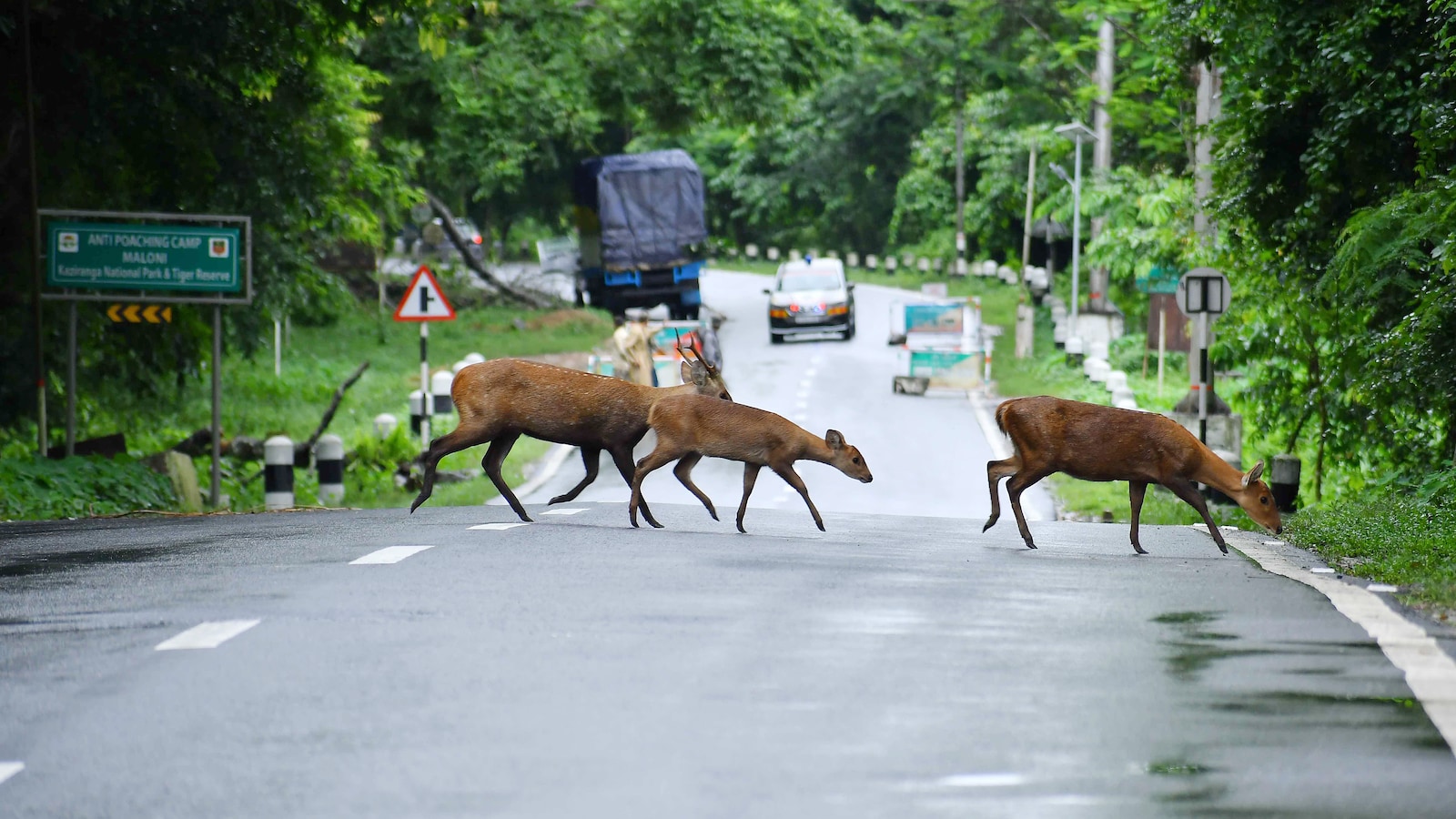
Kaziranga National Park in Assam, India, is a protected home for many wild animals, including the one-horned rhinoceros.
Around the park there is a special safety zone where building and development are limited.
Because the park's final official papers have not been finished, a very large 10-kilometre safety zone is automatically in place.
Assam's chief minister, Himanta Biswa Sarma, thinks that zone is too big.
He wants to make it only 1 kilometre wide.
He says the big zone stops the nearby town of Bokakhat from building useful things like a new stadium and better roads.
He says a smaller, science-based zone would still protect the animals while letting the town grow.
Some people who care about wildlife worry that smaller protections could hurt the animals.
Earlier, in June 2025, the government also cancelled a plan to add more land to the park, which upset many nature lovers.
Leaders say they want a balance between protecting nature and helping towns, but not everyone agrees on how to reach it.

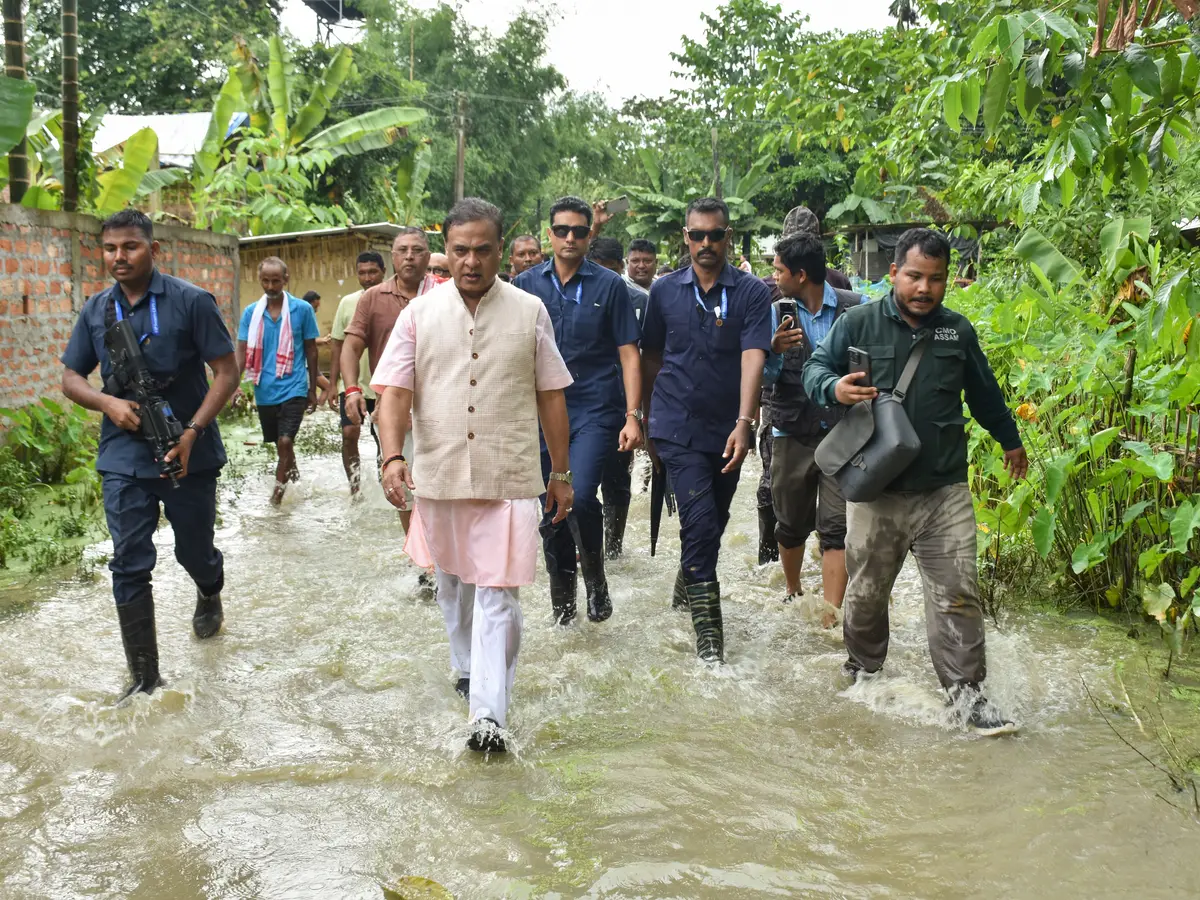
Assam Chief Minister Himanta Biswa Sarma said the state will approach the Centre within two months to reduce Kaziranga National Park's eco-sensitive zone from the default 10 km to 1 km.
The 10-km buffer is automatically in force because Kaziranga has not yet received its final eco-sensitive zone notification.
Sarma argued the default limit has hindered infrastructure and urban development in Bokakhat, including a planned modern stadium.
He said a scientifically defined 1-km zone would ease restrictions on civic projects while continuing to protect the park's wildlife.
In June 2025, the government withdrew the preliminary notification for a proposed ninth addition of 2,570 hectares in Sonitpur district, drawing criticism from conservationists.
- Who
- Assam Chief Minister Himanta Biswa Sarma and the Assam state government, which plans to petition the Centre.
- What
- The state government will demand that Kaziranga National Park's eco-sensitive zone be reduced from the default 10 km to a scientifically defined 1 km to ease development restrictions.
- Where
- Bokakhat and Kaziranga National Park in Assam, India; a related notification withdrawal concerned Sonitpur district.
- When
- Announced during Sarma's visit to Bokakhat; the state plans to approach the Centre within two months, after the final notification process is completed.
- Why
- To relax restrictions on civic projects such as a modern stadium and town infrastructure improvements and ease difficulties faced by local residents.
Conservationists
State Government
Size of the Eco-Sensitive Zone
Conservationists
A 10-km eco-sensitive zone is needed to protect the park and its wildlife; shrinking it to 1 km would compromise wildlife safeguarding.
State Government
The default 10-km limit is unscientific and blocks infrastructure and urban development in Bokakhat; a 1-km zone defined on scientific grounds would balance conservation with development.
Conservation vs. Development Priorities
Conservationists
Conservationists warn that easing protections, including the zone reduction and the ninth-addition withdrawal, could weaken ecological connectivity and wildlife protection.
State Government
Sarma insists the proposal strikes a practical balance between conservation needs and development goals, easing restrictions on civic projects and bringing regulatory certainty for residents.
Key facts
- Chief Minister of Assam
- Himanta Biswa Sarma
- Proposed eco-sensitive zone
- 1 km
- Current default buffer
- 10 km (Supreme Court's default direction; final notification pending)
- Timeline
- State to approach the Centre within two months
- Affected town
- Bokakhat
- Development plans
- Modern stadium and town infrastructure improvements
- Park status
- UNESCO World Heritage Site, home to one-horned rhinoceros; no notified ESZ
- Related decision
- June 2025 withdrawal of preliminary notification for Kaziranga's ninth addition (2,570 hectares) in Sonitpur district
Quotes

Himanta Biswa Sarma
Chief Minister of Assam
“In short, since Kaziranga has not yet finally been notified, the default eco‑sensitive zone is 10 km. Once the notification is completed, we will propose a scientifically defined 1‑km eco‑sensitive zone. That will remove unnecessary restrictions and allow us to undertake development works in Bokakhat while continuing to protect wildlife.”
 deccanchronicle.com
““Once there is a proper notification, the eco-sensitive zone will be reduced to one kilometre, which will significantly ease many of the existing constraints.””
 wionews.com
Sources
Related news
Assam to Seek Centre Approval to Cut Kaziranga Buffer Zone
Assam's 1 km Kaziranga Eco-Sensitive Zone Plan Draws Criticism
Kaziranga Villagers Back Site-Specific Eco-Sensitive Zone Proposal Amid Livelihood Debate

Assam Congress Plans Statewide March Over Kaziranga ESZ Reduction
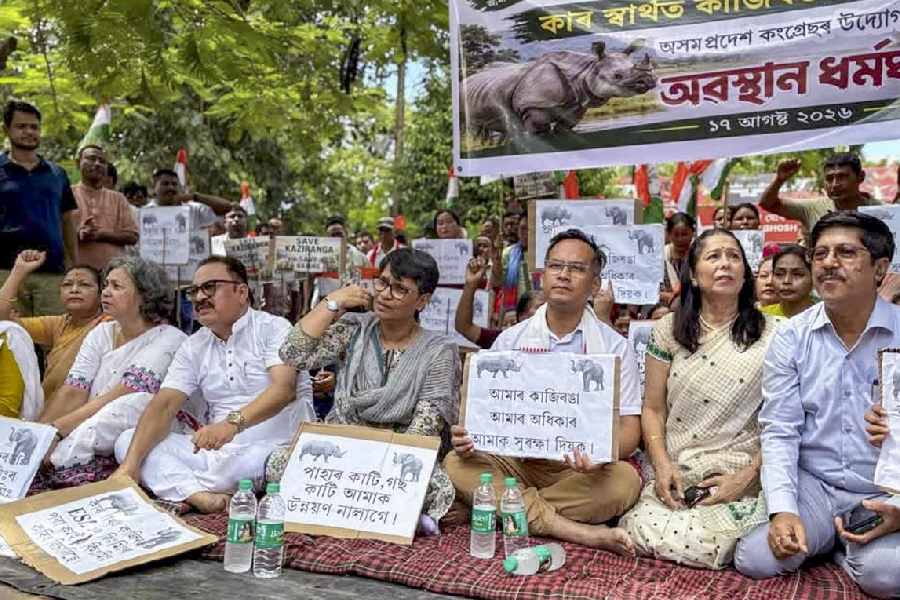
Assam Congress Protests Proposed Kaziranga Eco-Sensitive Zone Reduction
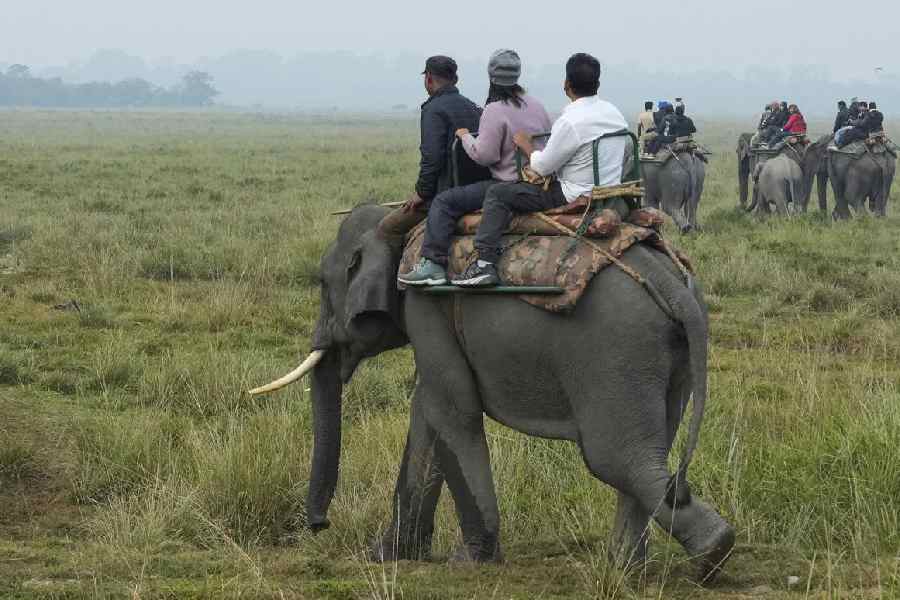
Jadav Payeng warns against Kaziranga eco-sensitive zone reduction

Shinde Sena Challenges Shiv Sena’s 2018 Power Shift

Supreme Court Questions BCI Chairman’s Proposed Five-Year Tenure

BJP MPs Seek National Commission for General Category Interests

PUCL Urges CJI Action Over Rajasthan High Court Allegations

Supreme Court Questions IPS Deputation for CAPF Leadership Positions