2 weeks ago
Education is India's most powerful tool against child marriage
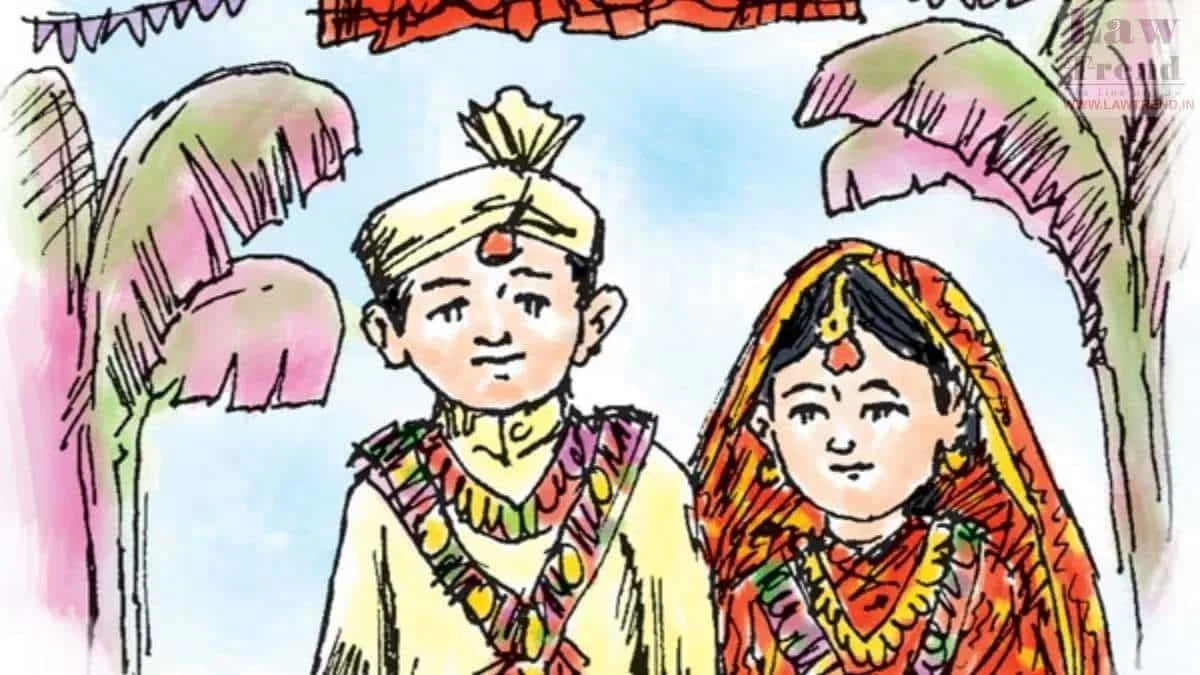
A long time ago, some families in India began marrying off their daughters when they were very young.
They did this because they were poor, worried about safety, and followed old customs.
Over time, this habit stayed even after the hard times were gone.
Today, India is doing much better.
A big survey called the National Family Health Survey found that 23 out of 100 young women were married before they turned 18.
That number is still too high, but it is much lower than it used to be.
Most of these marriages happen in five states: Uttar Pradesh, Bihar, West Bengal, Maharashtra, and Madhya Pradesh.
The best way to stop child marriage is to keep girls in school.
When girls stay in school, they can learn, get jobs, and choose to marry later.
Laws cannot change people's habits by themselves, but schools and education can.

According to India's National Family Health Survey (NFHS-5, 2019-21), 23 per cent of women aged 20-24 were married before turning 18.
More than half of India's child brides are concentrated in just five states: Uttar Pradesh, Bihar, West Bengal, Maharashtra, and Madhya Pradesh.
UNFPA's analysis of NFHS-5 concludes child marriage is driven by a combination of poverty, gender inequality, limited education, and social norms rather than any single factor.
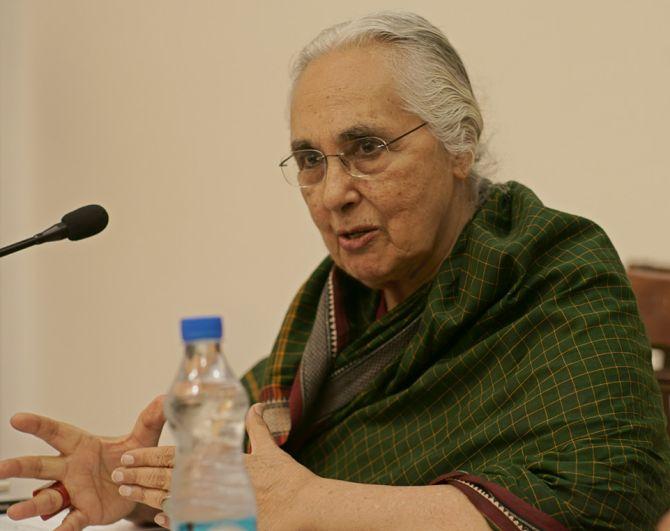
Historians including Romila Thapar, A. L. Basham, and Upinder Singh say child marriage became common in the later medieval period, not an original feature of Indian civilisation.
India has laws such as the Child Marriage Restraint Act 1929 and the Prohibition of Child Marriage Act 2006, but the article argues education and economic opportunity, not legislation alone, are changing the practice.
- Who
- Indian girls and families, aided by agencies such as UNICEF and UNFPA, and informed by historians Romila Thapar, A. L. Basham, Upinder Singh, and Nobel laureate Amartya Sen.
- What
- An analysis of why child marriage developed in India over centuries and why girls' education is the most powerful force for ending it.
- Where
- India, with more than half of child brides concentrated in Uttar Pradesh, Bihar, West Bengal, Maharashtra, and Madhya Pradesh.
- When
- Based on current data from NFHS-5 (2019-21) and India's progress over the past two decades.
- Why
- Because legislation alone has not ended the practice; education, economic opportunity, and community awareness are needed to change deeply embedded social norms.
Key facts
- Child marriage rate
- 23% of Indian women aged 20-24 were married before age 18 (NFHS-5, 2019-21)
- Top five states
- Uttar Pradesh, Bihar, West Bengal, Maharashtra, Madhya Pradesh (hold over half of India's child brides)
- Key legislation
- Child Marriage Restraint Act 1929; Prohibition of Child Marriage Act 2006
- Target
- Eliminate child marriage by 2030 (Sustainable Development Goal)
- Drivers identified by UNFPA
- Poverty, gender inequality, limited education, social norms
- Government initiatives
- Beti Bachao, Beti Padhao; scholarships; residential schools; bicycle schemes; conditional cash transfers
- UNICEF assessment
- India among countries with the fastest reductions in child marriage globally
Sources
Related news

Young Students Honoured for Challenging Child Marriage and Blackmail

Kolkata Child Marriage Case Sees Father Among Three Arrested

AISA Chief Calls Inclusive Education Essential for Social Progress

India’s Traditional Education Mostly Served Elites, Not Everyone

How Foreign Rule and Institutions Reshaped Bharatiya Cultural Life

Fresh Ujjain Excavation Tests Claims About Ashoka-Era Stupas

Romila Thapar's Memoir: Gardening Life and History
Assam to Rewrite History Textbooks

Historically Tempered Launches Video Series on Ancient Indian Diets