7 months ago
Romila Thapar Criticizes Removal of Mughals from Textbooks
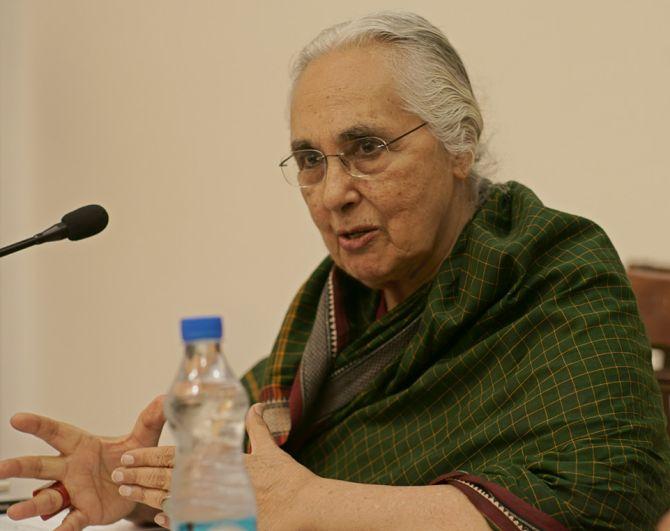
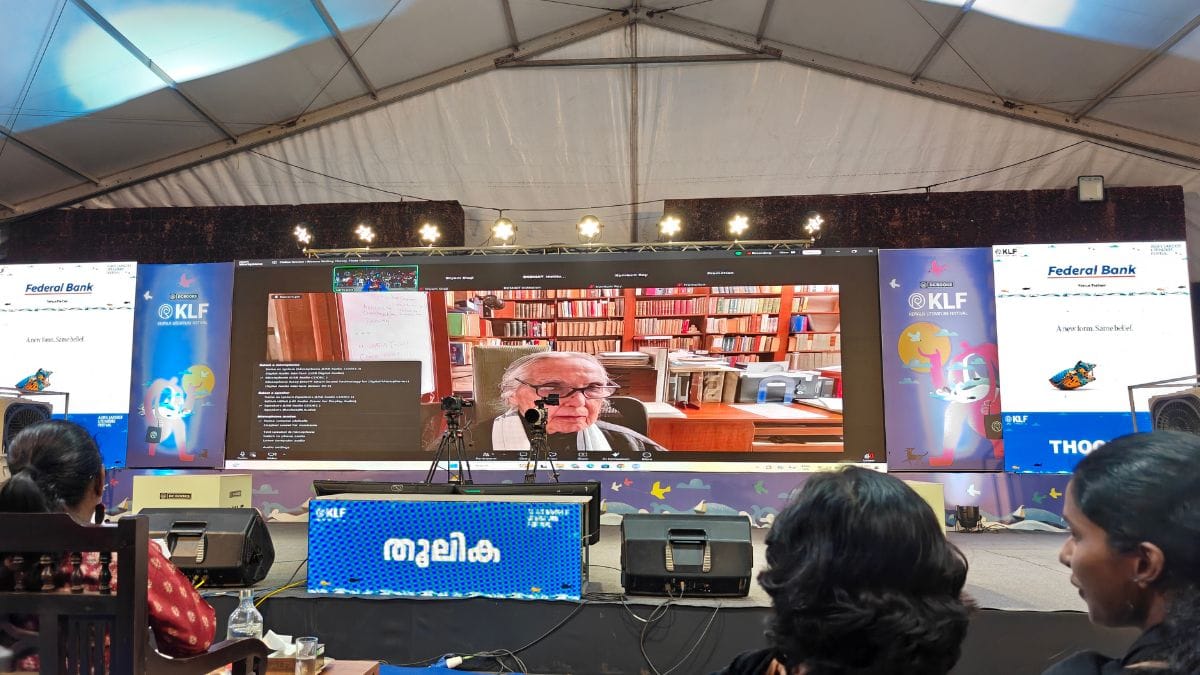
Romila Thapar, a famous historian, recently spoke at an online event called the Kerala Literature Festival.
She said it's not a good idea to remove chapters about the Mughals and other important historical periods from school textbooks.
She believes history is like a long story that should be told all at once, not in pieces.
She also warned about the problems of learning history from social media instead of professional historians.
Thapar has written many books and has been studying history for a very long time.
She thinks it's important to include different perspectives, like those of women, when teaching history.

Romila Thapar criticizes the removal of Mughal and Delhi Sultanate chapters from NCERT Class 7 textbooks.
She argues that history is a continuous process and cannot be taught in fragments.
The revised textbooks focus more on ancient Indian dynasties and cultural traditions.
Thapar expresses concern over the influence of popular history on social media.
She advises relying on professional historians for accurate historical information.
- Who
- Romila Thapar, eminent historian
- What
- Criticism of removing Mughal history from textbooks
- Where
- Online event
- When
- During the Kerala Literature Festival (KLF)
- Why
- Belief that history is a continuous process and cannot be taught in fragments
Key facts
- Historian
- Romila Thapar
- Event
- Kerala Literature Festival (KLF)
- Textbook Changes
- Removal of Mughal and Delhi Sultanate chapters
- Focus Shift
- Ancient Indian dynasties and cultural traditions
- Concern
- Influence of popular history on social media
- Advice
- Rely on professional historians for accurate history
Quotes
Kumkum Roy
Former professor of ancient history
“Given that learners are now much more tech-savvy than what we were, it’s likely that the younger generation will access these resources [platforms such as YouTube]. And it’s not only the textbook on which they will rely on… That, hopefully, will redress some of the issues that we were confronting.”
 theprint.in
“So, when we look in terms of the differences among women and men in terms of caste, class, sexual orientation, disabilities, regional identities, religious identities, and so on, it becomes a much more complex, challenging, and rich process.”
theprint.in

Romila Thapar
Historian
“The legitimacy of the discipline is being questioned by a lot of what’s generally called popular history that comes on social media… One should be aware of whether one is quoting a statement that comes out of professional historical writing or is a statement which is popularly propagated.”
theprint.in
“History is a continuous process that shouldn’t be broken.”
theprint.in
Preeti Gulati
Historian
“I think that is the broader engagement with foodways. It’s not just a sort of question that, you know, should eating beef be allowed? Is beef eating a part of Hinduism? I think the questions are far broader. A historian’s role is a bit more than what I think are very simplistic questions.”
theprint.in
“There are enough people to be reading books, there are enough publishers to be publishing books. Some will be popular histories; some will be reading academic histories.”
theprint.in