59 mins ago
BRICS, India-China Ties, Anganwadis and Trade Challenges
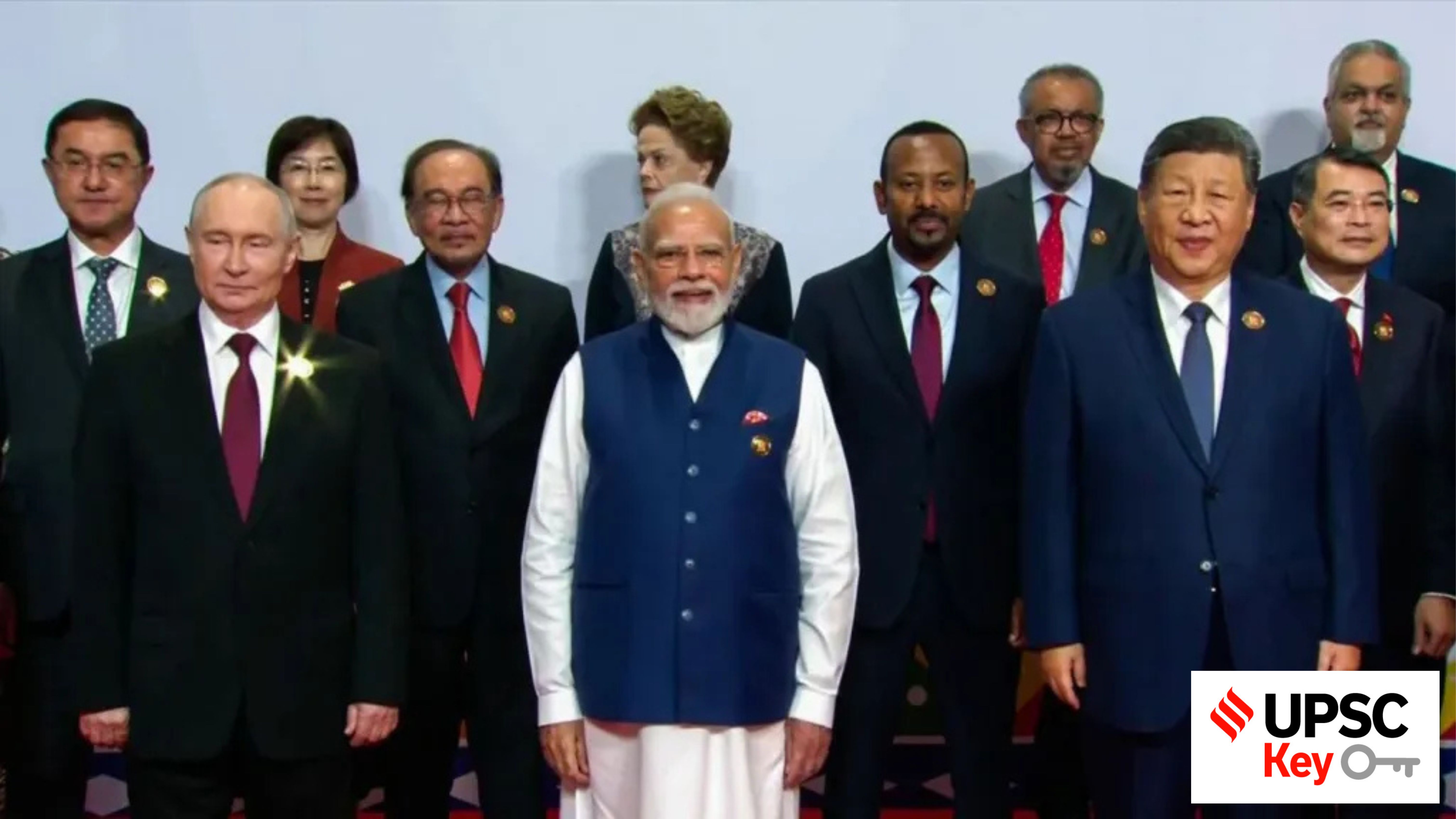
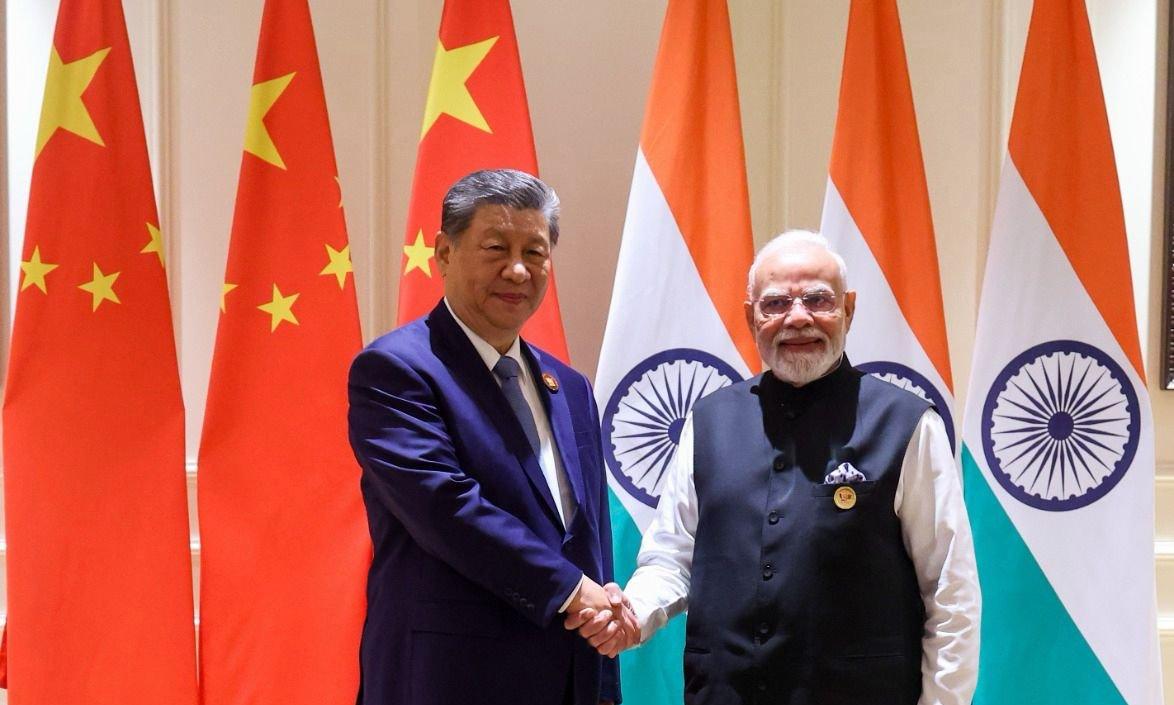
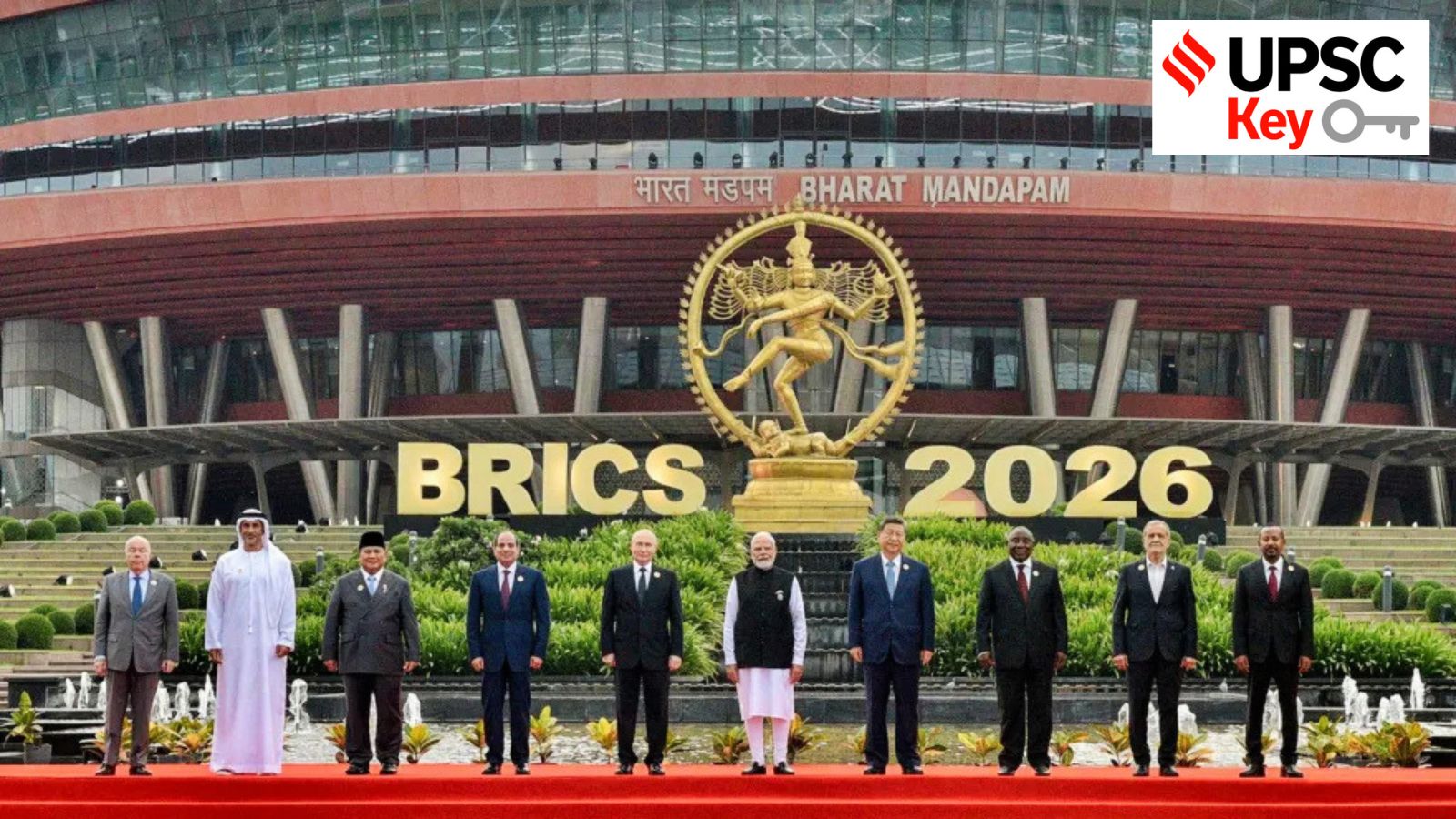
BRICS countries met to discuss how emerging economies can work together.
India focused on resilience, innovation, cooperation and sustainability, while China proposed sharing open-source artificial intelligence tools.
The group also criticised unilateral trade restrictions and condemned terrorism, including the Pahalgam attack.
India and China continue to disagree over their border, but neither side appears able to achieve everything it wants.
This situation is called a Nash equilibrium, where changing strategy alone may not improve a country’s position.
Anganwadi centres help young children and mothers with food, health checks, counselling and early learning.
India and the European Union are considering a trade agreement that could change steel and automobile trade.
Copper became more expensive because countries are worried about future American tariffs and limited supplies.
These issues show how technology, trade, security and social welfare are connected.

The 2026 BRICS Summit adopted the New Delhi Declaration on tariffs, terrorism, artificial intelligence, payments and global governance.
India promoted resilience, innovation, cooperation and sustainability, while China proposed an open-source artificial intelligence ecosystem for BRICS.
The India-China border relationship was described as a Nash equilibrium, with negotiations continuing under the 2005 political framework.
Anganwadi centres support nutrition, health, maternal care and early learning for millions of children, women and adolescent girls.
A draft India-EU trade deal includes steel quotas, expanded automobile access and tariff concessions, while copper prices reached a record amid tariff concerns.
- Who
- BRICS member and partner countries, including India, China, Russia, Iran and other participating states; India and China in the border discussion; Indian and European Union negotiators in the trade discussion; and Anganwadi workers, families and communities.
- What
- The BRICS Summit adopted the New Delhi Declaration and announced initiatives on technology, trade, security, health and development. The roundup also examines India-China border relations, Anganwadi services, the draft India-EU trade deal and rising copper prices.
- Where
- The BRICS Summit and outreach meetings were held in New Delhi. The India-China border discussion concerns the Line of Actual Control, while the trade story concerns India, the European Union and global commodity markets.
- When
- The BRICS Declaration was adopted on September 12, 2026, with the summit’s concluding sessions held on September 13. Copper prices reached a record on September 8, 2026, while the Anganwadi initiatives were discussed during Poshan Maah 2026.
- Why
- The discussions addressed rising geopolitical tensions, trade restrictions, technology competition, border management, child nutrition and the need to secure industrial raw materials.
Potential Gains and Cooperation
Risks and Constraints
BRICS technology and economic coordination
Potential Gains and Cooperation
Open-source AI, local-currency payments, digital public infrastructure and cooperation in manufacturing could widen access for developing countries and strengthen the Global South.
Risks and Constraints
BRICS members have diverse interests, and disagreements over wars, trade and geopolitical alignments can limit consensus and implementation.
India-China border equilibrium
Potential Gains and Cooperation
A tacit balance may prevent either country from taking steps that would worsen its position and can create space for continued negotiations and confidence-building.
Risks and Constraints
An equilibrium is not necessarily stable; a Dalai Lama succession dispute, an India-Pakistan conflict involving China, poor defence or internal political turmoil could disturb it.
India-EU trade liberalisation
Potential Gains and Cooperation
Lower tariffs and market access could benefit Indian exporters, consumers, workers, farmers, automobiles and higher-value steel manufacturing.
Risks and Constraints
Greater imports of European cars and exposure to EU regulations, including steel measures and the Carbon Border Adjustment Mechanism, could increase competitive pressure on Indian industry.
Key facts
- BRICS declaration
- The New Delhi Declaration addressed tariffs, terrorism, West Asia, artificial intelligence, local-currency payments and digital public infrastructure.
- India's BRICS priorities
- India focused on resilience, innovation, cooperation and sustainability.
- China's AI proposal
- China proposed a BRICS AI open-source community, cooperation on large language models, training programmes and an open AI ecosystem.
- India-China border framework
- The 2005 Political Parameters and Guiding Principles remain the central substantive agreement for settling the boundary question.
- Anganwadi reach
- About 14 lakh centres reportedly serve more than 8.9 crore children, women and adolescent girls, supported by 25.2 lakh workers and helpers.
- India-EU steel quota
- The draft trade deal provides India with a 1.64-million-tonne steel quota, including 0.69 million tonnes under the FTA component.
- Copper price
- Copper reached $14,708 per tonne on September 8, 2026, amid concerns about possible United States tariffs and supply constraints.
Quotes

Vladimir Putin
President of Russia addressing BRICS leaders
“China will be a pioneer in establishing a BRICS AI open-source community, support cooperation in developing and applying large language models, hold specialised AI seminars and training courses, and build an open ecosystem for AI.”
 indianexpress.com
“The weaponisation of technology and critical minerals can hinder our shared progress. Therefore, we have emphasised inclusivity in the adoption of technology.”
indianexpress.com
Sources
Related news
BRICS Declaration Balances Cooperation, India-China Thaw and Oil Risks
BRICS Summit Tests India’s Balancing Act Amid Global Turmoil

Modi Warns Technology, Critical Minerals Weaponisation Could Hinder BRICS Progress
UPSC Key Tracks Talking Cars, Glaciers, Treaties And Growth
UPSC Key Highlights Russia, OBC Creamy Layer, Farakka and Cities
Gujarat’s Ganeshotsav Celebrations Honor Workers, Promote Organ Donation and Tradition
Maharashtra Deputy CM Says Hindi Complements Regional Languages
Odisha CM Urges Lamp Lighting for Modi’s 76th Birthday
Gujarat Police Link Bhagalpur Email Bomb Threat to BRICS