1 hr ago
Nobel Winner Karl Deisseroth Began as a Literature Lover
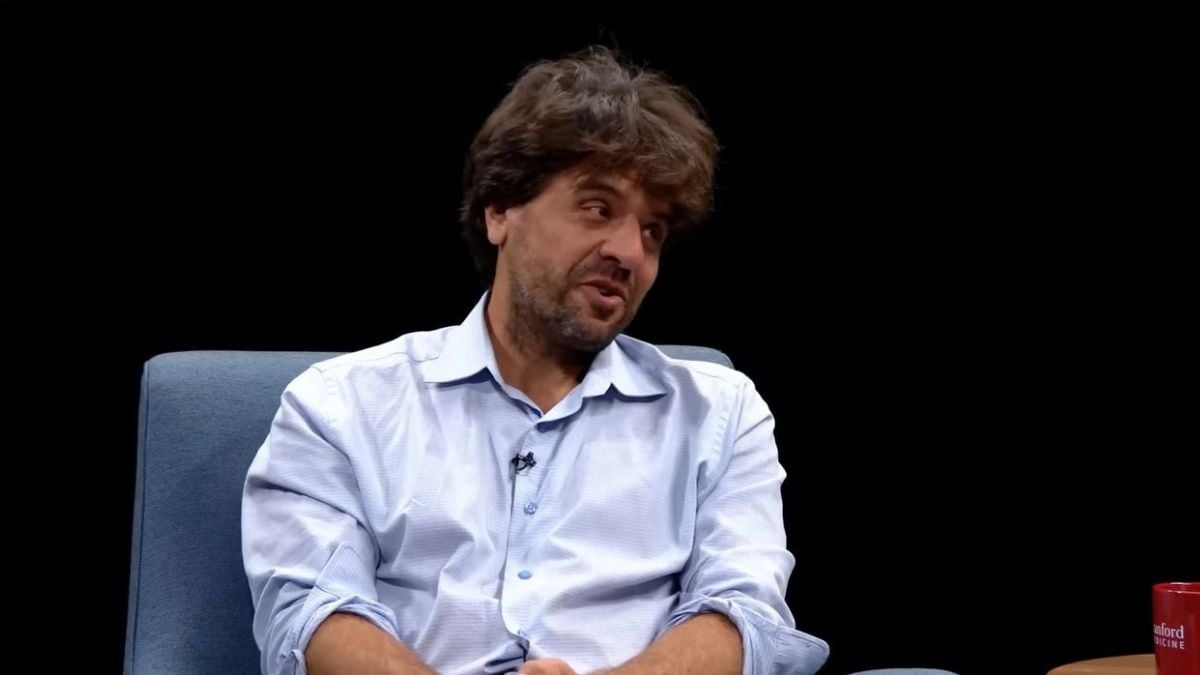
Karl Deisseroth loved reading books when he was young.
He wondered how words could make people feel things.
Later, he studied both biology and medicine.
He became a scientist and a psychiatrist who also treats patients.
He helped develop a method called optogenetics, which uses light to study and control cells.
Researchers have used it to learn about brain circuits and behaviors such as anxiety and memory.
Deisseroth says working with patients also helps his research and teaching.
He is one of the winners of the 2026 Nobel Prize in Physiology or Medicine.

Karl Deisseroth, 54, is a neuroscientist, bioengineer, practicing psychiatrist and author.
He is one of the winners of the 2026 Nobel Prize in Physiology or Medicine.
Deisseroth says his early love of literature sparked curiosity about how feelings arise.
He helped develop optogenetics, a technique that uses light to control and study cells.
His research has been used in more than 1,000 papers to investigate the brain and other cells.
- Who
- Karl Deisseroth, a neuroscientist, bioengineer, psychiatrist and author.
- What
- His path from a love of literature to neuroscience research and his role in developing optogenetics are profiled; he is also named as a 2026 Nobel Prize in Physiology or Medicine winner.
- Where
- Deisseroth is a professor at Stanford University; the article is datelined New Delhi.
- When
- The article reports on his 2026 Nobel Prize and refers to his first optogenetics experiments nearly 21 years earlier.
- Why
- His early interest in how literature stirs feelings led him to explore the links between feelings, the brain and biology.
Key facts
- Age
- 54
- Award
- One of the winners of the 2026 Nobel Prize in Physiology or Medicine
- Field
- Neuroscience, bioengineering and psychiatry
- Stanford role
- DH Chen Professor of Bioengineering and of Psychiatry and Behavioral Sciences
- Education
- Undergraduate degree from Harvard University; PhD and MD from Stanford University
- First experiments
- Nearly 21 years before the article, he tested whether brain neurons could be made sensitive to light
- Research use
- The article says optogenetics has been used in more than 1,000 papers
Quotes

Karl Deisseroth
American neuroscientist, psychiatrist and 2026 Nobel Prize in Physiology or Medicine winner
“I was a reader. I loved books, I loved literature, loved understanding how feelings could be stirred in people by a few letters on a page—that was an amazing thing for me. And I was introspective enough to think about that and be curious about how it worked.”
 theprint.in
“I think at that very first experiment 21 years ago with testing the different optogenetic methods, I had no idea what was going to work, and I knew I didn’t know. And so I knew I had to try a number of different things.”
theprint.in
Sources
Related news
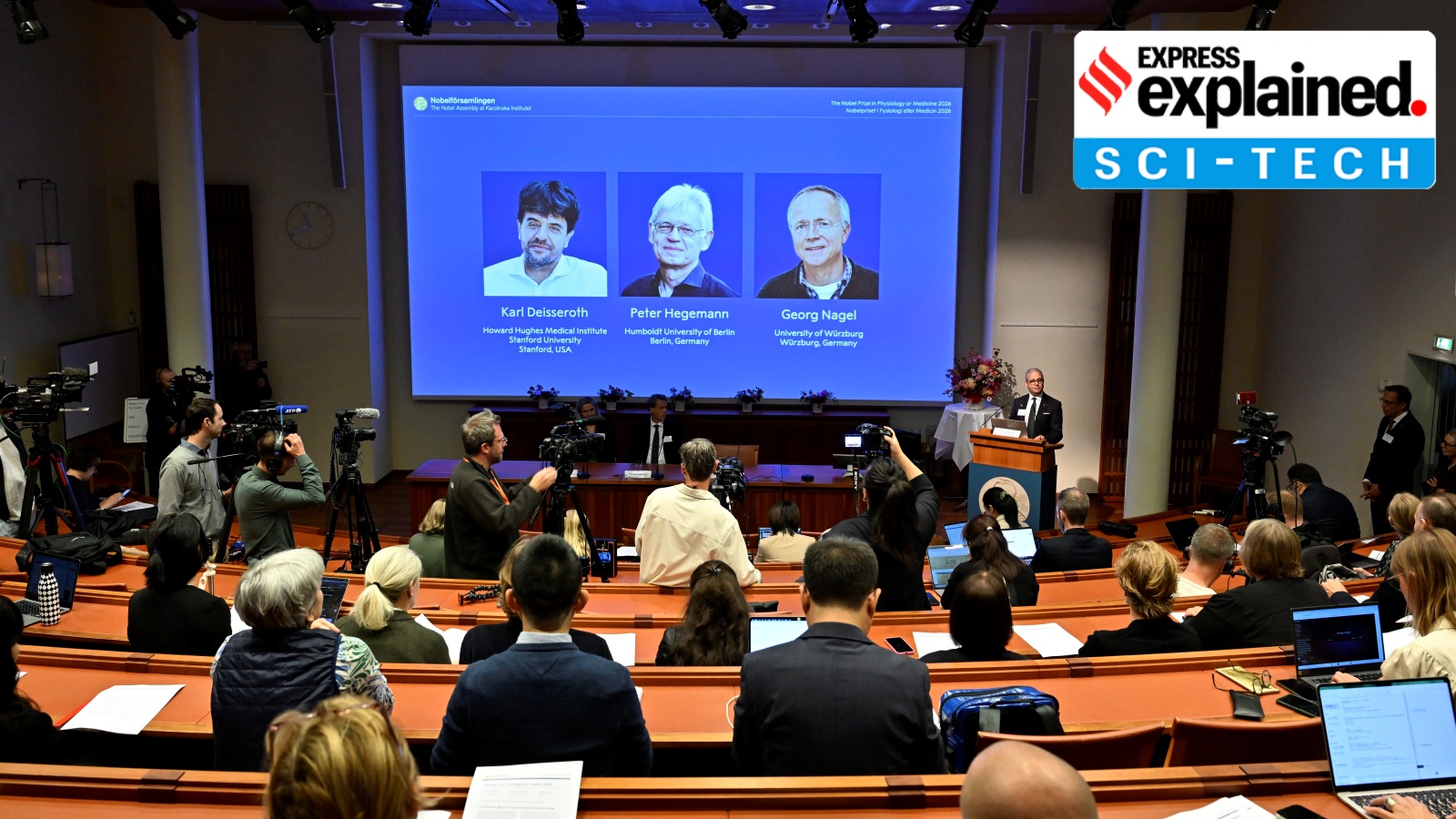
Three Scientists Win 2026 Nobel Medicine Prize for Optogenetics

Nitin Gupta: From JEE 2000 Topper to Mosquito Brain Researcher

Venkatraman Ramakrishnan’s Risky Path from Physics to Nobel

The Love Hypothesis Review Praises Reinhart, Criticizes Formula

Hyderabad Scientist Remembered for Kindness After Death in America
Scientists Grow Brainstem Cells in Petri Dishes for First Time
Stanford Urine Test May Detect Bladder Cancer and Guide Treatment

AI’s Trillion-Dollar Bet Depends on Productivity Gains Arriving

Former Taiwan President Tsai Ing-wen to Visit US Conference