

1 hr ago
India's Regenerative Agriculture Gains Momentum to Restore Soil, Build Resilience
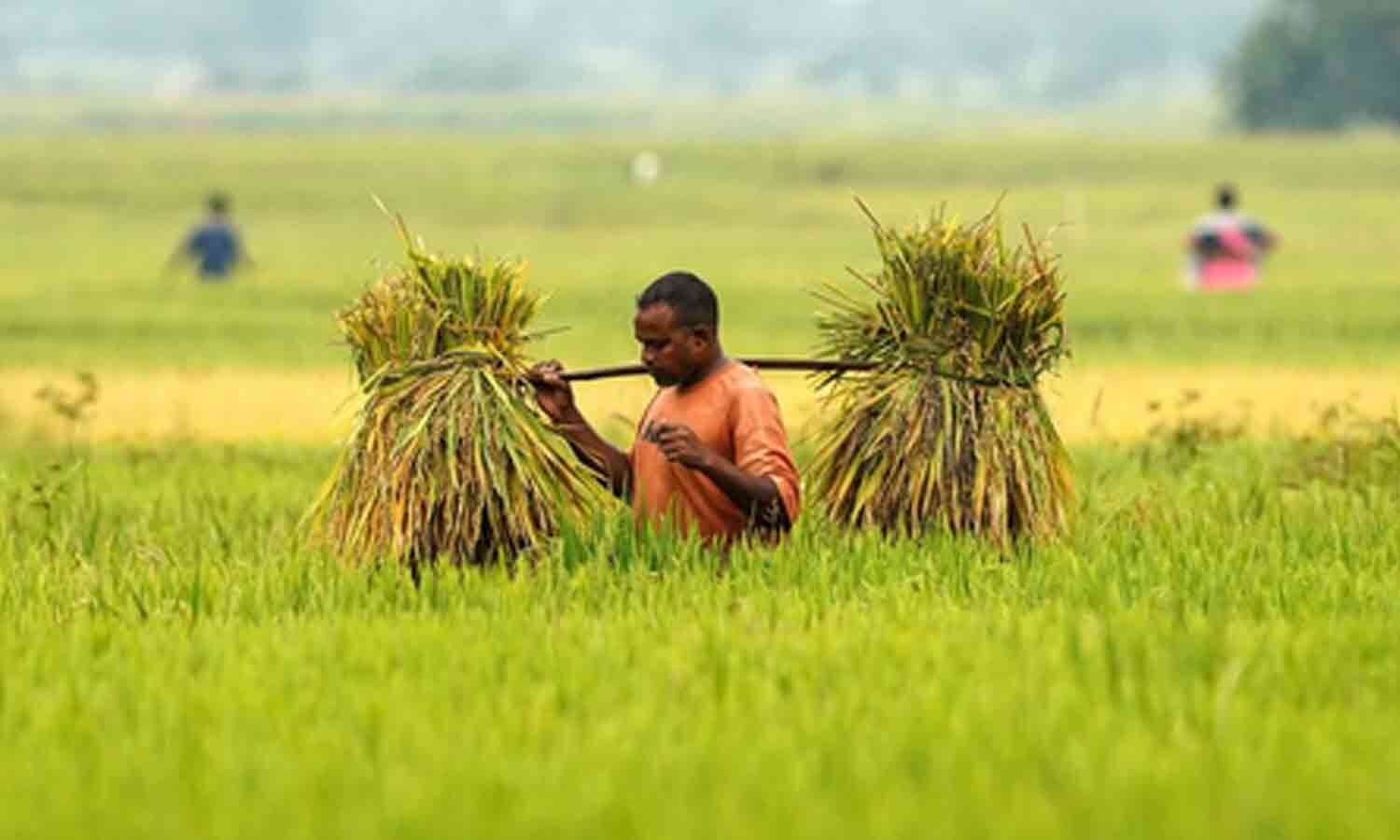
Regenerative agriculture is a way of farming that tries to make soil healthier while growing food.
A new report says it could help Indian farmers deal with climate and land problems.
About one-third of India's land is estimated to be degraded.
Huge amounts of soil and plant nutrients are lost each year.
Farmers in several Indian states are already trying these methods.
Computers, sensors, satellites and other tools can help farmers use water and other resources more carefully.
However, changing farming methods can cost money and may be difficult for farmers with small or divided plots.
The report says India needs better finance, research, technology and cooperation to make regenerative agriculture more widely used.

A joint Grant Thornton Bharat and US-India Business Council report says regenerative agriculture is moving beyond pilot projects in India.
About one-third of India's land, or roughly 115-120 million hectares, is estimated to be degraded.
India loses an estimated 4.8-5.3 billion tonnes of soil and nearly 8 million tonnes of plant nutrients annually.
The sector was valued at approximately $62 million in 2025 and is supported by government initiatives, private investment and carbon-credit programmes.
Fragmented landholdings, transition costs, limited technical awareness and evolving carbon-market rules remain barriers to wider adoption.
- Who
- A joint report by Grant Thornton Bharat and the US-India Business Council, along with Indian farmers and agricultural stakeholders.
- What
- The report identifies regenerative agriculture as a pathway to restore soil health, improve resilience and strengthen agricultural productivity.
- Where
- India, including emerging models in Andhra Pradesh, Sikkim, Maharashtra, Karnataka and Tamil Nadu.
- When
- The findings were reported on Tuesday, with the sector valued at approximately $62 million in 2025.
- Why
- Land degradation, soil erosion and the loss of plant nutrients are threatening agricultural productivity and food security.
Key facts
- Estimated degraded land
- Approximately 115-120 million hectares, or about one-third of India's land area
- Annual soil loss
- An estimated 4.8-5.3 billion tonnes
- Annual nutrient loss
- Nearly 8 million tonnes of plant nutrients
- Reported market value
- Approximately $62 million in 2025
- Technology tools
- Artificial intelligence, IoT-enabled sensors, satellite imagery, remote sensing, blockchain and precision agriculture
- Adoption barriers
- Fragmented landholdings, transition costs, limited technical awareness and evolving carbon-market frameworks
- Recommended action
- Greater public-private collaboration, finance, research, traceability and a unified national framework
Quotes
Prof. Padmanand V
Partner and Agriculture Industry Leader at Grant Thornton Bharat
“Realising this potential will require coordinated action across policy, technology, finance, advisory services and value chains. With the right ecosystem of incentives, innovation and partnerships, India can build a more sustainable, competitive and future-ready agricultural sector that delivers benefits for farmers, consumers and the planet.”
 thehansindia.com
“India stands at a defining moment in its agricultural transformation. Regenerative agriculture offers an opportunity to enhance productivity and quality while restoring soil health, strengthening climate resilience and improving farmer livelihoods.”
thehansindia.com
Sources
Related news
Google DeepMind Builds India-First AI Models for Agriculture

Land Restoration Called Investment in Food, Water and Livelihoods

Fadnavis Urges Technology-Driven Farming to Break Farmers’ Debt Cycle

India likely to reach 62 pc 5G adoption by 2030

Ajay Banga Says India’s Development Offers Global Lessons
Uttar Pradesh AgriStack Farmer Registry Reaches 86.88 Percent Target

Maharashtra official flags steep medical-device markups, seeks pricing oversight

India Forms Task Force To Revive Formula 1 By 2028
Maharashtra Cabinet Approves Soft Loans to Clear Sugarcane Dues

CBI Case Into Disha Salian Death Deepens Maharashtra Political Clash
