1 hr ago
Screen Habits Can Strain the Neck, Doctor Explains

Looking down at a phone or sitting at a computer for a long time can make your neck muscles work too hard.
Holding your head forward for a while may make those muscles tired and sore.
A low screen, an unsupported back and not moving much can make the discomfort worse.
People sometimes call this pattern “tech neck,” but neck pain can have other causes too.
A doctor says to put your screen around arm’s length away and at eye level.
Use a chair that supports your back, and keep your keyboard and mouse within easy reach.
Take breaks, change positions and gently move your neck and shoulders.
You do not have to sit perfectly still in one posture all day.
If the pain lasts or comes with pins and needles or other changes in your arm, get medical advice.

Long periods using a laptop or looking down at a phone can strain neck muscles.
A forward-held head, low screen, unsupported back and prolonged inactivity can worsen discomfort.
“Tech neck” describes a common pattern but does not explain every cause of neck pain.
Placing screens at eye level, supporting the back, taking breaks and moving regularly may reduce strain.
Persistent pain, especially with pins and needles or other arm changes, should be assessed by a medical professional.
- Who
- Dr Nitish Dhiman, Senior Consultant in Physical Medicine & Rehabilitation at Amrita Hospital Faridabad, explains screen-related neck pain and ways to reduce strain.
- What
- Prolonged screen use and a forward head position can strain neck muscles; workspace adjustments and regular movement may help.
- Where
- At laptops, phones and workspaces where screens are low or posture is unsupported.
- When
- During or after long periods of screen use; the article says most neck pain resolves over several weeks.
- Why
- Holding the head forward for extended periods places continuous load on neck muscles, which can lead to stiffness, fatigue and pain.
Key facts
- Expert
- Dr Nitish Dhiman, Senior Consultant, Physical Medicine & Rehabilitation
- Hospital
- Amrita Hospital Faridabad
- Screen position
- Approximately arm’s length away and at eye level
- Contributing factors
- Forward head position, low screen, unsupported back and hours of inactivity
- Suggested habits
- Break up long work periods, change positions and gently move the shoulders and neck
- When to seek assessment
- Persistent symptoms, especially with pins and needles or other changes in the arm
- Other possible causes
- A pinched nerve, injury or uncomfortable sleeping position
Quotes
Dr Nitish Dhiman
Senior Consultant in Physical Medicine & Rehabilitation at Amrita Hospital Faridabad.
“The screen first. Position your computer monitor at approximately arm’s length and at eye level. Sit on a chair that supports your back and keep your mouse and keyboard in easy reach.”
 firstpost.com
“Using a laptop for long periods of time or looking down at a phone can strain the muscles in your neck. The problem is exacerbated by staying in one place for long periods.”
firstpost.com
Sources
Related news
Young Indians Turn To Physiotherapy Amid Screen-Driven Stiffness

Experts Warn Against Ignoring Back and Neck Pain

Doctor Shares Seven Ways to Counter Prolonged Sitting Damage

Doctors Explain How Nighttime Phone Use Affects Eyes

Simple Ways to Cut Screen Time Before Bed
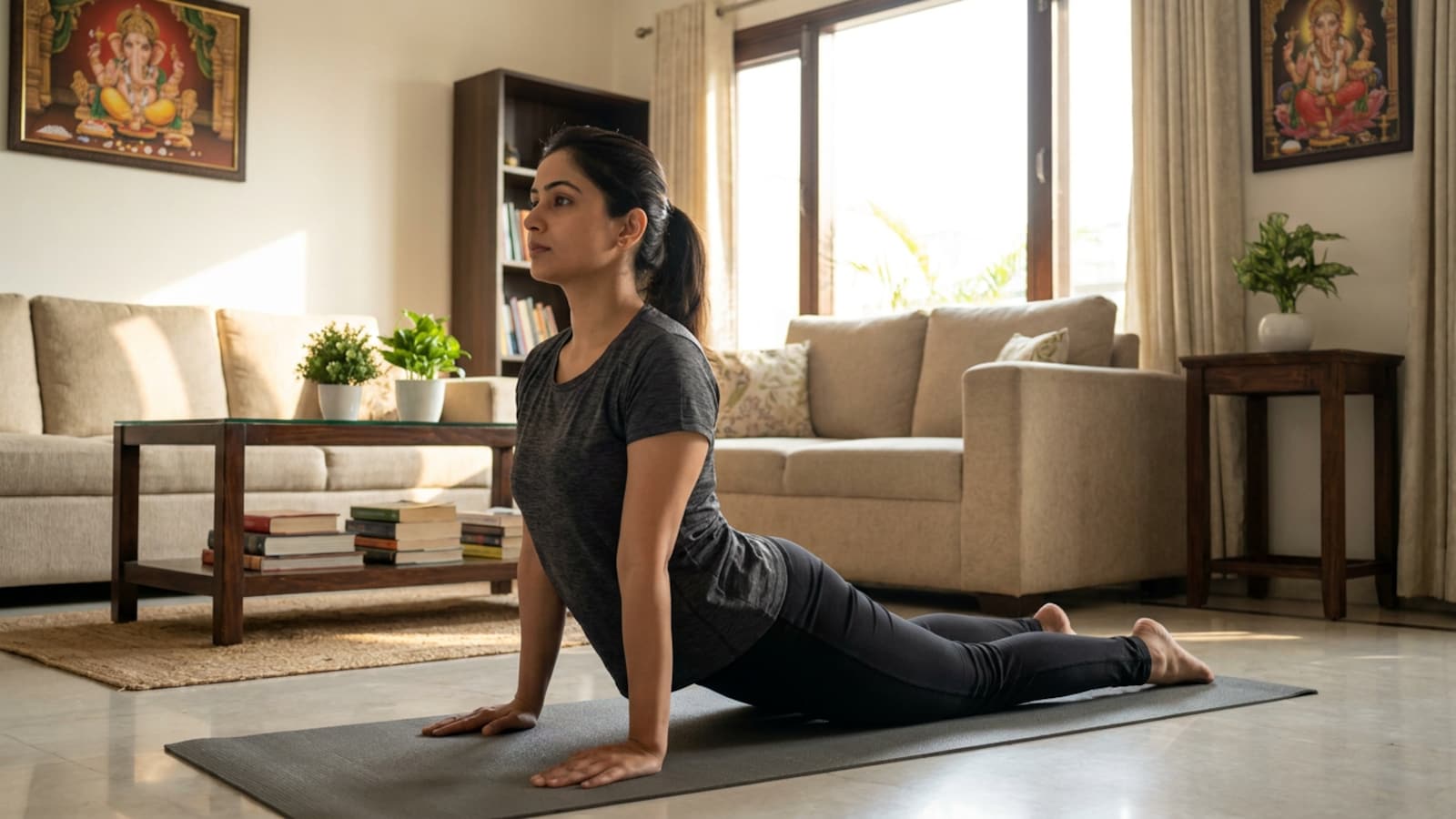
Eight Yoga Poses May Help Improve Spine Flexibility

Why Calf Muscles Are Called the Body’s Second Heart

Corn Silk Kidney Claims Face Scrutiny From Medical Experts

Daily Ultra-Processed Foods May Raise Heart Risks, Cardiologist Explains

Eight healthy office snacks to curb mid-afternoon hunger