1 hr ago
Doctors Explain How Nighttime Phone Use Affects Eyes
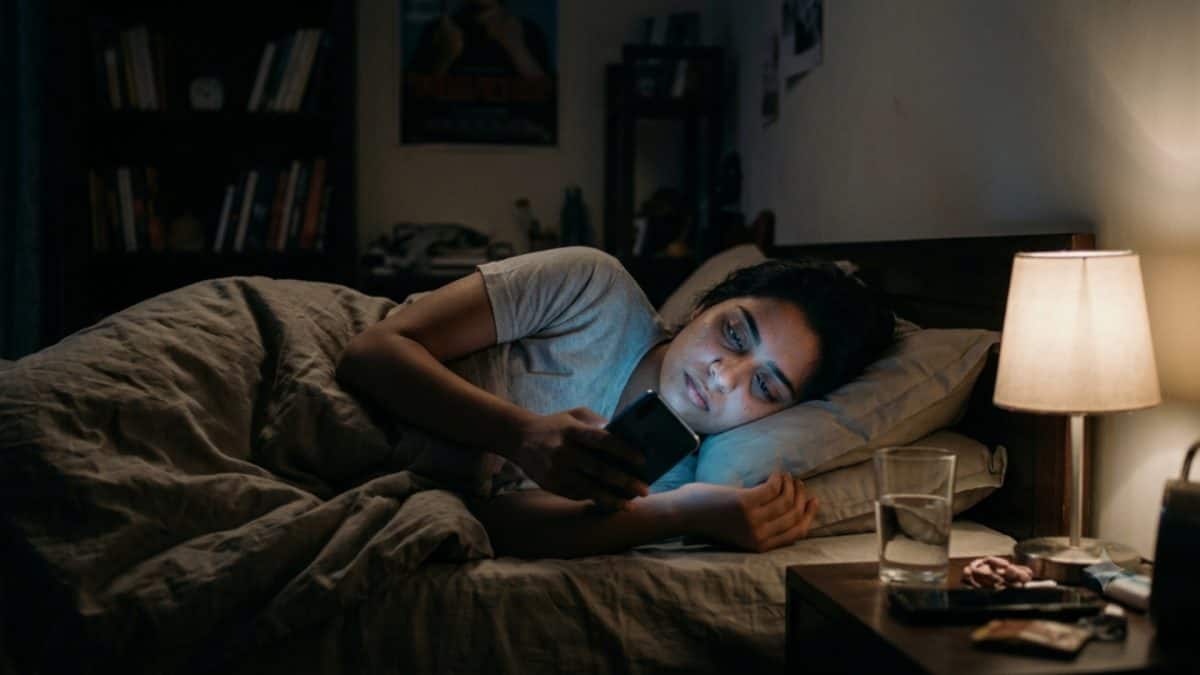
Looking at a bright phone in a dark room can make your eyes work harder.
You may blink less when you stare at the screen.
This can make your eyes feel dry, tired, red or blurry for a short time.
The bright screen can also feel uncomfortable because the room around you is dark.
Using a phone late at night may make it harder to sleep because evening light can affect melatonin.
Current guidance does not show that normal phone blue light permanently damages the retina.
In rare cases, one eye covered while looking at a bright screen can cause temporary difficulty seeing when the phone is turned off.
Using a small light, lowering brightness and taking breaks can help, while sudden or persistent vision problems should be checked by an eye doctor.

Using a bright phone in a dark room can contribute to digital eye strain because of prolonged near work and strong contrast.
Reduced blinking during extended screen use can destabilize the tear film, causing dryness, burning, redness, tiredness and temporary blurred vision.
Evening screen exposure may affect melatonin production and disrupt sleep patterns.
The American Academy of Ophthalmology says ordinary blue light from digital devices has not been shown to damage human eyes.
Soft ambient lighting, lower brightness, night mode, regular breaks and the 20-20-20 rule may make nighttime phone use easier on the eyes.
- Who
- Ophthalmologists, including Dr Bhavya Reddy and Dr Mandeep Singh Basu, explain the effects of nighttime smartphone use.
- What
- The article examines digital eye strain, dryness, sleep disruption, blue light and temporary smartphone blindness linked to using a phone in darkness.
- Where
- In dark or dimly lit rooms, including while using a phone in bed.
- When
- During prolonged smartphone use at night, especially before bedtime.
- Why
- A bright screen creates strong contrast, prolonged close-up viewing reduces blinking, and evening light may affect sleep-related melatonin production.
Key facts
- Main eye effects
- Dryness, burning, redness, grittiness, tiredness, headaches and temporary blurred vision may occur after prolonged use.
- Blue light evidence
- The American Academy of Ophthalmology says there is no scientific evidence that ordinary blue light from digital devices damages human eyes.
- Sleep effect
- Evening screen exposure may suppress melatonin and disrupt sleep patterns.
- Temporary smartphone blindness
- An uncommon, temporary visual disturbance may occur when one eye is exposed to the screen while the other is covered.
- Recommended lighting
- Use soft ambient lighting instead of viewing a bright phone in complete darkness.
- Recommended break
- The 20-20-20 rule suggests looking at something about 20 feet away for 20 seconds every 20 minutes.
- Warning signs
- Sudden vision loss, persistent discomfort, blurry vision, flashes or floaters should be assessed by an ophthalmologist.
Quotes
Dr Bhavya Reddy
Consultant ophthalmologist at Aster Whitefield Hospital
“Looking at something that is around 20 feet away after every 20 minutes for 20 seconds is a good method for reducing eye strains from using screens.”
 firstpost.com
“Sudden vision loss should never be ignored, as there are many serious eye conditions that have similar symptoms.”
firstpost.com
Sources
Related news
Computer Vision Syndrome: Symptoms, Causes and Simple Remedies
Simple Ways to Cut Screen Time Before Bed

Sleeping With Lights On May Affect Cardiovascular Health

Andrew Huberman Shares Eye Trick for Falling Asleep

Short Study Breaks May Protect Health and Improve Focus
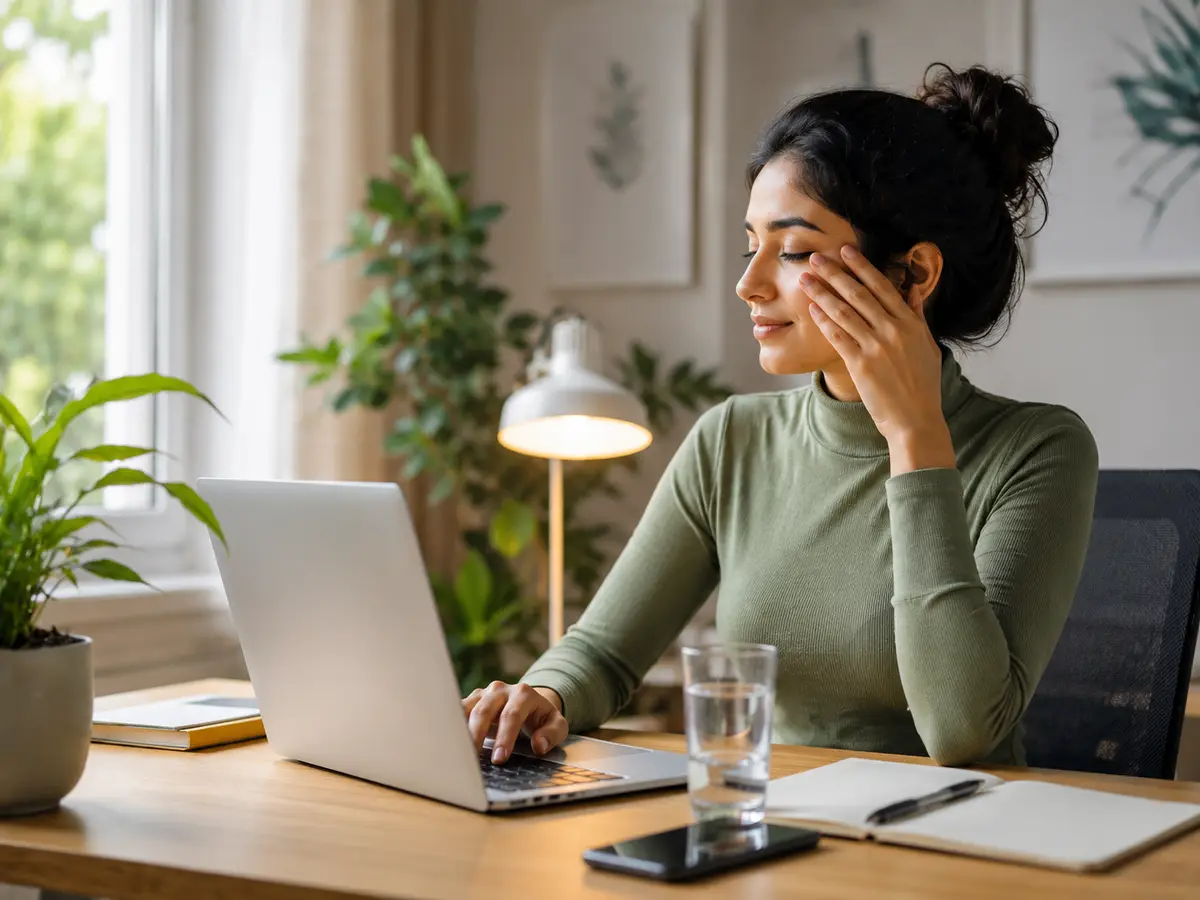
Simple Ways to Keep Eyes Healthy During Screen Use
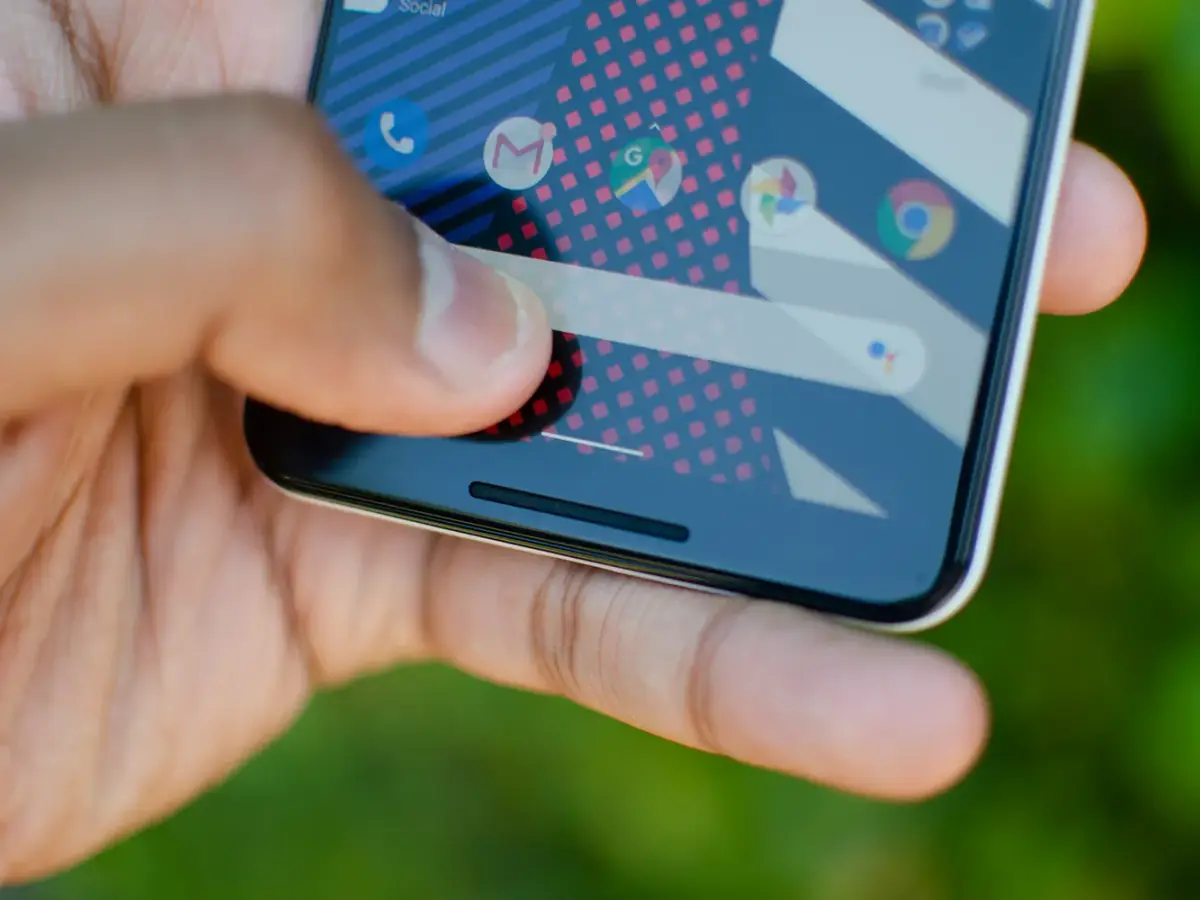
Why Phone Screens Leave Your Eyes Feeling Dry