2 hrs ago
Why Calf Muscles Are Called the Body’s Second Heart
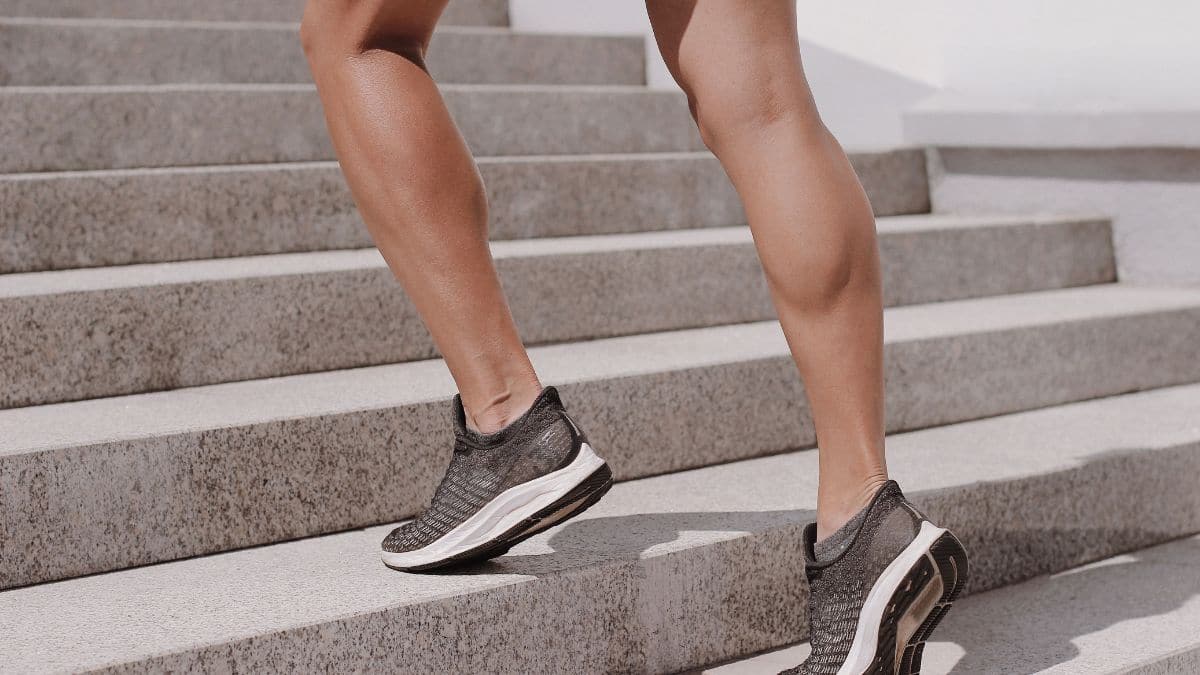
Your heart pumps blood around your body, but your calf muscles also help move blood upward from your legs.
They do this by squeezing nearby veins when you walk or move your ankles.
Small valves help keep the blood from flowing backward.
Sitting still for a long time can make blood collect in your legs.
This may make your legs feel heavy or swollen.
Walking and taking movement breaks help keep the calf muscles working.
You can also gently raise and lower your heels or toes.
Sudden pain or swelling in one leg should be checked by a doctor.

Calf muscles help push blood from the legs back toward the heart against gravity.
Tiny valves in the veins help keep returning blood moving in the correct direction.
Remaining still for long periods can reduce calf-pump activity and contribute to leg swelling or discomfort.
A small trial found six months of intensive exercise improved calf-pump strength and function in 31 patients with chronic venous insufficiency.
Walking, heel raises, toe raises, and regular breaks can activate the calf muscles, but sudden or persistent swelling requires medical attention.
- Who
- Dr Ashish Kumar, Consultant Cardiology at Amrita Hospital, Faridabad, explains the role of the calf muscles.
- What
- Calf muscles are described as a “second heart” because they help return blood from the legs toward the heart.
- Where
- The mechanism involves the veins and calf muscles in the legs.
- When
- Why
- Repeated calf contractions help push blood upward against gravity, while inactivity can reduce this pumping action.
Key facts
- Second heart
- The calf muscles are sometimes called the body’s “second heart.”
- Main function
- They squeeze leg veins during movement to help push blood back toward the heart.
- Venous valves
- Tiny valves help keep blood flowing in the correct direction.
- Research
- A randomized trial involving 31 patients with chronic venous insufficiency found improved calf-pump strength and function after six months of intensive exercise.
- Recommended activity
- Adults should get at least 150 minutes of moderate aerobic exercise weekly and muscle-strengthening activity on two days.
- Suggested movements
- Walking, taking movement breaks, heel raises, and toe raises can activate the calf muscles.
- Medical warning
- Persistent edema needs investigation; sudden pain or swelling in one limb should be assessed by a doctor.
Quotes
Dr Ashish Kumar
Consultant cardiologist at Amrita Hospital, Faridabad
“You don’t need fancy equipment to work these muscles. Walk during the day Get up in between jobs. While sitting, raise your heels, lower them and then raise your toes. Stand up and do heel lifts with a firm support. Lift gently and lower gently. Don’t power through pain.”
 firstpost.com
“the calf muscles squeeze the veins in the legs at each step. This is a shot of blood shooting up. It is kept flowing in the right direction by tiny valves. This is why the calves are sometimes referred to as our second heart.”
firstpost.com
Sources
Related news
Your Lymphatic System: Movement, Hydration And Healthy Habits Matter
World Physiotherapy Day 2026 Highlights Seven Heart-Healthy Exercises

Temple Signal May Track Brain Blood Flow Beyond Heart Rate

Vibration Plates May Ease Swollen Feet, But Need Caution

Why Your Heart May Race After A Long Flight
Running or Squats: Which Better Supports Heart Health?

Corn Silk Kidney Claims Face Scrutiny From Medical Experts

Daily Ultra-Processed Foods May Raise Heart Risks, Cardiologist Explains

Eight healthy office snacks to curb mid-afternoon hunger

How to Eat Out While Staying on a Calorie Deficit