

57 mins ago
Xi Jinping Signals Regional Security Shift During Egypt Visit
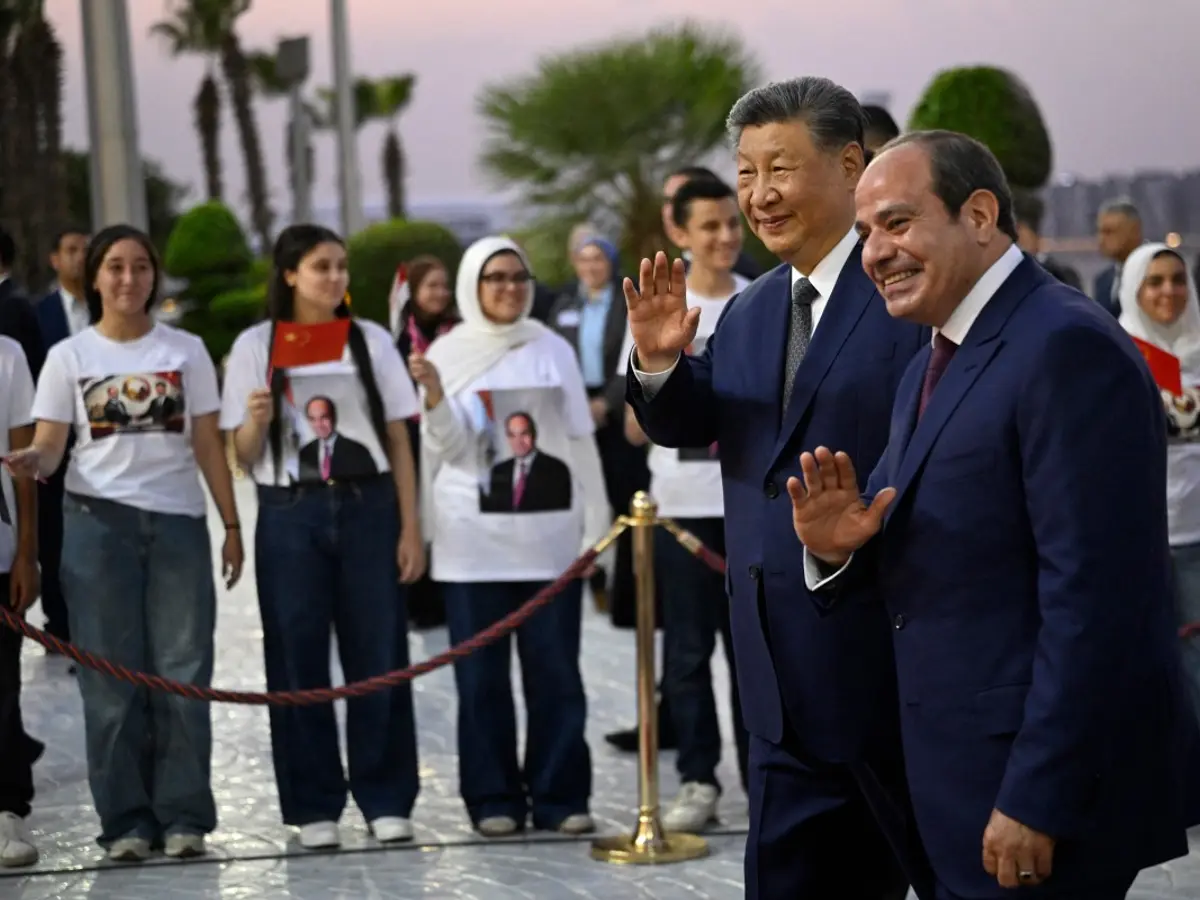
Xi Jinping, China’s president, visited Egypt for the first time in ten years.
Egypt is an important military partner of the United States.
Xi said countries in West Asia should manage their own security instead of relying too heavily on outside powers.
He also said China could help protect important shipping routes.
This message came while Iran’s attacks and the wider regional conflict were continuing.
Some United States partners were worried that American forces had not protected them enough.
China has strong economic ties with Iran and wants important sea routes to remain open.
China and Egypt also agreed to expand Chinese investment near the Suez Canal.
The canal carries a large share of global trade.

Chinese President Xi Jinping visited Egypt, receiving a ceremonial welcome from President Abdel Fattah el-Sisi.
Xi urged West Asian countries to remain masters of their own affairs and oppose external interference.
He supported exploring a new regional security architecture and offered Chinese cooperation on shipping-lane security and development.
The visit came as regional countries formed new maritime and defense arrangements amid concerns about United States protection.
China and Egypt signed an agreement expanding Beijing’s presence in the Suez Canal Economic Zone, where Chinese investment has reached about $4 billion.
- Who
- Chinese President Xi Jinping and Egyptian President Abdel Fattah el-Sisi were the principal leaders involved.
- What
- Xi visited Egypt, advocated greater regional control over West Asian security, and announced expanded China-Egypt cooperation.
- Where
- Cairo, Egypt, including the presidential palace and the Suez Canal Economic Zone.
- When
- Xi arrived in Cairo on Tuesday; the articles describe this as his first West Asia visit in four years and first Egypt visit in ten years.
- Why
- The visit addressed regional security, shipping-lane protection, development cooperation, and China’s expanding role in West Asia.
Regional Self-Reliance
Existing United States Security Role
Who should manage regional security?
Regional Self-Reliance
Xi called on West Asian nations to remain masters of their own affairs, oppose external interference, and consider creating a new regional security architecture.
Existing United States Security Role
The existing framework includes United States military installations and security partnerships, including Egypt’s defense relationship with Washington.
Protection of shipping and allies
Regional Self-Reliance
China said it was ready to work with regional countries to protect international shipping lanes and support development cooperation.
Existing United States Security Role
The report says some United States allies were dissatisfied with the protection they received and concerned about dwindling interceptor-missile stocks, while the United States remains a major regional security actor.
Key facts
- Egyptian military aid
- Egypt receives about $1.3 billion annually in military aid from the United States.
- China’s Iran trade
- China purchases roughly 90% of Iran’s crude oil, according to the report.
- Regional maritime alliance
- Saudi Arabia and 13 other countries formed a maritime defense alliance in July.
- Mecca defense agreement
- Pakistan, Türkiye, and Saudi Arabia signed an agreement in August treating an attack on one as an attack on all.
- Suez Canal investment
- Chinese investment in the Suez Canal Economic Zone has reached about $4 billion.
- Suez Canal trade
- The Suez Canal handles approximately 12% to 15% of global trade.
- Earlier China mediation
- China brokered a 2023 agreement that restored diplomatic relations between Saudi Arabia and Iran.
Sources
Related news
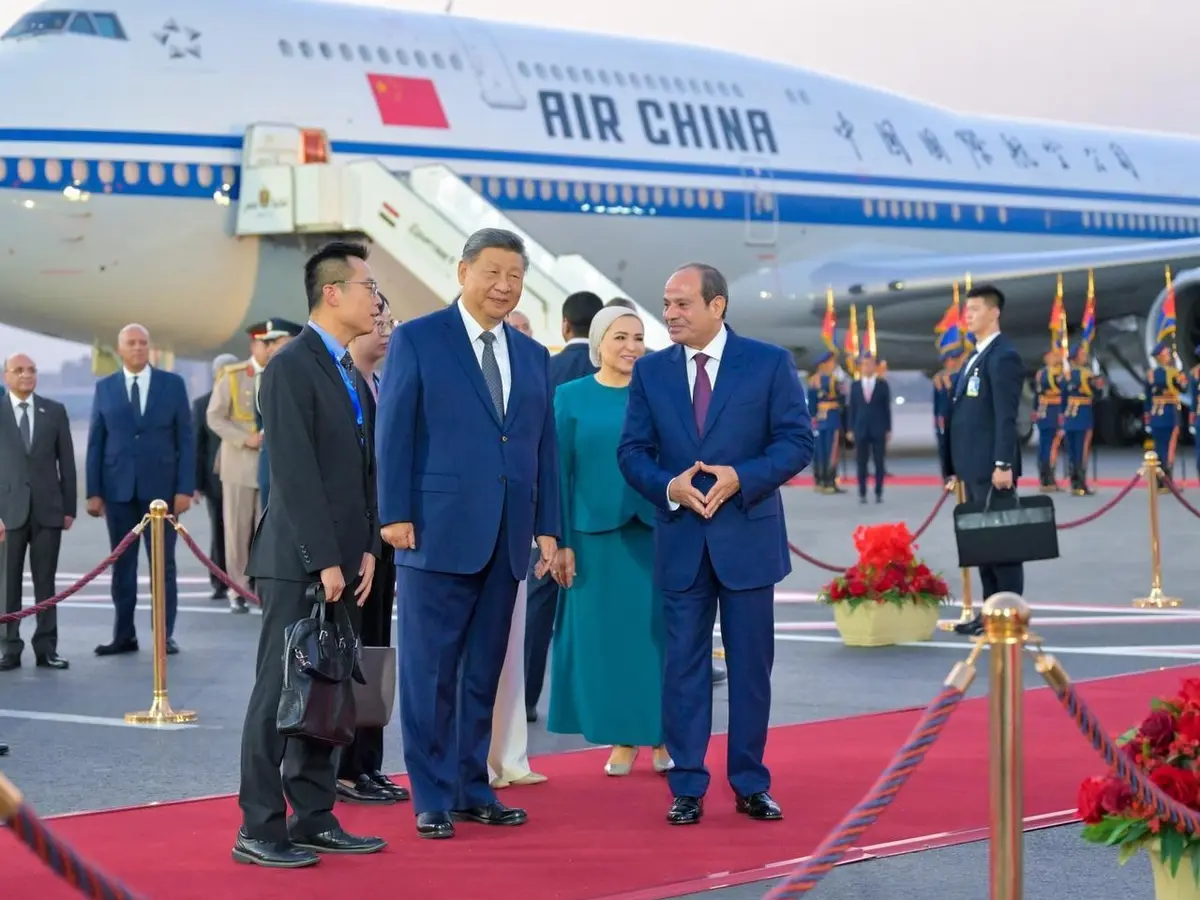
Xi Urges New Middle East Security Framework During Egypt Visit

Xi Urges New Middle East Security Order During Egypt Visit
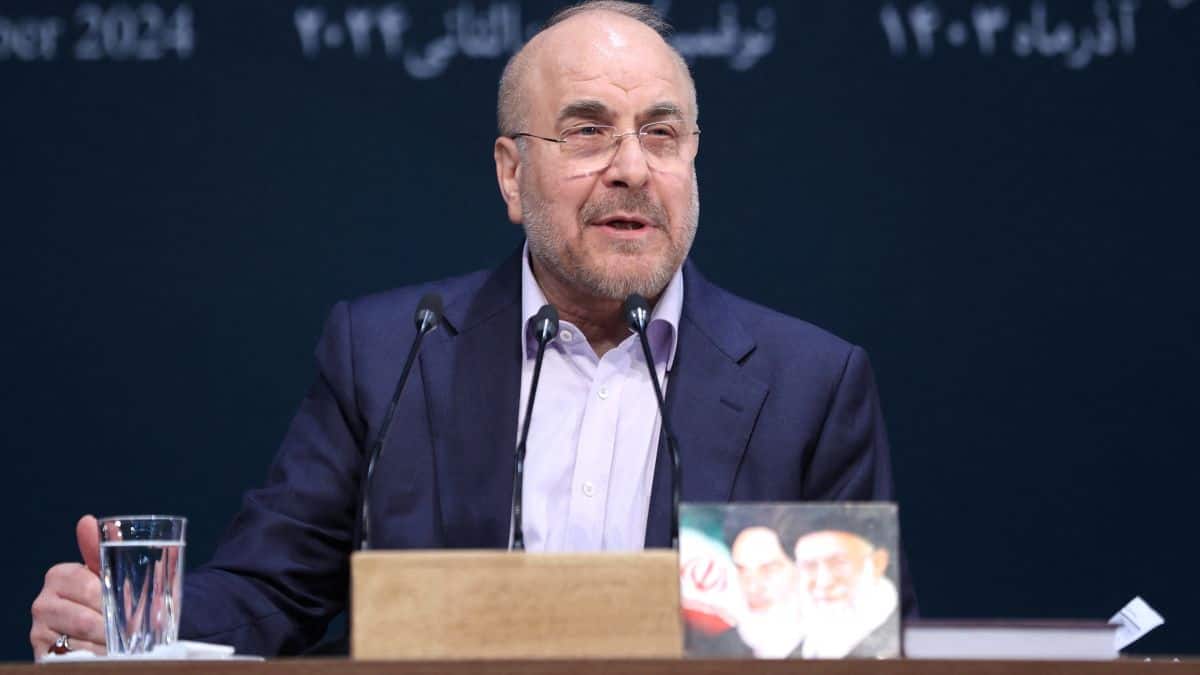
Iran Says Neighbours Seek Security Ties Amid US Pressure
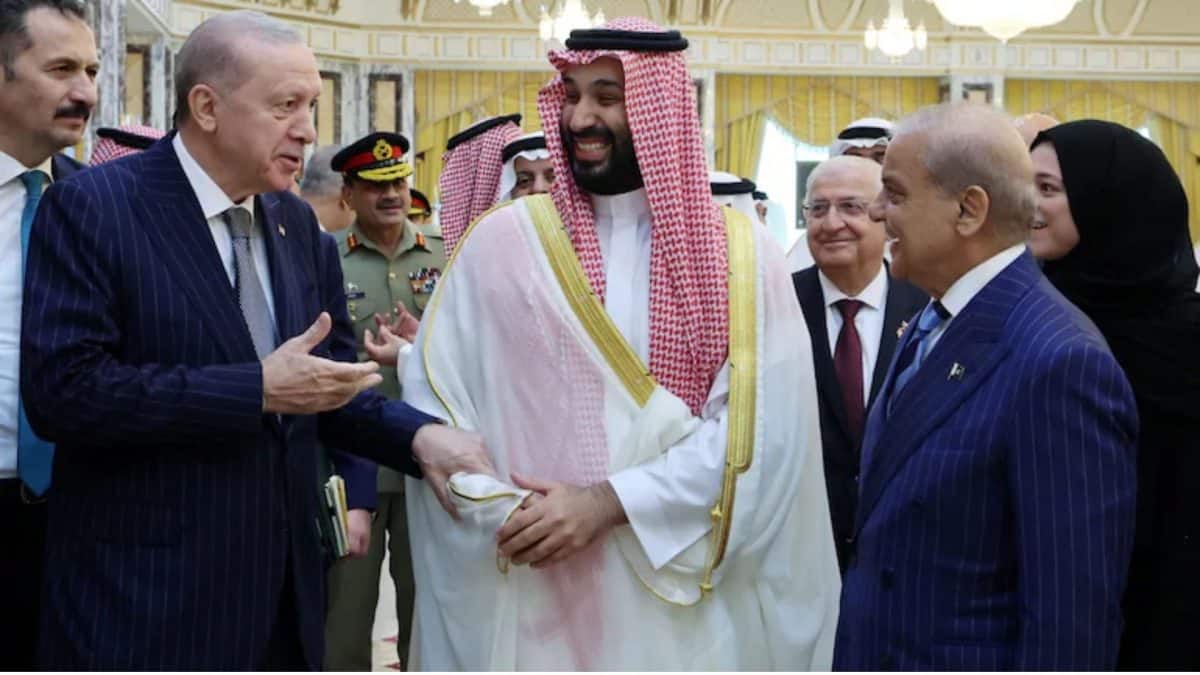
US faces diminished West Asia role after Pakistan-Turkiye-Saudi pact

Iran-US Conflict Creates New Strategic Challenges for China, Report Says

Clinton Says India, China Could Help Resolve West Asia Conflict
Trump Questions Future United States Support for UK in Falklands
India’s 7.8% Growth Sparks Debate Over GDP Credibility
Netanyahu Says Iran Regime Overthrow Is Within Reach
Trump’s Hormuz Strategy Seeks Alternative Energy Routes
