3 weeks ago
RBI Governor Says Payment Costs Must Be Borne by Someone
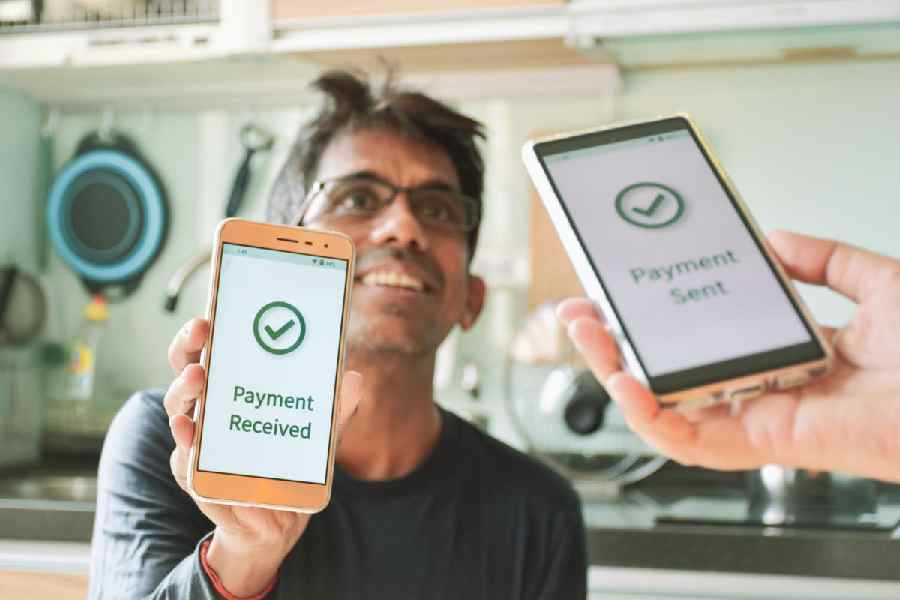
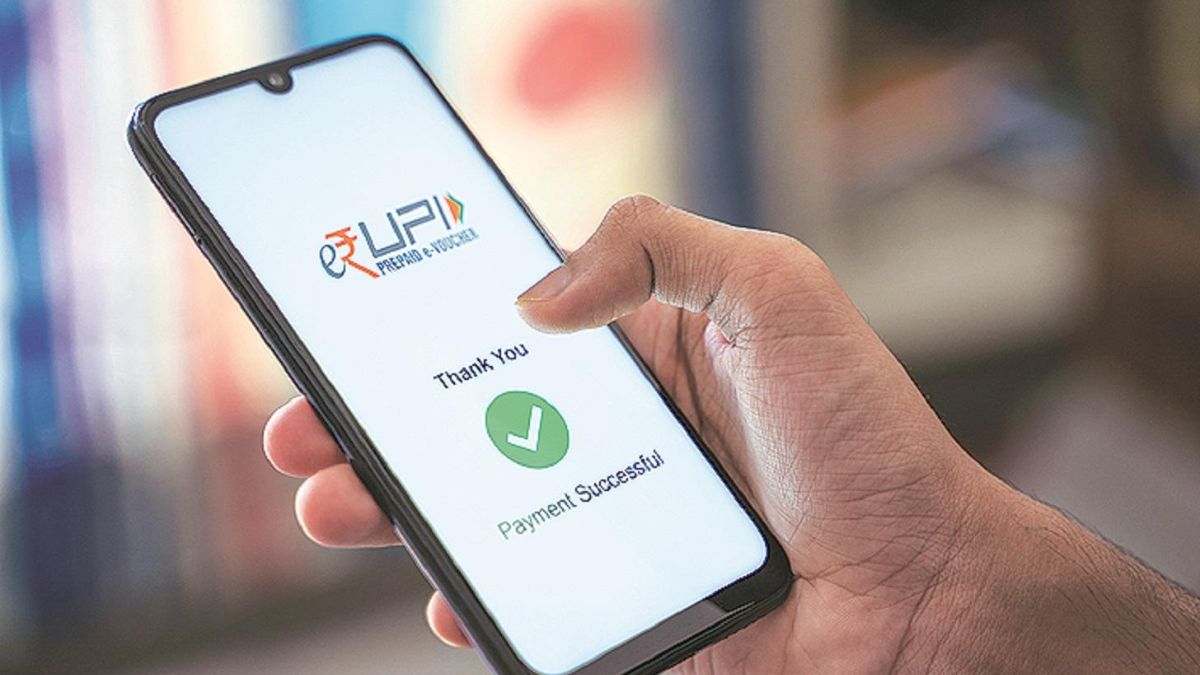
People in India use their phones to pay for things with a system called UPI.
Right now, using it usually does not cost extra money.
But there is a debate about whether paying with UPI might start costing money.
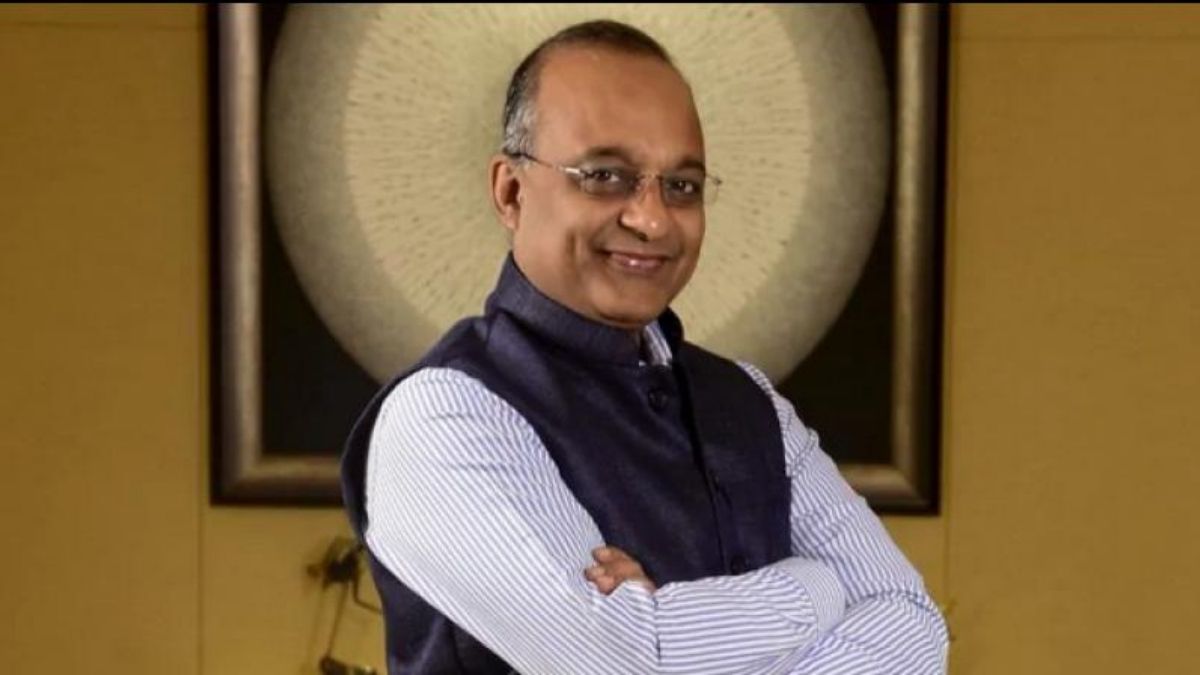
The person in charge of India's central bank, the Reserve Bank of India, is called Sanjay Malhotra.
He said it is too early to say what will happen next.
The government is still working on changes to a law, called the Taxation and Other Laws (Amendment) Bill, 2026.
He said someone always has to pay for payment systems to work.
That could be the government, shops and businesses, or the people using the service.
He wants the payment system to keep becoming stronger and more efficient.
For now, everyone is waiting to see what the government decides.

RBI Governor Sanjay Malhotra said it was premature to comment on possible UPI charges while the government is still working on the proposed amendments to the law.
Malhotra said the costs of digital payment infrastructure 'have to be paid by someone' and should strengthen public infrastructure.
Finance Minister Nirmala Sitharaman introduced the Taxation and Other Laws (Amendment) Bill, 2026 in Parliament a day earlier.
The proposal has fuelled speculation that the Merchant Discount Rate (MDR) could return on select UPI and RuPay debit card transactions.
The governor noted consumers already pay for payment infrastructure in some form, with costs possibly borne by the government, businesses, or the wider economy.
- Who
- RBI Governor Sanjay Malhotra and Finance Minister Nirmala Sitharaman
- What
- Debate over possible charges on UPI and other digital payments, sparked by the introduction of the Taxation and Other Laws (Amendment) Bill, 2026
- Where
- India (Parliament and the Reserve Bank of India)
- When
- Wednesday, a day after the bill was introduced in Parliament
- Why
- The cost of running digital payment infrastructure must be paid by someone, fuelling speculation that the Merchant Discount Rate could return
Keep Digital Payments Free for Users
Charges Needed to Fund Infrastructure
Who should pay for UPI payment costs
Keep Digital Payments Free for Users
Consumers should not face direct charges on UPI and RuPay transactions, keeping digital payments affordable and widely used.
Charges Needed to Fund Infrastructure
The costs of payment infrastructure must be paid by someone, and charging users or businesses is inevitable to keep the system strong and efficient, as RBI Governor Malhotra noted.
Key facts
- RBI Governor
- Sanjay Malhotra
- Finance Minister
- Nirmala Sitharaman
- Legislation
- Taxation and Other Laws (Amendment) Bill, 2026
- Governor's Position
- Premature to comment; costs must be paid by someone
- Market Speculation
- Merchant Discount Rate (MDR) could return on select UPI and RuPay debit card transactions
- Potential Cost Bearers
- Government, businesses, or the wider economy
- Key Services Affected
- UPI and RuPay debit card payments
Quotes

Sanjay Malhotra
Governor of the Reserve Bank of India
“"Right now the government is still carrying out the amendment. The costs have to be paid by someone. We all want that this public infrastructure should continue to strengthen and become more efficient. Let’s wait and watch..."”
 telegraphindia.com
Sources
Related news
RBI Governor: UPI Merchant Fee Proposal Premature, Someone Must Pay
Sitharaman clarifies UPI charges apply to merchants, not customers
FM Sitharaman rejects UPI charge claims, accuses Ramesh of canard

Lok Sabha passes bill allowing UPI merchant discount rate charges
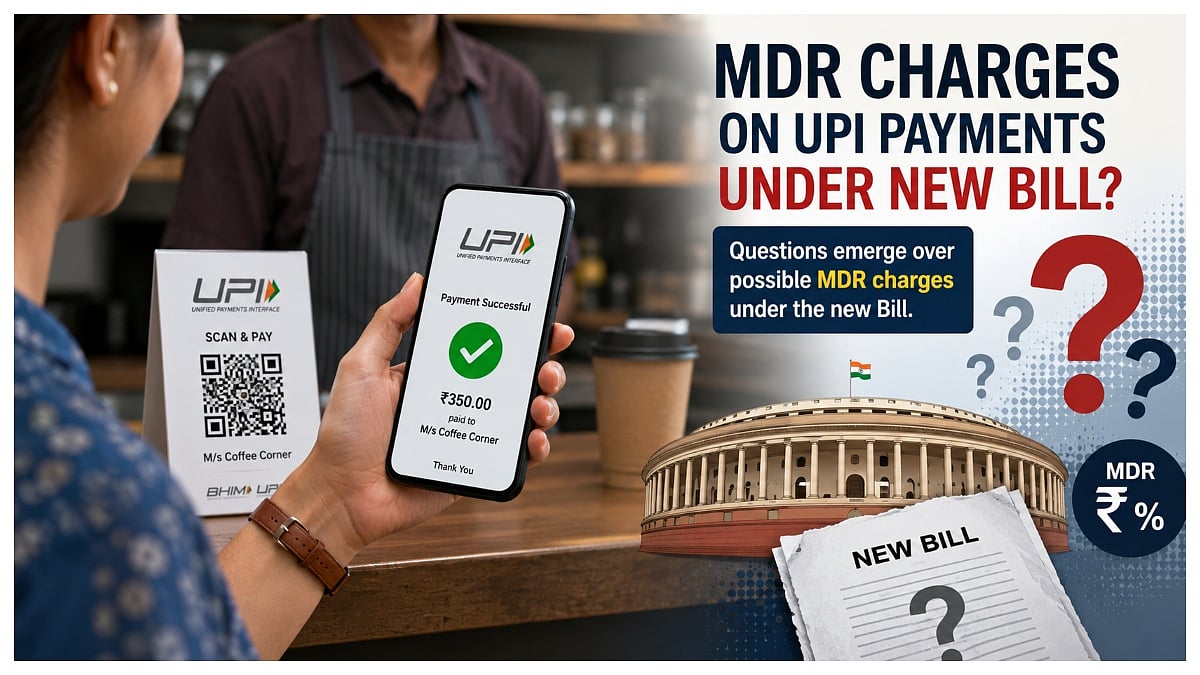
UPI Payments Remain Free as New Bill Explains MDR

UPI remains free for users, some merchants face nominal charges

RBI Governor Meets US Fed Chief Kevin Warsh at G20

RBI Forex Swap Draws $136.37 Billion, Led by FCNR(B)

Indian Bond Yields Near 7% as Rate Hike Bets Rise

India Hosts BRICS 2026 Amid US-Iran War Tensions

Finance Ministry Flags Global Yield and Inflation Risks for India