0 months ago
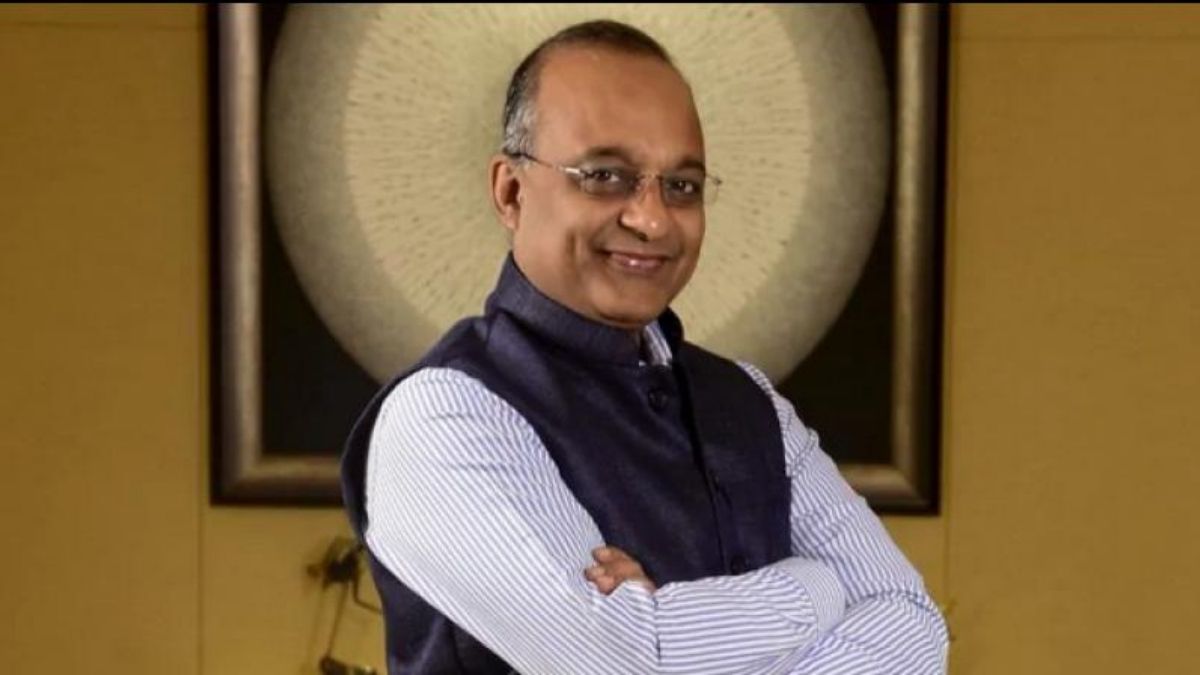
RBI Governor: UPI Merchant Fee Proposal Premature, Someone Must Pay
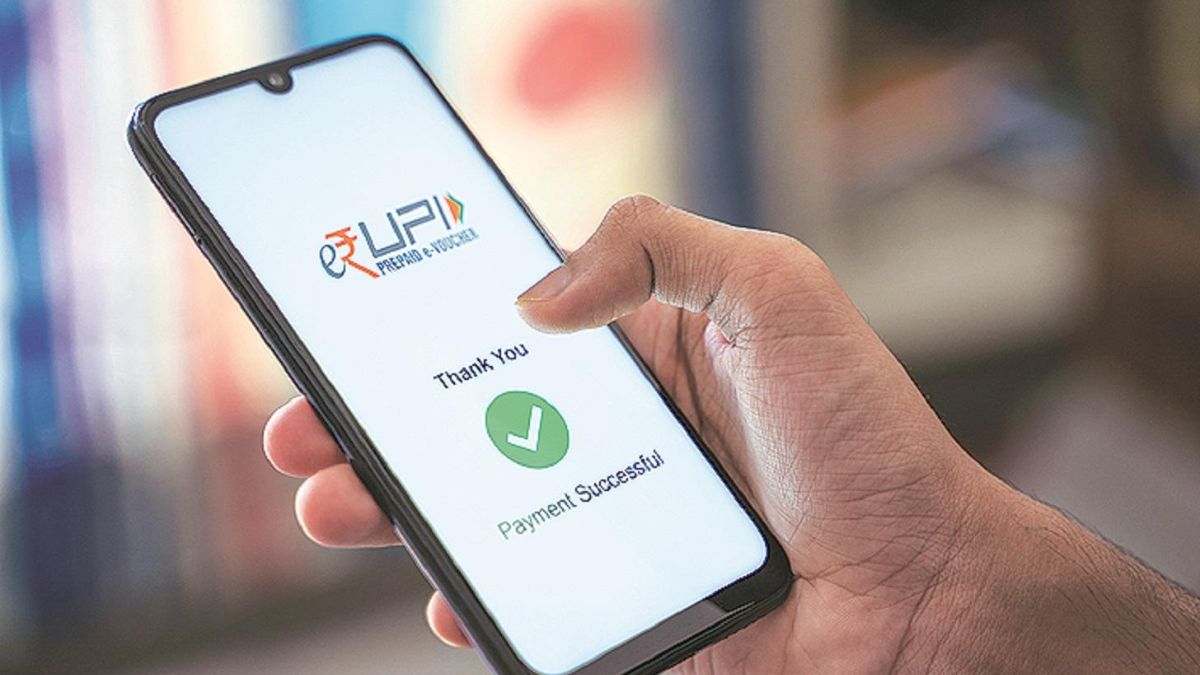
UPI is a way people in India pay for things using their phones, and right now it is free for everyone.
The person in charge of India's central bank said it is too early to decide about charging stores a small fee for very big payments.
He explained that someone has to pay to keep the payment system working.
He said ordinary people probably will not be the ones who pay this cost.
The government wants to change a law to make such fees possible in the future.
The fee would only apply to high-value payments above ₹2,000, not small everyday purchases.
Most small payments, like buying milk, vegetables or groceries, would stay free.
Banks and payment companies have been asking for the fee, while the government has kept payments free so more people can use digital money.
Nothing is decided yet, so people can keep paying with their phones just as they do now.

RBI Governor Sanjay Malhotra called the merchant discount rate (MDR) proposal for UPI transactions "very premature" and urged a wait-and-watch approach at a post-policy press conference in Mumbai.
He said someone must pay for the sustainability of public digital payment infrastructure, either through taxes or an MDR-based "user pays" model, though the cost may not fall on general consumers.
The Finance Ministry proposed amending Section 10A of the Payment and Settlement Systems Act to allow future merchant charges on high-value UPI transactions above ₹2,000.
Government officials said over 90% of transactions, including daily purchases of milk, vegetables and groceries, would not attract an MDR charge and regular consumer UPI payments would remain free.
Deputy Governor Rohit Jain said use of the RBI's e-rupee is growing and lenders are being encouraged to adopt the Unified Lending Interface (ULI) to speed up loan disbursals; 12 states have digitised their land records.
- Who
- RBI Governor Sanjay Malhotra, Deputy Governor Rohit Jain, and the Finance Ministry, which proposed the legislative amendment.
- What
- A proposal to amend Section 10A of the Payment and Settlement Systems Act to allow future merchant discount rates on high-value UPI transactions above ₹2,000 while keeping regular consumer UPI payments free.
- Where
- Mumbai, India.
- When
- Wednesday, at a post-policy press conference in Mumbai; the Governor had also commented on the issue last month and the Bill was introduced in the Lok Sabha.
- Why
- To ensure the sustainability of public digital payment infrastructure, whose costs have to be covered by someone, either through taxes or a user-pays model.
Keeping UPI Free for Consumers
Funding the Cost of Digital Infrastructure
Who should pay for UPI's costs
Keeping UPI Free for Consumers
Regular consumer UPI payments should remain free, and over 90% of everyday transactions such as purchases of milk, vegetables and groceries must not attract an MDR charge.
Funding the Cost of Digital Infrastructure
Someone has to pay for the sustainability of public digital payment infrastructure, so flexibility for merchant charges is being explored, at least for high-value transactions above ₹2,000.
Timing of any merchant charges
Keeping UPI Free for Consumers
The MDR proposal is very premature and there is no formal framework to charge everyday users.
Funding the Cost of Digital Infrastructure
The government is amending the Payment and Settlement Systems Act now to create future flexibility for notifying which digital payment modes could attract charges.
Key facts
- MDR proposal status
- Very premature; no formal framework or proposal to charge everyday users
- MDR threshold (proposed)
- High-value UPI transactions above ₹2,000
- Exempt transactions
- Over 90% of transactions, including daily purchases of milk, vegetables and groceries
- Regular consumer UPI payments
- Would remain free
- Legal change
- Amendment to Section 10A of the Payment and Settlement Systems Act, removing rigid zero-charge mandates
- Bill venue
- Introduced in the Lok Sabha
- Currently protected modes
- UPI and RuPay debit cards cannot be charged under present law
- Related RBI initiatives
- e-rupee digital currency and Unified Lending Interface (ULI); 12 states have digitised land records
Quotes
RBI Governor Sanjay Malhotra
Governor of the Reserve Bank of India
“"The choices before us are simple: either the general public has to pay for it through taxes, or we have to levy the merchant discount rate (MDR), following the 'user pays' model."”
 rediff.com
“"It is very premature to say something on it, let's wait and watch for the development, ultimately it is the consumers who pay but it may not be the general consumers."”
 thehansindia.com
Sources

Related news
RBI Governor Says Payment Costs Must Be Borne by Someone
Lok Sabha Passes Bill Enabling Future UPI MDR, Sitharaman Clarifies

Lok Sabha passes bill allowing UPI merchant discount rate charges

RBI Governor Says UPI Merchant Discount Rate Talks Are Premature
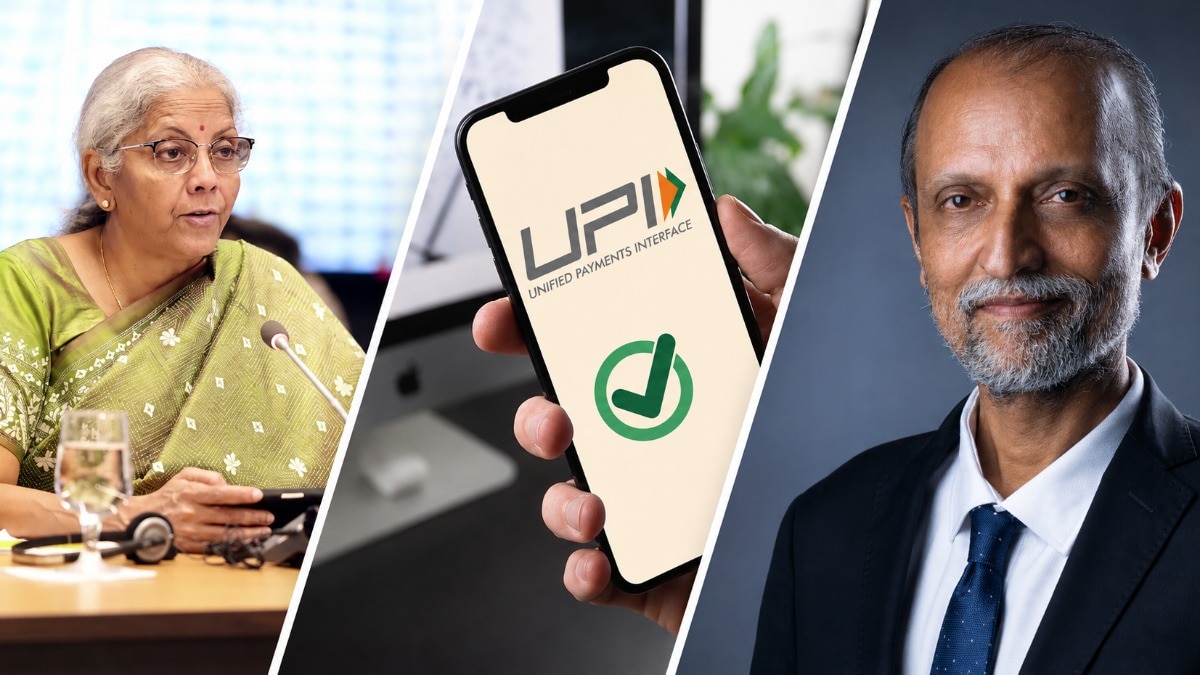
Economist challenges claim UPI merchant fee won't affect consumers
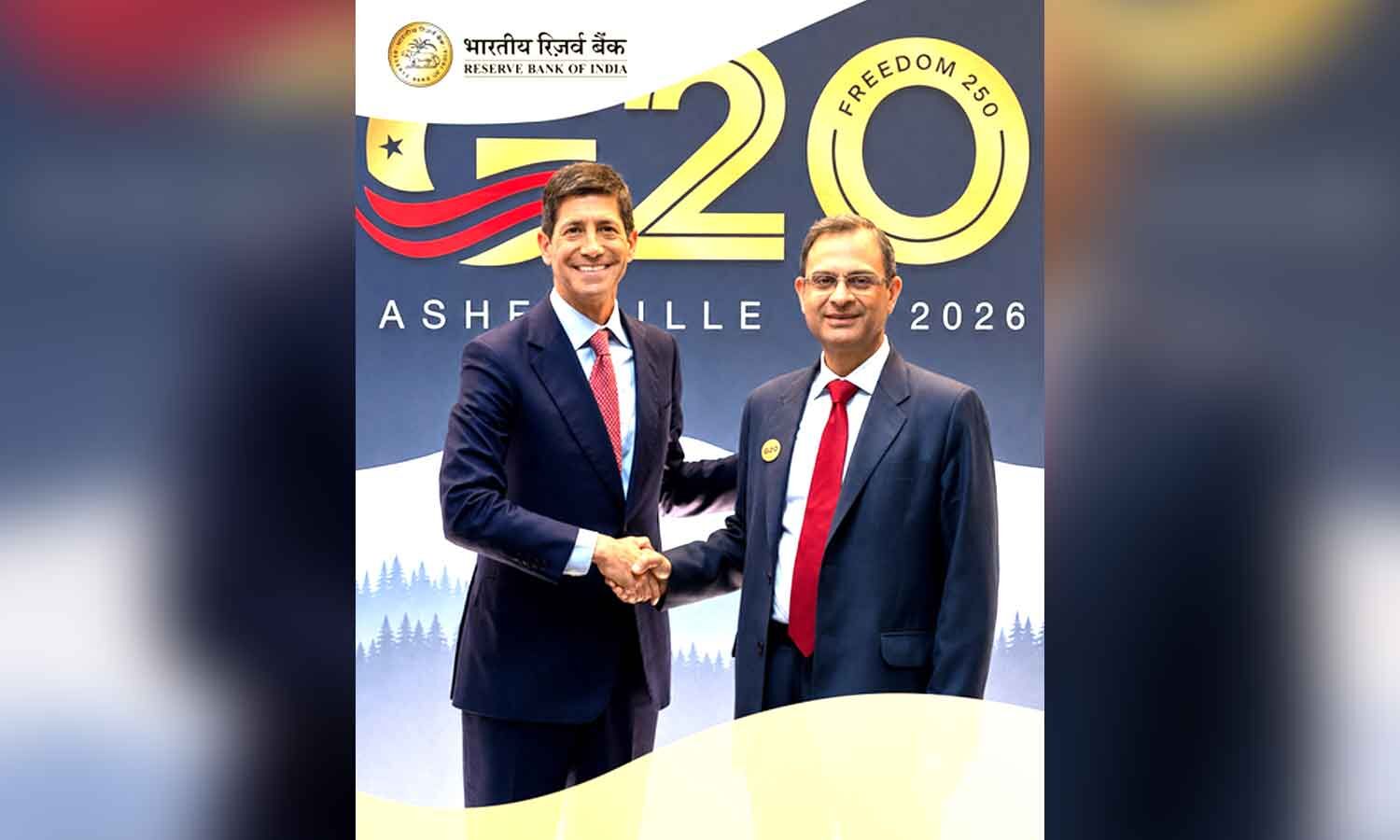
RBI Governor Meets US Fed Chief Kevin Warsh at G20

RBI Forex Swap Draws $136.37 Billion, Led by FCNR(B)

Indian Bond Yields Near 7% as Rate Hike Bets Rise

India Hosts BRICS 2026 Amid US-Iran War Tensions

Finance Ministry Flags Global Yield and Inflation Risks for India