1 hr ago
Experts Explain How Robotic Surgery Can Speed Recovery
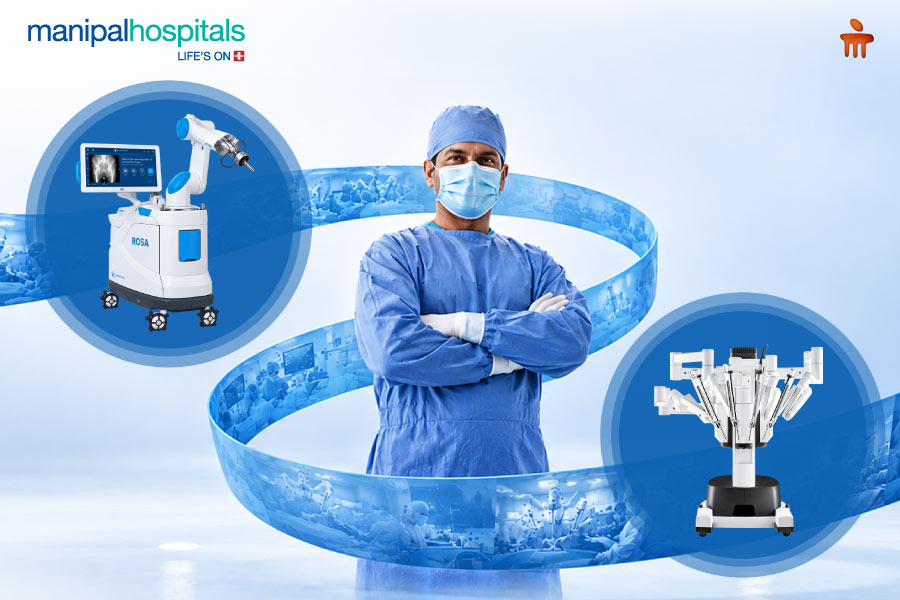
Robotic surgery is still performed by a doctor, not by a robot alone.
The robot is a tool that helps the surgeon.
It can allow doctors to make smaller cuts than in some conventional operations.
Smaller cuts may mean less blood loss and less pain.
The system provides a detailed three-dimensional view of the area being treated.
This can help surgeons work more accurately.
In cancer surgery, doctors may be able to focus more closely on affected tissue and protect nearby nerves.
In orthopaedic surgery, the technology can help with very precise cuts.
Patients may return home and resume normal activities sooner.

Robotic surgery uses a robot as a tool controlled by the surgeon.
Smaller incisions can reduce blood loss, pain and recovery time.
Three-dimensional visualisation helps surgeons operate more precisely around affected areas.
Cancer surgery may target affected tissue while helping protect surrounding nerves.
In orthopaedic procedures, robotics can assist with highly precise 1–2 mm cuts.
- Who
- Specialists from Manipal Hospital EM Bypass, including Dr Vikash Kapoor, Dr Abhay Kumar and Dr Sumanta Dey.
- What
- The specialists explained how robotic surgery assists surgeons and discussed its potential benefits in abdominal, cancer and orthopaedic procedures.
- Where
- The discussion involved specialists from Manipal Hospital EM Bypass.
- When
- The article does not specify when the interview took place.
- Why
- To explain how robotic technology can support surgical precision, reduce incision size and help patients recover sooner.
Key facts
- Who performs the operation
- The surgeon performs the operation; the robot acts as an assisting tool.
- Incisions
- Robotic surgery can significantly reduce incision size compared with some conventional abdominal surgery.
- Visualisation
- The technology provides advanced three-dimensional visualisation of the operative area.
- Potential benefits
- The article links robotic surgery with greater precision, less blood loss, reduced pain and faster discharge.
- Cancer surgery
- Robotic assistance may allow surgeons to target affected tissue more precisely and help protect surrounding nerves.
- Orthopaedic precision
- Robotics can assist with procedures requiring highly precise 1–2 mm angular cuts.
- Hospital
- The experts were from Manipal Hospital EM Bypass.
Sources
Related news

Robotic Technology Simplifies Complex Surgeries at Yashoda Hospitals

Robotic Joint Replacement Gains Momentum Across India

Technology Brings Precision and Personalisation to Orthopaedic Surgery

SRV Hospitals Launches Robotic-Assisted Joint Replacement Centre In Chembur
Indore Surgeon Performs 12 Remote Robotic Surgeries From France
Indian Surgeons Seek Insurance Coverage to Lower Robotic Surgery Costs

India’s Healthcare Expansion Masks a Persistent Public-System Deficit

Rajesh Sharma Denies Insect Bite Caused Hospitalisation on Fauzi Set

Acidity, Acid Reflux and GERD: Symptoms, Causes and Treatment
Manipal Hospital Launches Integrated 360-Degree Gut Care Department