6 days ago
Technology Brings Precision and Personalisation to Orthopaedic Surgery
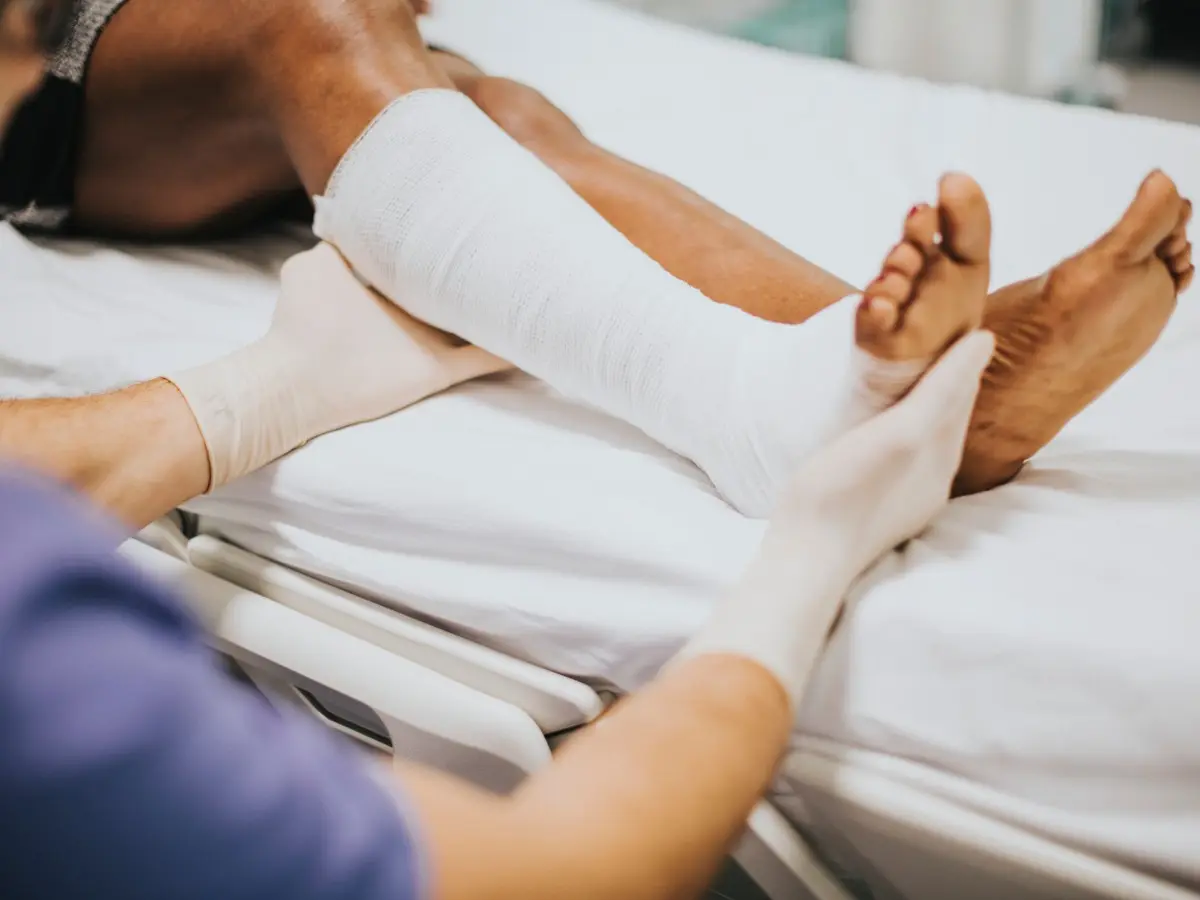
Technology is helping doctors perform orthopaedic operations more precisely.
Robots can help surgeons make accurate bone cuts during joint replacements.
Navigation tools show doctors useful information while an operation is happening.
3D printing can create implants and guides designed for one patient’s body.
Artificial intelligence can study medical images and help predict recovery.
Augmented reality is another technology being used in the field.
These tools do not replace the surgeon’s experience.
Instead, they support surgeons in helping patients recover and regain movement.

Robotic-assisted systems, 3D printing, augmented reality and artificial intelligence are reshaping orthopaedic surgery.
The Mako Robotic Arm helps surgeons perform joint replacements using exact bone cuts based on pre-planned 3D models.
Navigation systems provide real-time feedback to support implant alignment and positioning during procedures.
3D printing enables custom implants and patient-specific surgical guides based on individual bone structures.
Dr Sujit Narayan said technology supports surgeons in improving precision, recovery and patients’ return to daily activities.
- Who
- Orthopaedic surgeons, including Dr Sujit Narayan, are using technology to support patient care.
- What
- Technology is being used to improve planning, precision and recovery in orthopaedic surgery.
- Where
- When
- The changes have advanced particularly over the last decade.
- Why
- To tailor treatment, improve surgical precision, support implant positioning and help patients recover and regain function.
Key facts
- Main technologies
- Robotic-assisted systems, 3D printing, augmented reality and artificial intelligence
- Robotic assistance
- The Mako Robotic Arm supports exact bone cuts during joint replacements using pre-planned 3D models.
- Navigation systems
- They provide real-time feedback on implant alignment and positioning.
- 3D printing
- It enables custom implants and patient-specific surgical guides.
- Artificial intelligence
- AI is used to analyse imaging data, predict surgical outcomes and personalise recovery protocols.
- Precision claim
- The article says technology can deliver sub-millimetre precision.
- Expert quoted
- Dr Sujit Narayan, senior consultant orthopaedics, joint replacement and spine surgeon at Yatharth Super Speciality Hospitals.
Quotes
Dr Sujit Narayan
Senior Consultant Orthopaedics, Joint Replacement and Spine Surgeon at Yatharth Super Speciality Hospitals
“Technologies such as robotic-assisted surgery, advanced imaging, and digital surgical planning help us better understand each patient's anatomy and tailor treatment accordingly. While the surgeon's experience remains central to achieving good outcomes, these innovations provide valuable support in the operating room. Ultimately, the goal is simple - to help patients recover faster, regain function, and return to the activities that matter most to them with greater confidence.”
 wionews.com
Sources
Related news

Robotic Joint Replacement Gains Momentum Across India

Safdarjung Hospital Performs First Robot-Assisted Total Knee Replacement

SRV Hospitals Launches Robotic-Assisted Joint Replacement Centre In Chembur

Robotic Technology Simplifies Complex Surgeries at Yashoda Hospitals