2 hrs ago
India’s Healthcare Expansion Masks a Persistent Public-System Deficit
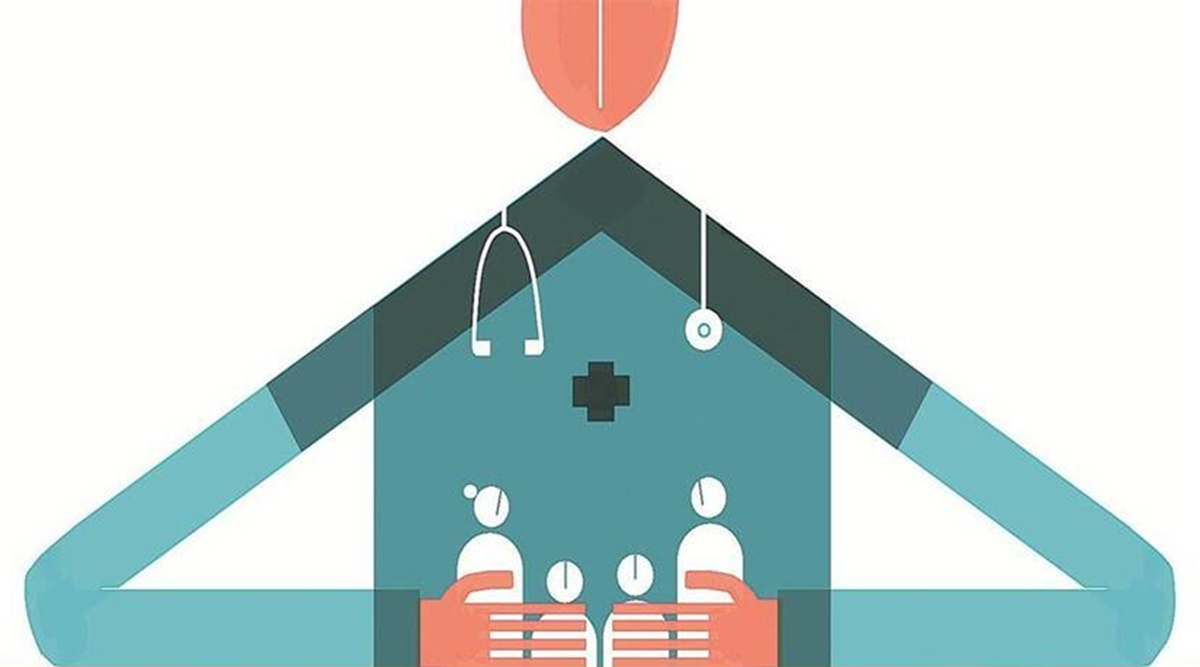
India has built more medical colleges, hospitals and insurance programmes in recent years.
But the country still does not spend enough public money on healthcare to meet its own target.
Many rural health centres do not have enough specialist doctors or even proper buildings.
Private hospitals provide much of the care, but they usually cost far more than government hospitals.
Insurance can help families pay bills, but it does not necessarily stop treatment prices from rising.
More than 40 crore people still lack complete financial protection for healthcare.
Investors are putting money into private hospitals and diagnostic businesses, but this may not always improve care in underserved areas.
The article argues that India needs a stronger public healthcare system so families are less financially vulnerable when someone becomes ill.

Government health expenditure was 1.43% of GDP in 2022–23, below the National Health Policy 2017 target of 2.5%.
India now has 818 medical colleges and 1,28,875 undergraduate medical seats, but rural community health centres still face specialist shortages of about 70–80%.
The Parliamentary Standing Committee reported 17,788 building-less sub-centres and continuing gaps in basic healthcare capacity.
More than 60% of hospitalisations and about 70% of outpatient care are provided by the private sector, where average hospitalisation costs are far higher.
More than 40 crore Indians remain outside comprehensive financial protection, while out-of-pocket spending represented 43.4% of total health expenditure in 2022–23.
- Who
- India’s government, public healthcare institutions, private healthcare providers, investors and patients are central to the discussion.
- What
- The article examines India’s healthcare expansion while highlighting inadequate public spending, uneven capacity, high private-sector costs and gaps in financial protection.
- Where
- Across India, particularly in rural community health centres and underserved districts.
- When
- The figures discussed include government spending in 2022–23, NSSO data cited for 2025, and the 2026 Lancet Commission report.
- Why
- The article argues that expanding medical education and insurance has not yet created an affordable, adequately distributed and sufficiently strong public healthcare system.
Public-System Priority
Private-Capital and Insurance Expansion
How to expand healthcare capacity
Public-System Priority
A stronger publicly financed and publicly provided system is needed to improve primary care, serve underserved districts and reduce families’ vulnerability.
Private-Capital and Insurance Expansion
Private capital, hospital chains and insurance programmes can add investment, expand access and help finance treatment when public capacity is limited.
Role of insurance
Public-System Priority
Insurance may pay medical bills without controlling treatment prices or addressing the underlying shortage of affordable public care.
Private-Capital and Insurance Expansion
Ayushman Bharat has helped millions of families obtain hospital care they might otherwise have been unable to afford.
Medical education growth
Public-System Priority
Increasing the number of medical colleges and seats does not solve shortages if doctors and infrastructure remain concentrated away from rural areas.
Private-Capital and Insurance Expansion
The expansion to 818 colleges and 1,28,875 undergraduate seats represents a major increase in training capacity, although distribution and regulation remain concerns.
Key facts
- Government health spending
- 1.43% of GDP in 2022–23
- National Health Policy target
- 2.5% of GDP
- Medical colleges
- 818
- Undergraduate medical seats
- 1,28,875
- Rural specialist shortage
- Approximately 70–80% at community health centres
- Out-of-pocket expenditure
- 43.4% of total health expenditure in 2022–23
- People outside comprehensive protection
- More than 40 crore Indians
Sources
Related news
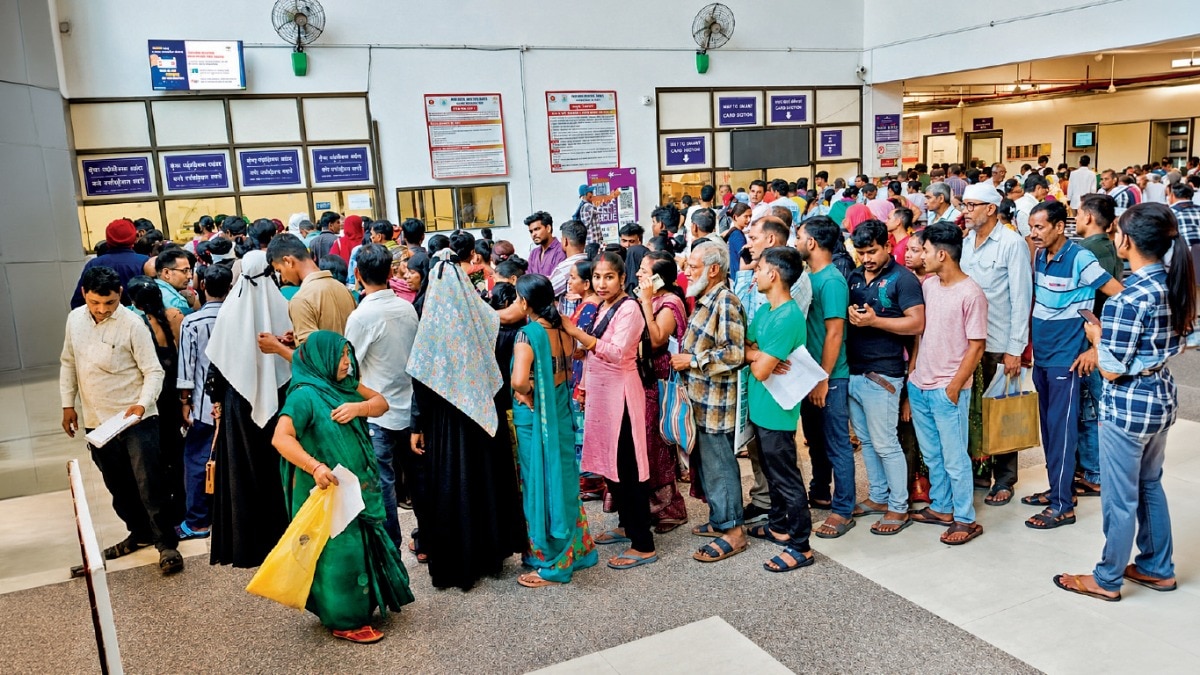
India's health insurance coverage climbs but hospitalisation costs rise

Apollo, Max Bet on India’s Hospital Capacity Growth
Dr Naresh Trehan Urges India and US to Learn Together
Max Healthcare Says Rising Costs Complicate Hospital Price Regulation
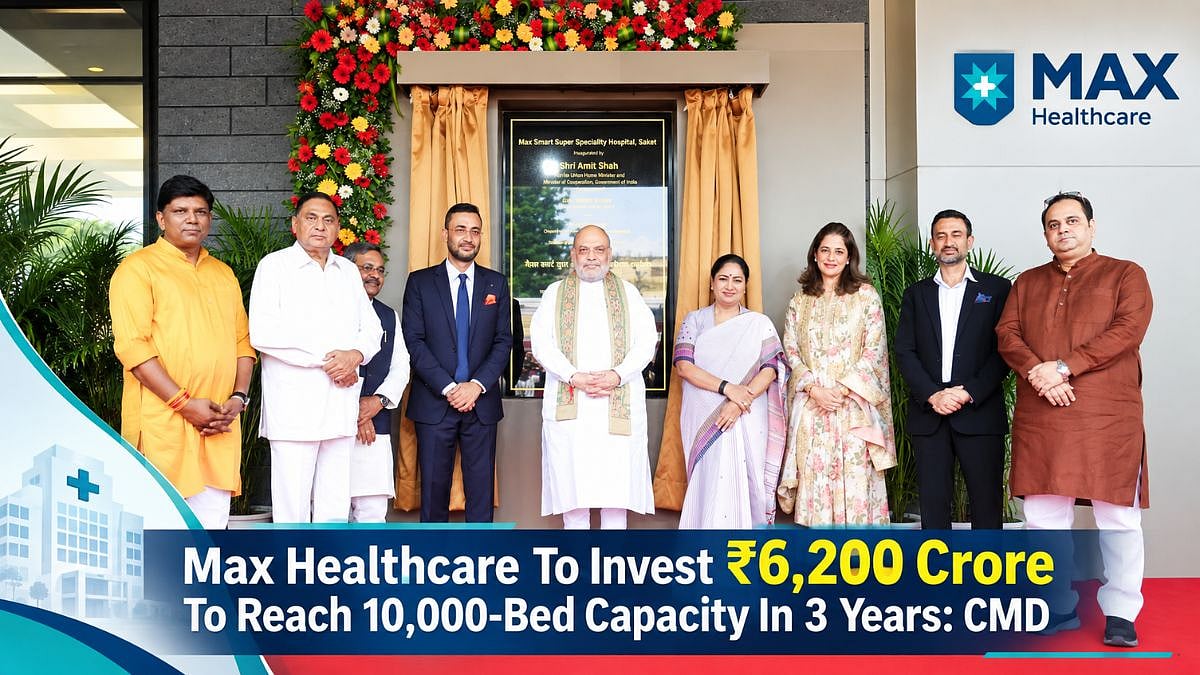
Max Healthcare Plans ₹6,200 Crore Expansion Toward 10,000 Beds

Assam’s Maternal Mortality Falls Below National Average, VP Says

India Faces Growing Cancer Crisis