1 hr ago
Acidity, Acid Reflux and GERD: Symptoms, Causes and Treatment

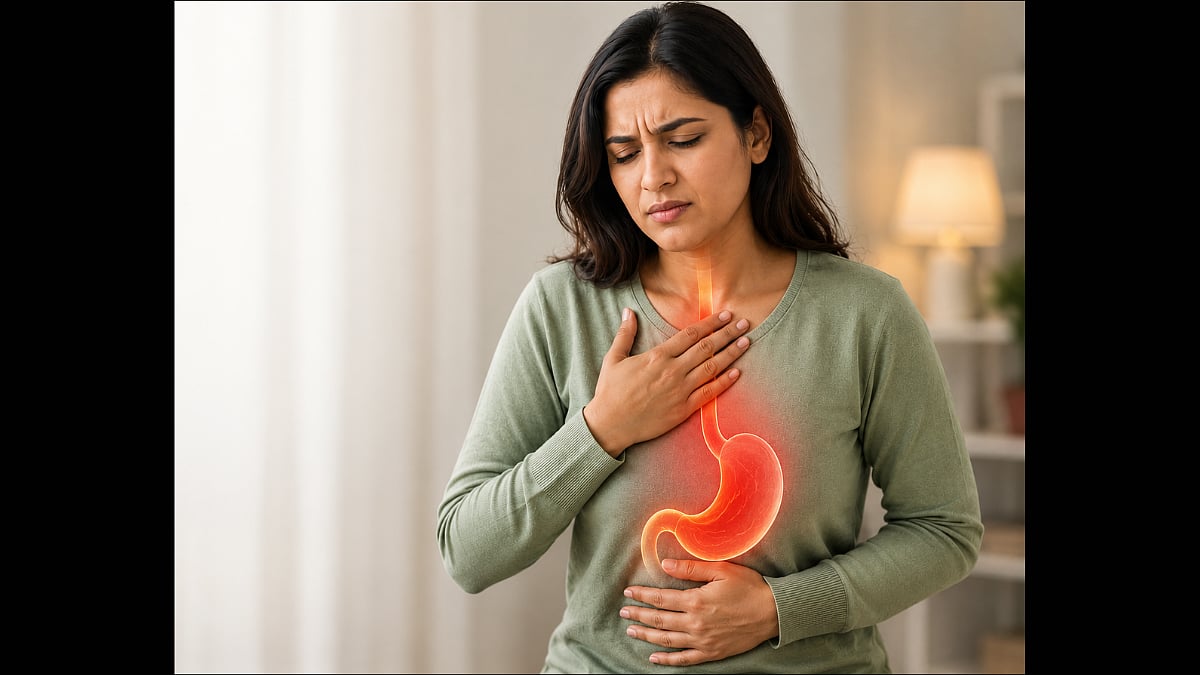
Acidity can feel like burning in the chest or upper stomach.
It may also cause sour burps or a sour taste.
Acid reflux happens when stomach contents move back into the oesophagus.
GERD is a longer-lasting or troublesome reflux condition.
Big meals, late-night eating and lying down after meals can make symptoms worse.
Some people react to spicy foods, fatty foods, coffee, chocolate or fizzy drinks.
Antacids may help for a short time, but repeated symptoms should be checked by a doctor.
Warning signs such as vomiting blood, black stools, unexplained weight loss or chest pain need prompt medical attention.

Acidity describes burning, sour burps or a sour taste, while GERD involves stomach contents rising into the oesophagus.
Large meals, fast eating, late dinners and lying down after eating can worsen reflux symptoms.
Spicy or high-fat foods, coffee, chocolate, fizzy drinks and stress may trigger symptoms in some people.
Heartburn or reflux occurring more than once a week should be evaluated by a doctor rather than repeatedly treated with antacids.
Persistent reflux may inflame the oesophagus and is associated with Barrett’s oesophagus, while warning signs require prompt medical attention.
- Who
- People experiencing acidity, acid reflux or GERD, with guidance from Dr Sambit Kumar Bhuyan and Dr Tirathram Kaushik.
- What
- Doctors explain the differences between occasional acidity, acid reflux and GERD, along with triggers, treatments and warning signs.
- Where
- The guidance comes from doctors at Manipal Hospital in Bhubaneswar and HCG Cancer Hospital in Mumbai.
- When
- Medical advice is recommended when reflux or heartburn occurs more than once a week, persists, or does not improve with self-care.
- Why
- Frequent or persistent reflux may require medical evaluation because it can inflame the oesophagus and may contribute to Barrett’s oesophagus.
Key facts
- Acidity symptoms
- Burning in the chest or upper abdomen, sour burps and a sour taste in the mouth.
- GERD
- A condition in which stomach contents rise back into the oesophagus and cause troublesome symptoms.
- Common aggravators
- Large meals, eating quickly, frequent snacking, late dinners and lying down soon after eating.
- Potential food triggers
- Spicy or high-fat foods, coffee, chocolate and fizzy drinks may worsen symptoms in some people.
- When to seek advice
- Consider medical advice when heartburn or acid reflux occurs more than once a week.
- Lifestyle measures
- Identify personal triggers, keep regular meal timings, avoid heavy meals before bed, maintain a healthy weight and exercise regularly.
- Warning signs
- Throat discomfort, unexplained weight loss, vomiting blood, black stools, chest pain or symptoms that persist despite medication or self-care.
Quotes
Dr Sambit Kumar Bhuyan
Consultant in Medical Gastroenterology at Manipal Hospital, Bhubaneswar
“While acidity refers to burning sensation in the chest or upper abdomen with symptoms like sour burps and sour taste in the mouth, GERD is a condition in which the contents in the stomach rise back into the oesophagus, leading to troublesome symptoms”
 livemint.com
“Antacids may help people suffering from gastritis immediately, but frequent occurrence calls for treatment beyond the use of antacids”
livemint.com
Sources
Related news
Recurring Acidity Symptoms May Signal Delayed Stomach Emptying

Heart Attack Can Feel Like Acidity: Symptoms and Warning Signs

Doctor Explains Health Risks of Eating Dinner After 9 PM

Daily Yoga Pose May Help Soothe Acid Reflux

Daily Bloating May Signal Gut Problems, Expert Warns

Eight Everyday Habits That May Affect Gut Health

Odisha Vigilance Arrests Engineer After Finding Cash, Deposits, Properties

Buffaloes Swept Into Strong Mahanadi Current Near Cuttack

President Murmu Recalls Teachers’ Support on Teachers’ Day 2026

Odisha Village Drummers Preserve Craft Rooted in Rural Life