9 months ago
4 Signs You Have Too Much Credit Card Debt

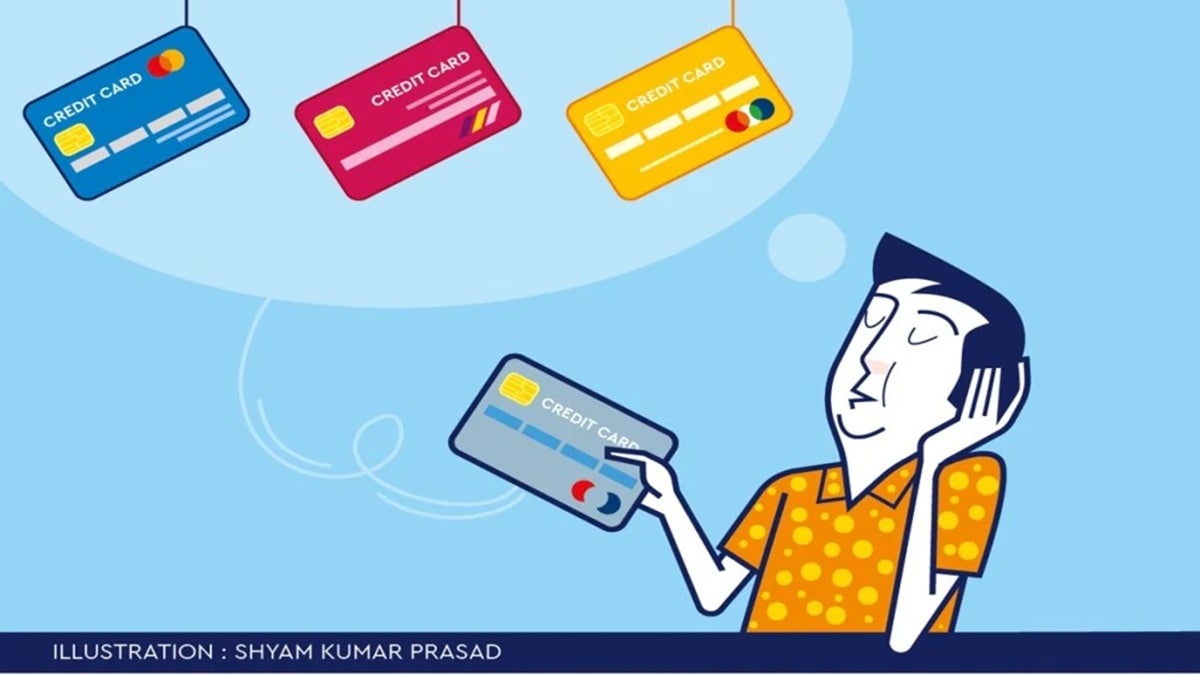
Imagine your credit card is like a piggy bank that lets you borrow money.
If you use almost all the money you're allowed to borrow (that's credit utilization), it makes your piggy bank look sad and can make it harder to borrow more money later.
If you can only put the tiniest bit of money back into the piggy bank each month, it means you might have borrowed too much.
This is tricky because the bank charges you a lot of 'thank you' money (interest) for borrowing, and if you only pay a little, the amount you owe might not even go down!
Sometimes, people just keep borrowing more, and the money they owe keeps growing like a balloon.
If you can't save money for other important things like emergencies or fun activities because all your money goes to the credit card, that's another big sign you might owe too much.
It's important to pay back more than just the minimum to make sure you don't get stuck owing too much for too long.

High credit utilization (at or above 30%) negatively impacts credit scores and signals overextension.
Being able to pay only the minimum due each month indicates a debt level beyond budget comfort and risks a debt trap.
A credit card balance that isn't decreasing or is increasing signifies overspending and a potential long-term financial problem.
Neglecting other financial priorities because of credit card debt is a clear sign of an unmanageable debt burden.
A debt-to-income ratio exceeding 36% can make debt repayment and accessing future credit difficult.
- Who
- Individuals with credit card debt
- What
- Identifying signs of having too much credit card debt that impacts financial health.
- Where
- Personal finance decisions related to credit cards.
- When
- When considering credit card usage and repayment strategies.
- Why
- To understand when credit card debt becomes problematic and to avoid negative financial consequences.
Manageable Debt
Problematic Debt
Credit Utilization
Manageable Debt
Credit utilization is below 30%, actively helping your credit score.
Problematic Debt
Credit utilization is at or above 30%, negatively impacting your credit score and signaling overextension.
Monthly Payments
Manageable Debt
Able to pay more than the minimum due, indicating budget comfort and progress on debt reduction.
Problematic Debt
Only able to afford minimum payments, signaling a potential debt trap and difficulty accommodating debt within the budget.
Balance Trend
Manageable Debt
Making consistent progress on paying down balances, indicating control over spending.
Problematic Debt
Balance is not going down or is increasing, suggesting overspending and a long-term financial issue.
Financial Priorities
Manageable Debt
Able to meet other financial obligations and goals alongside debt repayment.
Problematic Debt
Neglecting other financial priorities due to the burden of credit card debt.
Key facts
- Recommended Credit Utilization
- Below 30%
- Threshold for Burden
- 30% or above credit utilization
- Minimum Payment Impact
- Keeps balances with high interest over a long time, trapping individuals in debt.
- Debt-to-Income Ratio (DTI) Concern
- Over 36% can make repayment difficult and accessing credit challenging.
Quotes
CBS News
A news organization
“While occasional cash flow issues might force you to make one minimum payment here and there, a pattern hints at trouble”
 theweek.com
““not only signals that you might be overextended, but it also actively damages your credit score”
theweek.com
Yahoo Finance
A news organization
“experts recommend a credit utilization below 30%,” or even lower, to avoid impacts on your score”
theweek.com
“could mean your monthly debts are becoming burdensome”
theweek.com
U.S. News & World Report
A news organization
“minimum payments are designed to keep you repaying your credit card balances — often at a high interest rate — over a long time”
theweek.com
Greg McBride
Financial analyst
“continually adding to your debt rather than making consistent progress on paying down the balances, you’re headed down the wrong path financially”
theweek.com
NerdWallet
A financial news and advice website
“difficult to pay off and can make accessing credit more challenging”
theweek.com