

1 month ago
Choosing Between Personal Loan, FD, and Credit Card
If you need money fast, you can borrow from a bank, take money out of a savings plan, or use a credit card.
A personal loan gives you a set monthly payment and usually costs less than taking money out of a savings plan that has penalties.
Credit cards are quick but can charge a lot of interest if you don’t pay the full balance.
People who work a regular job can get personal loans online quickly.
Using a loan calculator helps you see how much you’ll pay in total and choose the best option.

Personal loans offer fixed EMIs and lower borrowing costs than breaking a fixed deposit or using a credit card for large amounts.
Breaking a fixed deposit incurs penalties and loss of future interest, especially if the FD was tax‑saving.
Credit cards provide instant liquidity but carry high interest on revolving balances and additional fees.
Salaried borrowers can benefit from online personal loan products with quick approval and transparent terms.
A personal loan calculator helps compare total interest and costs across options to make an informed decision.
- Who
- Salaried borrowers and other individuals needing quick cash
- What
- Deciding between a personal loan, breaking a fixed deposit, or using a credit card
- Where
- When
- When immediate liquidity is required and cost comparison is needed
- Why
- To preserve long‑term savings, avoid high interest, and maintain a clear repayment plan
Key facts
- Typical personal loan interest rate
- varies with profile and tenure
- Penalty for breaking FD
- bank levy plus loss of future interest
- Credit card interest
- high rates on unpaid balances
- Processing fees
- may apply to personal loan
- Tax deduction
- generally not available for personal loan
Sources
Related news

Personal Loan EMI Calculators Help Borrowers Assess Repayment Affordability

Using Personal Loans to Pay Credit Card Debt

Using EMI Estimates to Avoid Overborrowing on Personal Loans

Personal Loan Types in India: Medical, Wedding, Travel, Debt Consolidation

How to Evaluate Instant Online Loans Beyond Speed

Personal Loan Prepayment: Experts Weigh Savings Against Financial Risks

Contactless Tap-to-Pay Credit Cards: How They Work and Their Limits
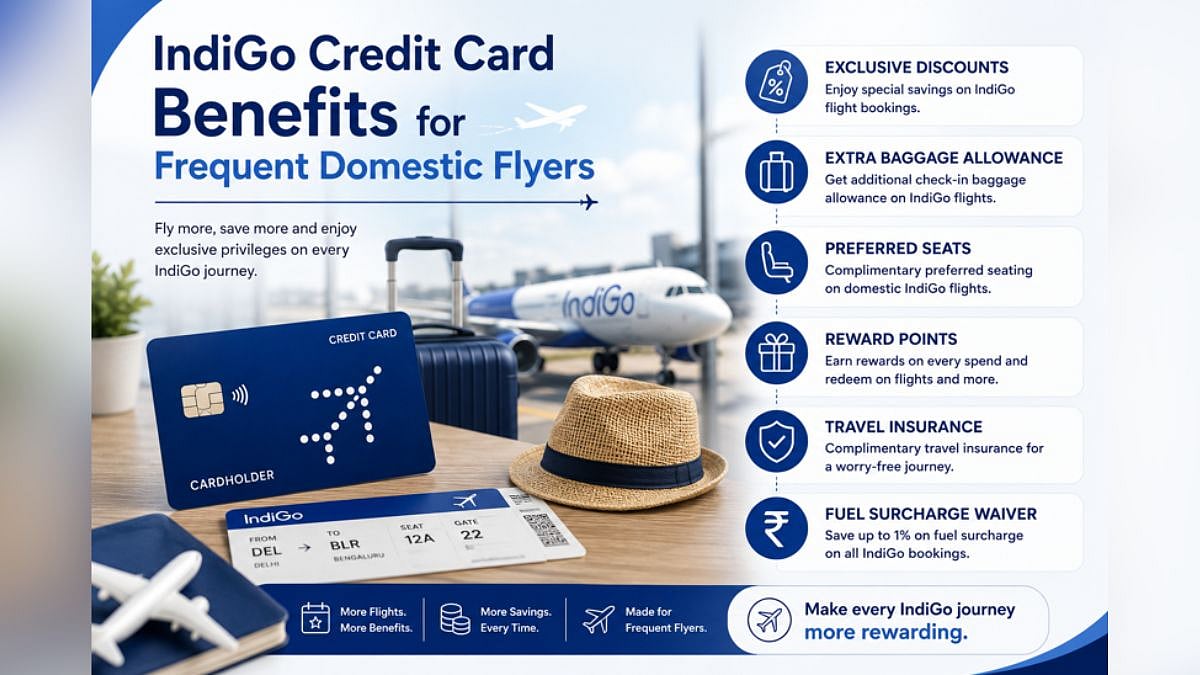
IndiGo Credit Card Benefits for Frequent Domestic Flyers

Guwahati Youth's Rising Debt Trap Due to Credit Card Usage

Credit Card Cash Advance: Understanding Its Costs and Risks
