

2 weeks ago
First World War and Kakori Action in India's Freedom Struggle
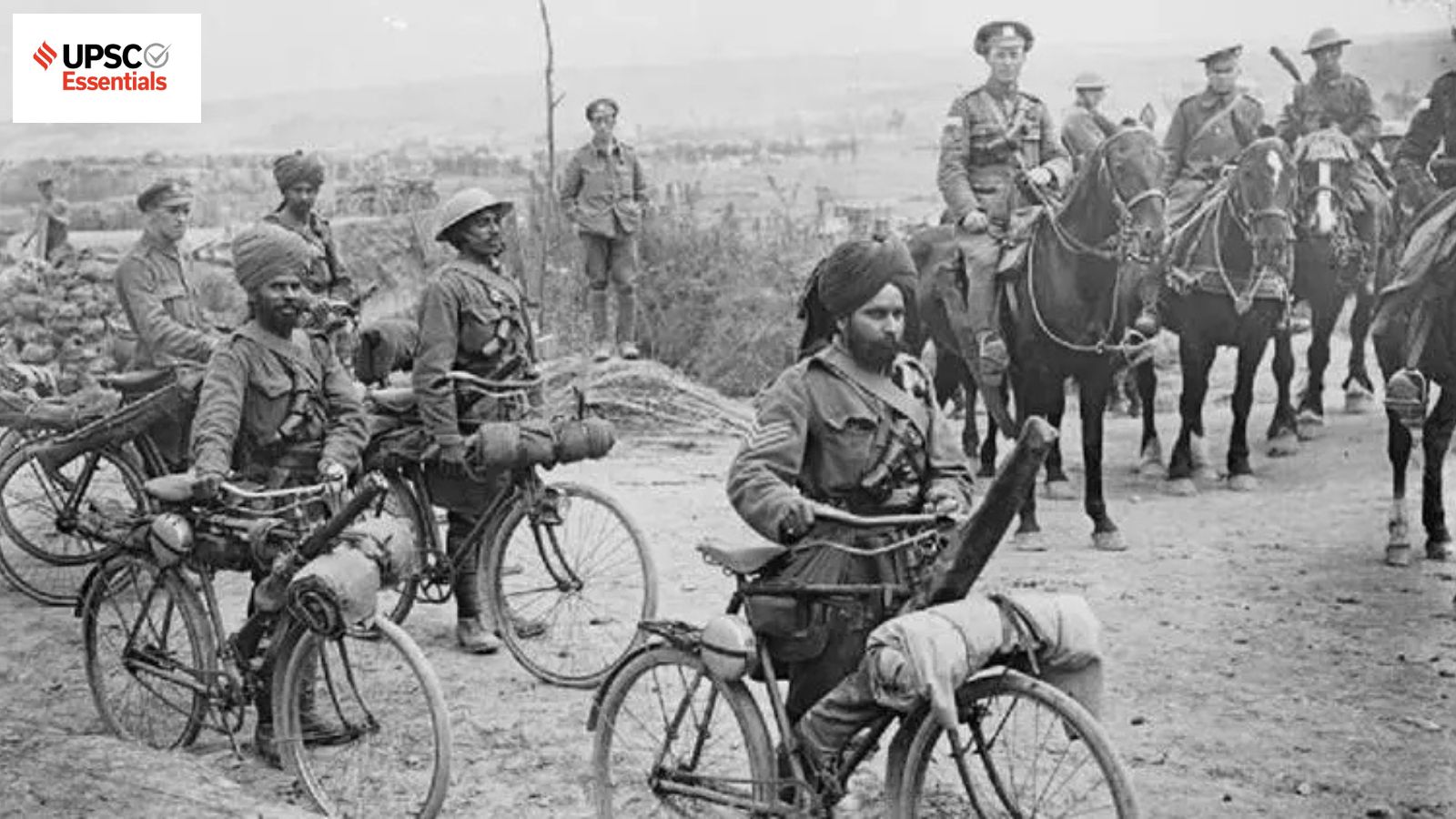
A long time ago, India was ruled by Britain, and many Indians wanted freedom.
During a huge world war, India sent more than a million soldiers to help Britain fight.
Many Indians hoped Britain would give them more freedom as a thank you, but after the war they were very disappointed.
Prices went up, food became hard to find, and British soldiers killed peaceful protestors at a place called Jallianwala Bagh.
This made ordinary people across India angrier and more ready to join the freedom fight.
Some young people thought peaceful protests were not enough and formed a secret group called the Hindustan Republican Association.
In 1925, the group stopped a train in Kakori and took money from the British government.
The British were shaken, but the action also showed both the bravery and the dangers of the revolutionaries' methods.
Together with peaceful leaders, the revolutionaries became an important part of India's long struggle for freedom.

The First World War (1914–18) is framed as a turning point in Indian nationalism, with India contributing over 1.4 million soldiers and labourers to the British war effort.
Hopes of postwar political rewards faded, and the April 1919 Rowlatt agitation ended in the Jallianwala Bagh massacre, pushing the movement toward mass mobilisation.
The war's economic toll — rising costs, shortages, and crop failures — broadened the social base of anti-colonial politics.
After the Non-Cooperation Movement's withdrawal in 1922, the Hindustan Republican Association was founded, and on August 9, 1925, its Kakori Train Action seized around Rs 4,600 from a government train.
The HRA's 1925 manifesto envisioned a federal republic with universal suffrage, and its evolution into the HSRA broadened revolutionary nationalism beyond armed resistance.
- Who
- Indian nationalist leaders such as Bal Gangadhar Tilak and Annie Besant, ordinary Indians, and young revolutionaries including Ram Prasad Bismil and Ashfaqullah Khan, in conflict with the British Empire's colonial rule.
- What
- An educational analysis of the First World War's political, economic, and social consequences for Indian nationalism, and of the HRA's Kakori Train Action as a distinct revolutionary stream in the freedom struggle.
- Where
- India, including Jallianwala Bagh and Kakori; Indian soldiers also served in Europe and West Asia.
- When
- The First World War (1914–18), followed by the Rowlatt agitation and Jallianwala Bagh massacre in April 1919; the Kakori Train Action occurred on August 9, 1925.
- Why
- Wartime sacrifice without promised political concessions, postwar economic hardship, and colonial persecution fuelled mass nationalism, while disillusionment with nonviolent methods after 1922 pushed some young nationalists toward armed revolution.
Nonviolent mainstream movement
Revolutionary armed struggle
Methods of protest
Nonviolent mainstream movement
The mainstream national movement pursued constitutional politics and mass demonstrations grounded in nonviolence.
Revolutionary armed struggle
Young nationalists, skeptical of relying solely on nonviolence after the 1922 withdrawal of the Non-Cooperation Movement, saw armed resistance as necessary.
Legacy of the Kakori Train Action
Nonviolent mainstream movement
The action stood as a symbol of bravery, sacrifice, and defiance of colonial control that inspired nationalist sentiment.
Revolutionary armed struggle
The death of a passenger during the action damaged the goal of a positive public reaction, showing the limits and dangers of armed tactics.
Key facts
- Publication
- The Indian Express UPSC Essentials, Week 167
- Exam relevance
- GS Paper 1 – Modern Indian History
- Question 1
- First World War as a turning point in Indian nationalism (political, economic, social consequences)
- Question 2
- Revolutionary movement: Kakori Train Action and Hindustan Republican Association
- Indian war contribution
- Over 1.4 million soldiers and labourers recruited
- Key political developments
- Home Rule movement (Tilak, Annie Besant); Lucknow Pact of 1916
- Kakori Train Action
- August 9, 1925; around Rs 4,600 seized; a passenger died
- Key 1919 event
- Jallianwala Bagh massacre following the Rowlatt agitation
Sources
Related news
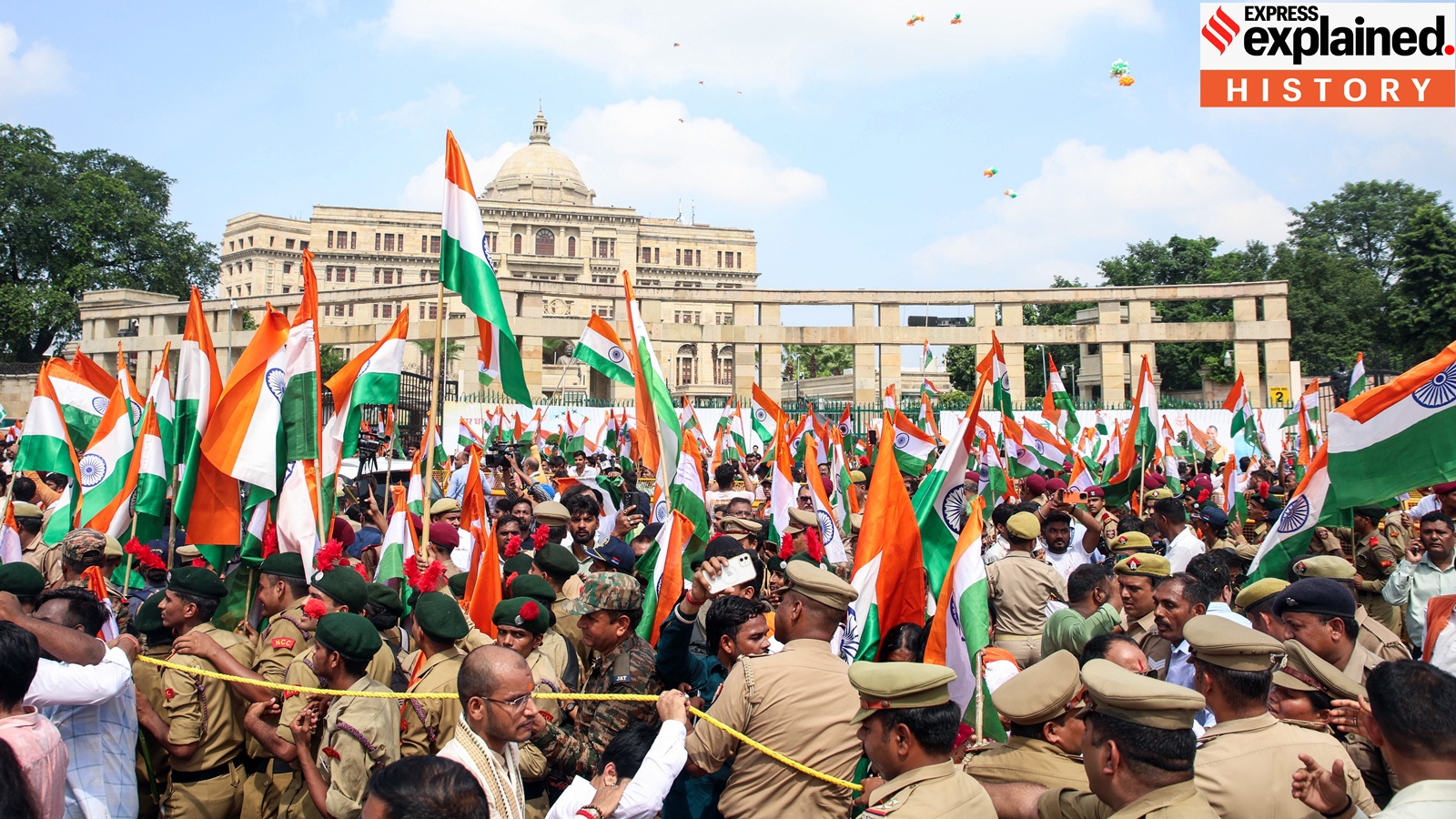
BJP Tiranga Yatra marks 101 years of Kakori Train Action

Yogi Warns of Forces Dividing India Over Caste, Region, Language
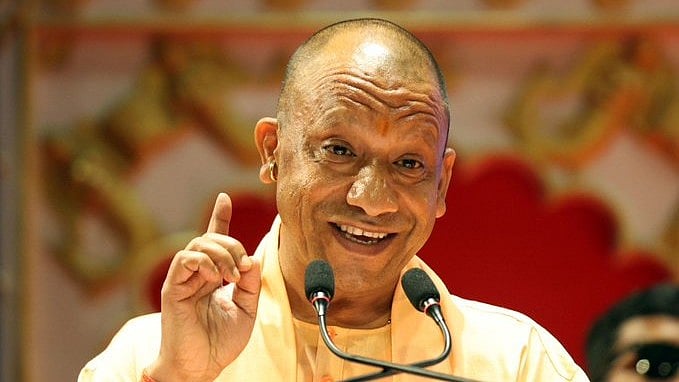
Yogi Adityanath Leads 30,000-Person Tricolour March Marking Kakori Centenary
84 Years After Quit India, Nation We Must Still Build

Ikea cuts European prices as cost pressures weaken demand

Europe's Bond Selloff Deepens as Middle East Tensions Lift Oil

China’s Rapid Car Development Faces Growing Safety Scrutiny
CNG Prices Rise Rs 2 per Kilogram in Pune

China Challenges US Leadership in Escalating Global AI Contest
