2 hrs ago
Nagaland Assembly Passes FNTA Bill to Address Eastern Development Gaps

Nagaland’s lawmakers approved a new plan for six districts in the state’s eastern region.
The plan creates an authority called the Frontier Nagaland Territorial Authority, or FNTA.
It is meant to give local people more involvement in governance and development decisions.
Leaders said the eastern districts have fallen behind partly because of geography and poor connectivity.
They also said the districts will remain part of Nagaland and that the plan is not for separation.
The authority will prepare development plans based on local needs.
The state and central governments are expected to provide funding.
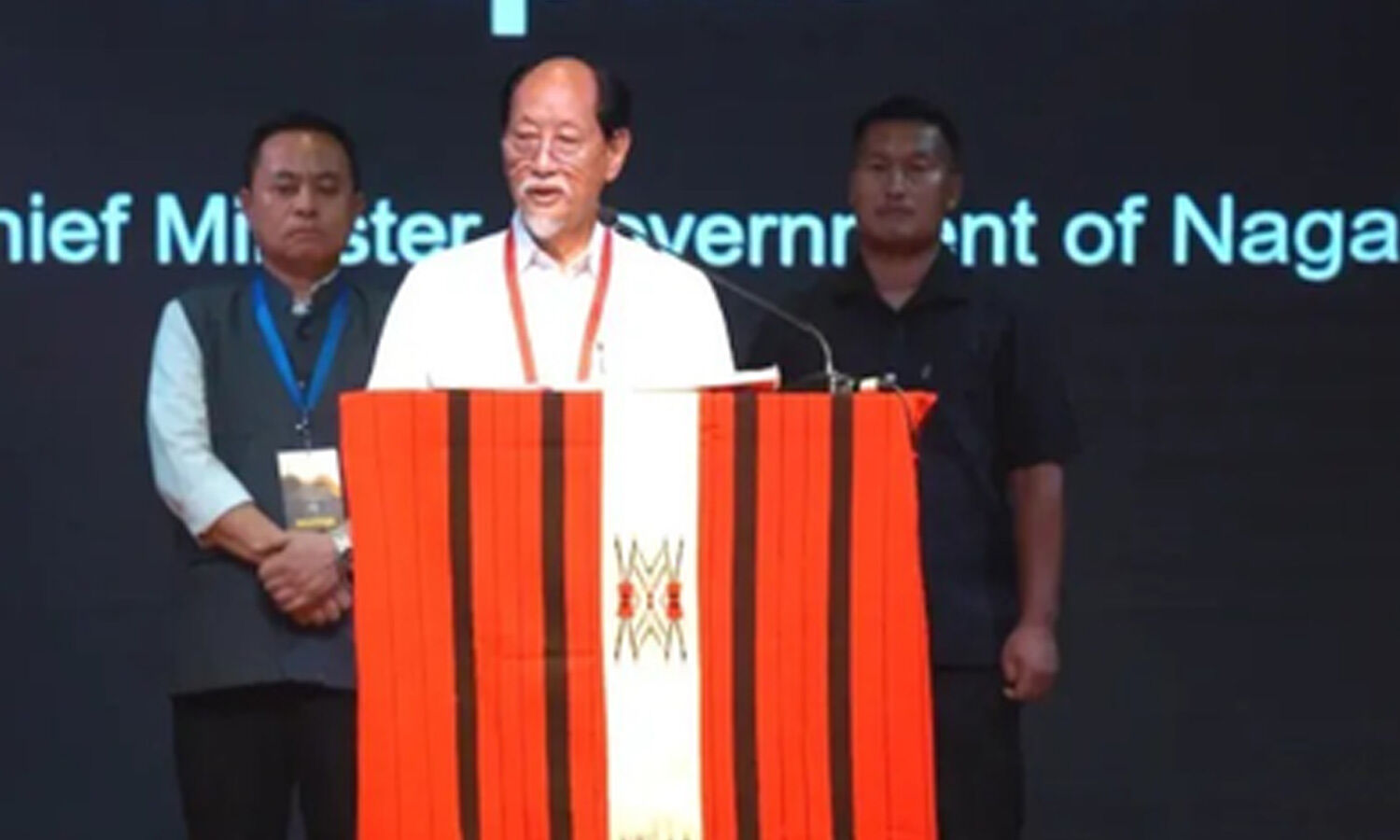
Chief Minister Neiphiu Rio said the plan could help people achieve their social, economic, educational and cultural goals.

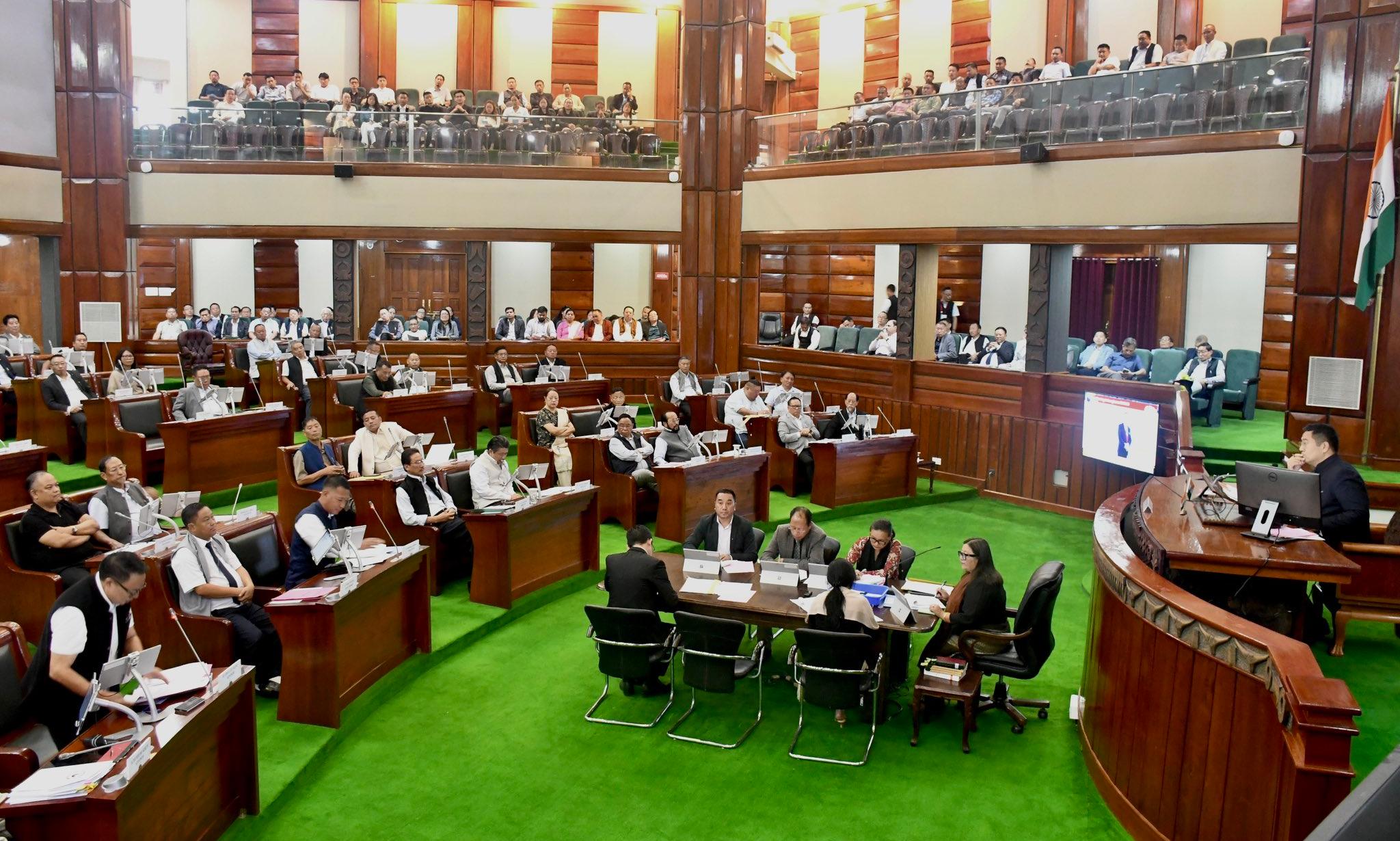
The Nagaland Assembly unanimously passed the FNTA Bill, 2026, by voice vote.
The Frontier Nagaland Territorial Authority will cover six eastern districts: Tuensang, Mon, Longleng, Kiphire, Noklak and Shamator.
Chief Minister Neiphiu Rio said the authority would decentralise governance and address long-standing regional development gaps.
The legislation follows a February 5, 2026, agreement involving the Centre, Nagaland government and Eastern Nagaland People’s Organisation.
Rio said Nagaland requested that the proposed special development package be increased from Rs 5,000 crore to at least Rs 10,000 crore.
- Who
- The Nagaland Assembly, the Nagaland government, Eastern Nagaland representatives and the Eastern Nagaland People’s Organisation were involved.
- What
- The Assembly passed the Frontier Nagaland Territorial Authority Bill, 2026, to establish a self-governing territorial authority for six eastern districts.
- Where
- The legislation was passed in the Nagaland Assembly in Kohima and applies to six eastern Nagaland districts.
- When
- The Bill was passed on Thursday, September 3; the report identifies it as a 2026 event.
- Why
- The stated aims are to decentralise governance, strengthen local participation and address development gaps in Eastern Nagaland.
Separate-State Demand
Self-Governance Within Nagaland
Political status
Separate-State Demand
The Eastern Nagaland People’s Organisation had demanded a separate state for the region since 2010, citing development gaps affecting local tribes and communities.
Self-Governance Within Nagaland
Nagaland legislators said the FNTA is an institutional arrangement within Nagaland, not a move toward separation, and that the six districts will remain integral to the state.
Approach to development
Separate-State Demand
Supporters of greater regional separation have pointed to longstanding shortcomings in infrastructure, connectivity and public services.
Self-Governance Within Nagaland
The state government said decentralised planning, local participation, state funding and Central grants through the FNTA can address those gaps while preserving state unity.
Extent of financial support
Separate-State Demand
The region’s stated development requirements have led Nagaland to seek a larger package than the proposed amount.
Self-Governance Within Nagaland
The agreement proposes a Rs 5,000 crore special development package, while the state has requested that it be raised to at least Rs 10,000 crore.
Key facts
- Authority
- Frontier Nagaland Territorial Authority (FNTA)
- Covered districts
- Tuensang, Mon, Longleng, Kiphire, Noklak and Shamator
- Assembly vote
- Passed unanimously by voice vote
- Agreement behind legislation
- Memorandum of Agreement signed on February 5, 2026, by the Centre, Nagaland government and Eastern Nagaland People’s Organisation
- Proposed development package
- Rs 5,000 crore under the agreement, with Nagaland requesting at least Rs 10,000 crore
- Funding mechanisms
- State allocations based on population and geographical size, alongside Special Development Grants from the Centre
- Constitutional safeguard
- The government said protections under Article 371A would remain inviolable
Quotes
Sukhato A. Sema
LJP MLA in the Nagaland Assembly
“Development should not be concentrated, but it should be shared.”
 theprint.in
Sources
Related news
Nagaland Assembly Tables Revised Frontier Territorial Authority Bill

Nagaland government committed to honourable Naga solution: Rio
Nagaland Assembly Urges Centre to Withdraw Protected Area Permit
Nagaland CM urges ILP balance identity protection with development
Ladakh Approves Seven Autonomous Councils for Grassroots Governance
Mizoram BJP delegation urges Centre to pass autonomous council Bill
Rahul Gandhi Targets Amit Shah Over Dalit Father's Attacker

India’s Zorawar Light Tank Built for High-Altitude Warfare

India and Belgium Sign Pact for Renewable Energy Cooperation
Ganga Flood Threat Grows in Varanasi as Relief Efforts Intensify
India Sends More Relief Supplies to Flood-Hit Nepal