2 hrs ago
Amarinder Singh Seeks Clarity on Modi’s ‘Dimagi Naxal’ Label
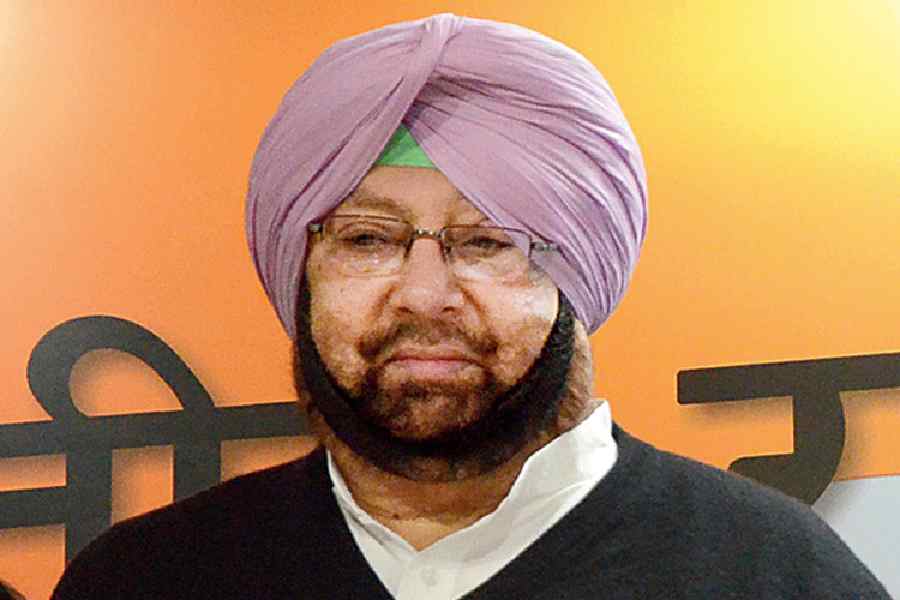
Amarinder Singh asked the prime minister to explain exactly what “dimagi Naxal” means.
He said people should not be called dangerous just because they criticize the government.
In his view, the law should focus on actions such as organizing or supporting violence.
Narendra Modi had used the phrase during his Independence Day speech about people with a Maoist mindset.
Singh said fighting violence and protecting democratic freedom should happen together.
The Bharatiya Janata Party disagreed with Congress leader Rashid Alvi’s reported comments about a former Air Force commander’s appointment.
The BJP said Alvi’s comments insulted the army and the Ram temple.
The disagreement shows that the phrase is being used in a wider political argument about national security and dissent.

Amarinder Singh urged Prime Minister Narendra Modi to clearly define “dimagi Naxal” and distinguish it from lawful dissent.
Singh said the term is political, not a legal category, and criminal liability must rely on evidence of conduct and intent.
He argued authorities should target those who finance, recruit for, facilitate or organise violence, not merely unpopular critics.
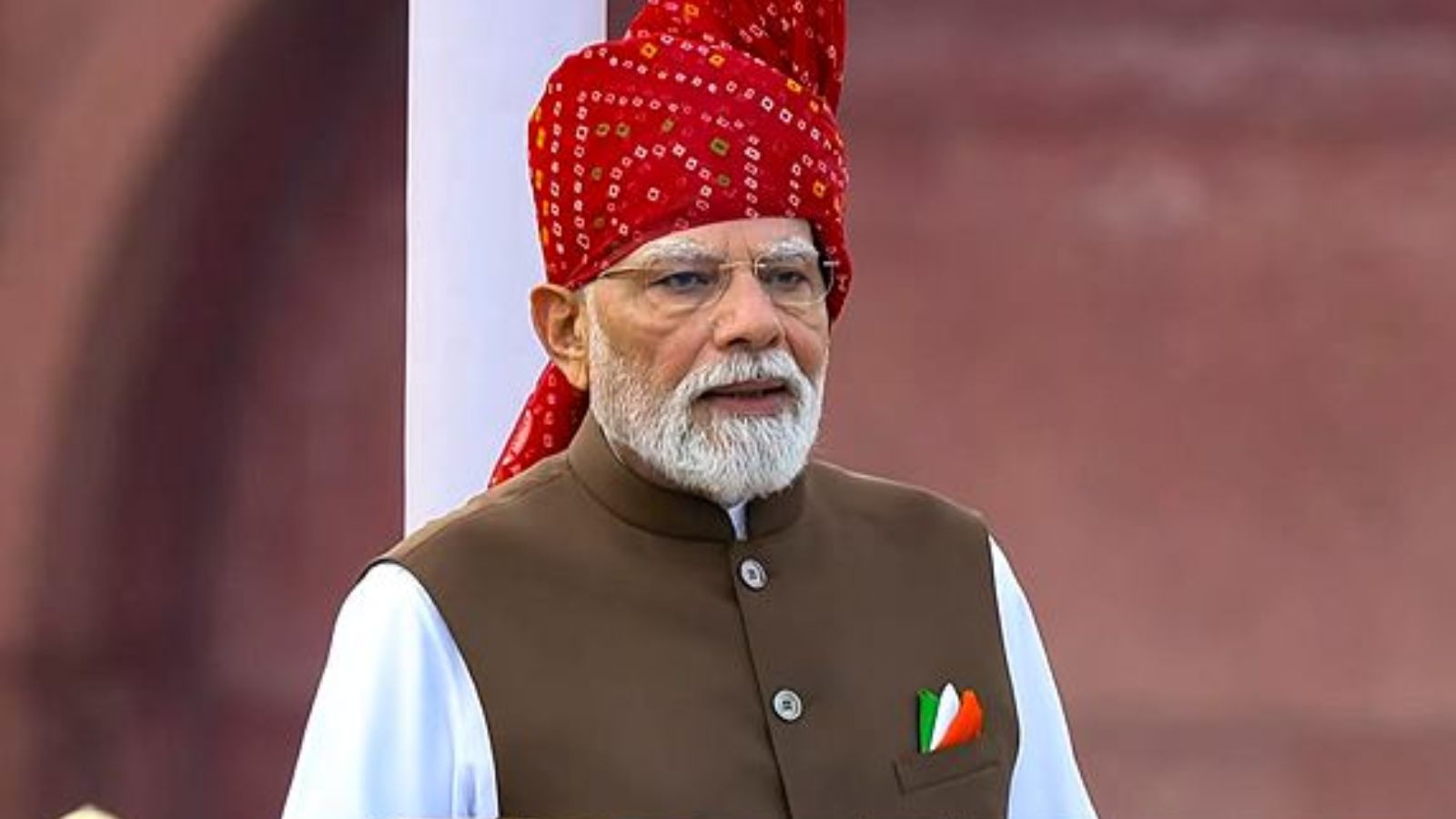
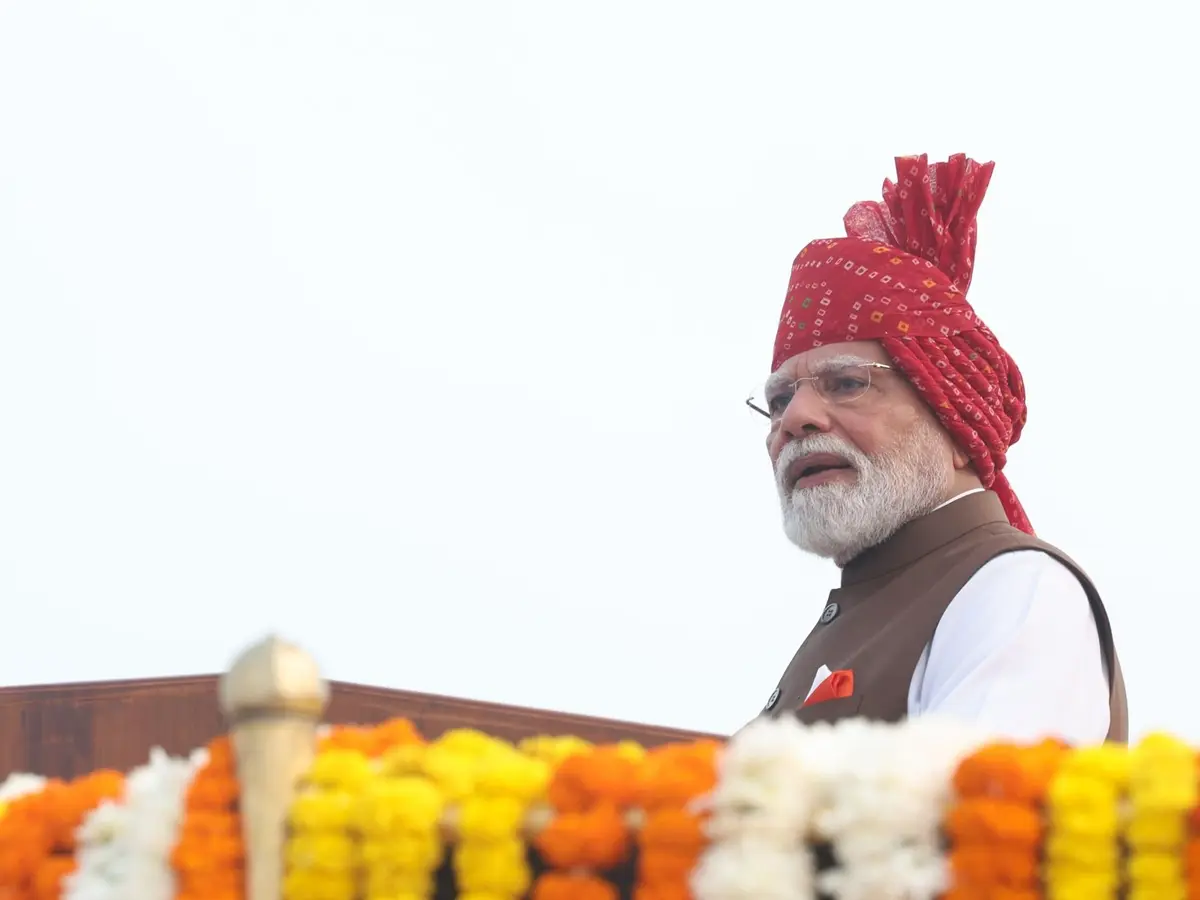
Narendra Modi used the term in his Independence Day address while warning that people with a Maoist mindset could enable violence and disorder.
The Bharatiya Janata Party accused Congress leader Rashid Alvi of displaying a “dimagi Naxal” mindset by questioning the appointment of a former Air Force commander to the Ayodhya temple trust.
- Who
- BJP leader and former Punjab chief minister Amarinder Singh, Prime Minister Narendra Modi, the Bharatiya Janata Party, and Congress leader Rashid Alvi.
- What
- Singh sought a clear definition of “dimagi Naxal,” while the BJP accused Alvi of reflecting that mindset through remarks about a temple-trust appointment.
- Where
- Modi made the address from the Red Fort; the BJP’s comments concerned the Shri Ram Janmabhoomi temple trust in Ayodhya.
- When
- Singh’s comments came ahead of Punjab assembly elections; Modi made the remarks in his Independence Day address, and the BJP responded on Thursday.
- Why
- Singh wants the term distinguished from lawful dissent, while the BJP said Alvi’s remarks insulted the Indian Army, Operation Sindoor and the Ram temple.
Call for Legal Clarity and Protection of Dissent
BJP’s Allegation of Anti-National Conduct
Meaning of “dimagi Naxal”
Call for Legal Clarity and Protection of Dissent
Amarinder Singh said the term must be clearly defined and must not be applied to people merely because their opinions are radical, unpopular or sharply critical.
BJP’s Allegation of Anti-National Conduct
The Bharatiya Janata Party used the phrase to characterize what it called the Congress’s mindset after Rashid Alvi’s reported comments about the temple-trust appointment.
Dissent and national security
Call for Legal Clarity and Protection of Dissent
Singh said lawful dissent, including criticism by students, farmers, tribal activists and journalists, should not be treated as extremism, while proven support for violence should be prosecuted.
BJP’s Allegation of Anti-National Conduct
The BJP said Alvi’s remarks cast aspersions on the armed forces and Operation Sindoor and represented an insult to the Indian Army and the Ram temple.
Use of government authority
Call for Legal Clarity and Protection of Dissent
Singh argued that police and intelligence agencies should focus on networks that finance, recruit for, facilitate or organize violence rather than broadly scrutinizing inconvenient views.
BJP’s Allegation of Anti-National Conduct
The BJP argued that Alvi’s statement exposed a broader Congress position that it described as a “Muslim League-Maoist” ecosystem.
Key facts
- Term under debate
- “Dimagi Naxal” was described by Singh as a political expression rather than a legal category.
- Singh’s proposed standard
- Criminal liability should be based on conduct, intent, conspiracy, incitement, financing or deliberate assistance.
- Modi’s warning
- Modi said people with a Maoist mindset remained capable of creating violence and disorder and should be identified and isolated.
- Singh’s democratic principle
- He said disagreement with the government does not by itself make a person disloyal to India.
- BJP criticism
- The BJP accused Rashid Alvi of questioning the appointment of retired Air Marshal Jeetendra Mishra as CEO of the Ayodhya temple trust.
- Operation referenced
- Jeetendra Mishra previously headed the Indian Air Force’s Western Air Command during Operation Sindoor.
- Political context
- Singh’s comments came before Punjab assembly elections, where the BJP is seeking to expand.
Quotes

Amarinder Singh
BJP leader and former Punjab chief minister
“The dividing line is not left versus right, government versus Opposition, or nationalist versus critic. It is between lawful dissent and conduct that knowingly enables violence”
 telegraphindia.com
“India should not have to choose between national security and democratic freedom. Properly understood, the two reinforce each other.”
telegraphindia.com
Sources
Related news

Rijiju Clarifies 'Dimagi Naxals' Remark; Chidambaram 'Proud To Be One'
‘Dimagi Naxal’ Debate Casts Dissent as Political Threat
Opposition leaders hit back at Modi's 'dimagi Naxal' remark
Congress dubs Modi 'master abuser' over 'dimaagi Naxals' remark
Modi's 'Dimaagi Naxal' remark sparks political row over dissent

Tavleen Singh Challenges ‘Dimagi Naxal’ Label, Defends Dissent

Returning Agniveers' Uncertain Future Fuels Punjab Election Politics
Punjab’s Law, Akal Takht Authority Collide in Unresolved Confrontation

Old Punjab School Video Sparks AAP-BJP Social Media Clash

Former Punjab CM Channi Takes MA Exam Amid Congress Meeting