1 hr ago
Supplements Can Help, But Misuse May Cause Serious Harm
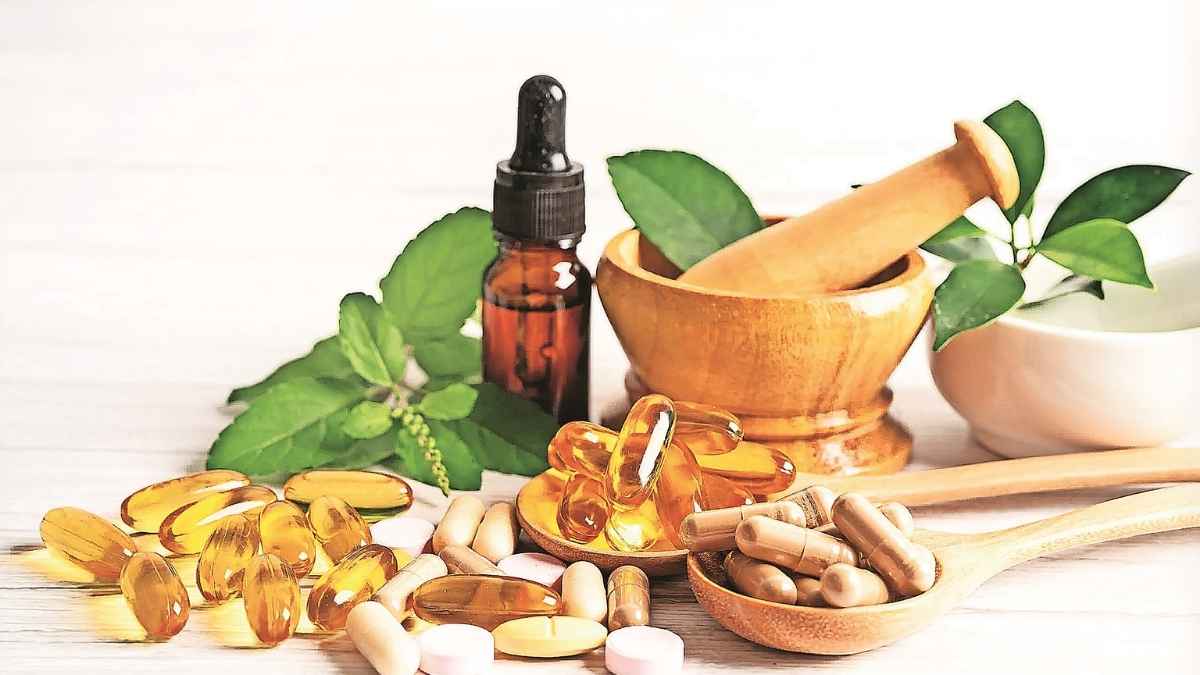
Supplements are products that add nutrients to a person’s diet.
They can help people who truly lack nutrients such as iron or vitamin D. But taking them without medical advice can be risky.
Too much of some vitamins or minerals can hurt the liver, kidneys or other organs.
Supplements can also interfere with medicines or hide the signs of a health problem.
Advertisements and social media often make products sound more effective than research shows.
Experts say products promising detoxes, quick weight loss or stronger immunity may not have enough proof behind them.
People should check with a doctor before taking supplements, especially if they are pregnant, elderly, young or managing a long-term illness.

Doctors say supplements can treat deficiencies such as low iron, vitamin D, vitamin B12 and folic acid when used appropriately.
Self-prescribing influenced by advertising, social media and friends may cause side effects, drug interactions, organ damage or delayed diagnosis.
Excessive intake can lead to problems including vitamin A or D toxicity, kidney stones, liver damage and digestive issues.
Experts say detox, cleanse, immune-boosting, biotin and collagen products often lack strong evidence for people without deficiencies.
Pregnant and breastfeeding women, children, older adults and people with chronic conditions should consult a doctor before taking supplements.
- Who
- Indian doctors, supplement consumers and the Food Safety and Standards Authority of India are discussed.
- What
- Medical experts warn that dietary supplements can help treat deficiencies but may cause harm when used unnecessarily or without guidance.
- Where
- India, with comments from doctors and an industry event in Delhi and Mumbai.
- When
- The article gives no publication date; it refers to a recent Mumbai event held the previous month and to rising cases seen in clinical practice.
- Why
- Supplements are increasingly promoted through advertising, packaging, celebrity endorsements, social media and wellness claims, while many products lack strong clinical evidence.
Targeted, medically guided use
Unnecessary, self-directed use
Role of supplements
Targeted, medically guided use
Doctors say supplements can be useful for people with confirmed nutritional deficiencies or specific needs, including pregnancy, malnutrition or athletic training.
Unnecessary, self-directed use
Experts warn that many people take supplements for general wellness without establishing a deficiency, exposing themselves to unnecessary risks.
Marketing claims
Targeted, medically guided use
Supporters of appropriate supplementation argue that products can address recognized nutritional gaps when their contents and dosage are understood.
Unnecessary, self-directed use
Doctors say advertising, influencer endorsements and labels such as “natural” or “immunity-boosting” can encourage consumption despite weak evidence.
Evidence and regulation
Targeted, medically guided use
Some supplements are used in clinical practice to correct deficiencies, and doctors acknowledge that they can provide benefits when properly selected.
Unnecessary, self-directed use
Critics say many products reach consumers through marketing claims without sufficient proof that they work, and some can interfere with medicines or diagnostic tests.
Key facts
- Potential benefits
- Supplements may help address deficiencies involving iron, vitamin D, vitamin B12, folic acid and other nutrients.
- Reported risks
- Possible harms include stomach upset, headaches, drug interactions, liver damage, kidney stress and delayed diagnosis.
- Examples of excess
- Too much vitamin D may raise calcium levels and contribute to kidney failure; excess calcium may increase kidney-stone risk.
- Products questioned
- Experts identify detox, cleanse, immune-boosting, biotin and collagen products as having limited or insufficient evidence in many users.
- Higher-risk groups
- Pregnant or breastfeeding women, children, older adults and people with chronic conditions should seek medical advice before use.
- Industry estimate
- The Indian nutraceutical industry was described as holding 2% of the global market and potentially surpassing pharmaceuticals by at least tenfold in the future.
- Regulatory concern
- The article says the Food Safety and Standards Authority of India does not allow disease-treatment claims but does not require proof of effectiveness before products are sold.
Quotes
Dr Suranjit Chatterjee
Senior consultant in internal medicine at Indraprastha Apollo Hospital, Delhi
“For some, it’s nothing more than an upset stomach or a lingering headache. For others, it can spiral into something far more serious, liver damage, kidney stress, or a dangerous clash with a medication they are already taking. In extreme cases, certain supplements taken in high doses can even be fatal.”
 financialexpress.com
““Detox” and “cleanse” supplements are perhaps the clearest example of something bad; the liver and kidneys naturally and constantly clean the body, and no supplement can copy or improve this natural cleaning.”
financialexpress.com
Sources
Related news

Why Indians Rely on Vitamin D Pills Despite Sunlight

Medical Cannabis Offers Potential Benefits Amid Regulation and Safety Concerns

Doctors Warn Women Against Excessive Protein Amid Wellness Boom
Doctors Warn Growing Injectable Peptide Trend May Carry Risks

Fibre Supplements May Cause Bloating, Gas and Diarrhoea
Kalwa Police Arrest Two in ₹26.81 Lakh Gutkha Bust

Nestle India Denies FSSAI Baby Formula Legal Action Report

Bombay High Court Quashes Britannia Cheese Safety Case Over Safeguards