

1 hr ago
Medical Cannabis Offers Potential Benefits Amid Regulation and Safety Concerns
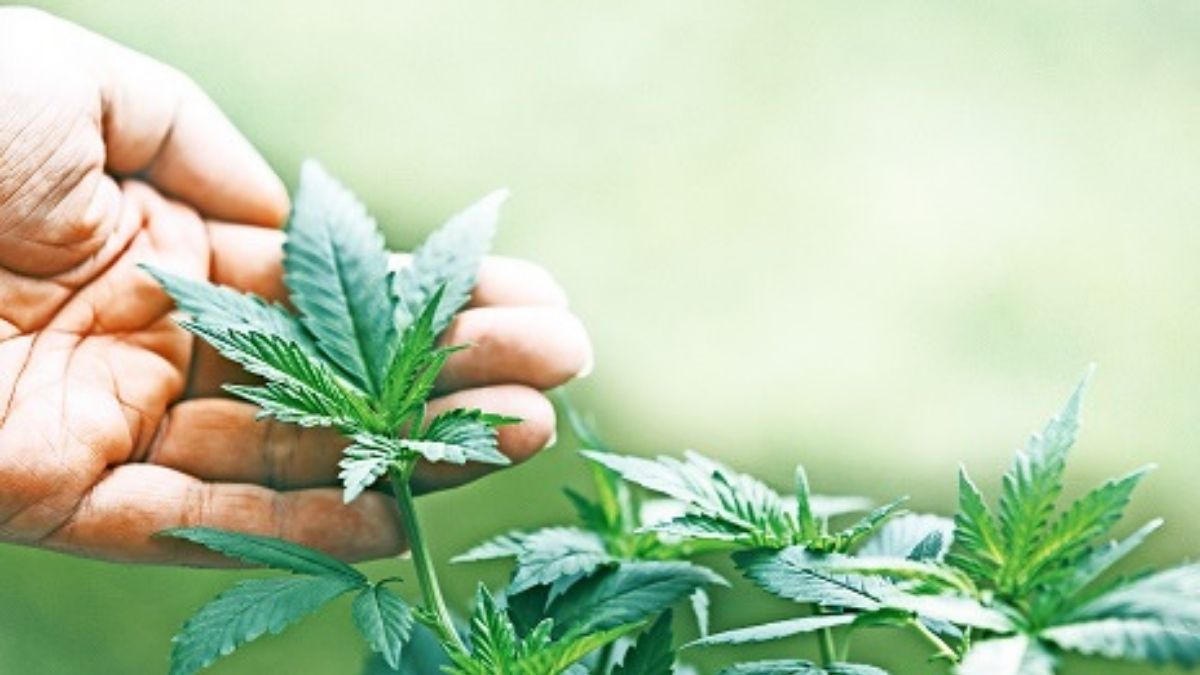
Some medicines and wellness products are made from the cannabis plant.
Two important ingredients are THC and CBD.
THC can make people feel relaxed, but it can also affect memory, coordination and judgment.
CBD usually does not make people feel intoxicated, but it can still interact with other medicines.
Doctors say these products may help some people with problems such as certain seizures, pain and nausea.
However, products sold without strong checks may have incorrect doses or hidden ingredients.
People can also develop side effects, tolerance or dependence.
The right amount is different for each person.
Experts therefore recommend using these products only with medical advice and better regulation.

Doctors say cannabis-derived products may help with selected conditions, including resistant epilepsy, chronic pain and chemotherapy-related nausea.
Experts warn that inaccurate labels, inconsistent dosages and undisclosed THC levels can cause contamination, drug-interaction and self-medication risks.
THC may affect mood, memory, coordination and judgment, while CBD is generally described as non-intoxicating but can still interact with medicines.
Tolerance and effects vary according to factors such as body weight, metabolism, genetics, age, health and previous cannabis use.
Doctors call for stronger quality controls, clearer THC and CBD labelling, contamination testing, pharmacovigilance and physician-supervised prescribing in India.
- Who
- Doctors from Indraprastha Apollo Hospital and Artemis Hospital, along with a review published in the Journal of the American Medical Association, address the benefits and risks of cannabis-derived products.
- What
- Cannabis-derived products containing THC, CBD or both are expanding in wellness and medical markets, prompting concerns about safety, evidence, dosing and regulation.
- Where
- The regulatory and healthcare concerns discussed focus primarily on India.
- When
- The article cites a recent review published in the Journal of the American Medical Association; no specific date is given for the review or the broader market trend.
- Why
- Products are becoming more widely available and are being used for conditions including pain, anxiety, epilepsy and sleep problems despite inconsistent evidence, labelling and clinical oversight.
Potential Medical Benefits
Safety and Evidence Concerns
Appropriate medical use
Potential Medical Benefits
Doctors say carefully selected patients may obtain relief from resistant epilepsy, chronic pain, chemotherapy-related nausea, sleep problems, muscle spasms and palliative symptoms.
Safety and Evidence Concerns
Other experts stress that outcomes are highly individual and that evidence is insufficient for most medical indications, while unsupervised use may delay diagnosis or conventional treatment.
CBD and THC risk profile
Potential Medical Benefits
CBD is described as generally well-tolerated and non-intoxicating, while some medically approved formulations use CBD as the main therapeutic component.
Safety and Evidence Concerns
CBD can interact with important medicines, and THC can impair coordination, memory and judgment or cause anxiety, paranoia and psychotic symptoms in vulnerable people.
Market availability
Potential Medical Benefits
Wider availability could provide alternative treatments, particularly when conventional options have failed, and some patients report mild relief.
Safety and Evidence Concerns
Doctors warn that weak oversight, inaccurate labelling, inconsistent doses and misinformation may encourage misuse, dependence, preventable complications and unsafe self-medication.
Key facts
- Main compounds
- Tetrahydrocannabinol (THC) and cannabidiol (CBD).
- Potential medical uses
- Selected cases of chronic or neuropathic pain, chemotherapy-related nausea, resistant epilepsy, anxiety, sleep problems, muscle spasms and palliative care.
- Key THC effects
- THC may alter mood, memory, coordination, concentration and judgment; higher doses may cause confusion or paranoia.
- Key CBD concern
- CBD is generally described as non-intoxicating but may interact with blood thinners, anti-epileptics, immunosuppressants and other medicines.
- Evidence assessment
- A recent Journal of the American Medical Association review found insufficient evidence for cannabis and cannabinoids for most medical indications.
- Reported longer-term risks
- Experts cite tolerance, dependence, cognitive and mental-health effects, and, in some cases, psychotic symptoms.
- Suggested safeguards
- Doctors recommend accurate potency labelling, contamination testing, Certificates of Analysis, pharmacovigilance and prescription-based access.
Quotes
Dr Deeksha Kalra
Associate consultant in psychiatry at Artemis Hospitals
“India’s regulatory framework for cannabis-derived products remains fragmented despite existing oversight under the NDPS Act and AYUSH licensing norms.”
 financialexpress.com
“There is no one perfect dose; it depends on body weight, tolerance and purpose.”
financialexpress.com
Sources
Related news

Crescent Canna India Promotes Transparent Botanical Wellness Products

Bengaluru Peptide Party Cancelled Amid Safety Concerns Over Wellness Craze

The dark side of India's booming market for weight-loss drugs

GLP-1 Patent Expiries Bring Affordable Access and Counterfeit Risks

India’s Pharma Industry Embraces AI Amid Regulatory Concerns
Nepal's Gandaki province allows medical marijuana cultivation despite national ban

ED Searches 30 Locations Across Four States Over Drug Money
Pune Crime Roundup Covers Assaults, Thefts, Fraud and Drugs

Cannabis Use Spreads Into Villages, Prompting Safety Concerns

Cannabis Worth Rs 2.2 Crore Seized in Palamu
