1 hr ago
Doctors Warn Women Against Excessive Protein Amid Wellness Boom

Protein helps the body build muscles and stay healthy.
But eating or drinking extra protein does not automatically make someone healthier.
Doctors are concerned that some women are using several protein supplements every day without knowing how much they need.
Some protein drinks and snacks also contain sugar, sweeteners, additives and extra calories.
These products may replace fruits, vegetables, whole grains and other nutritious foods.
This can make a person’s overall diet less balanced.
Protein needs can change during life stages such as pregnancy, breastfeeding and menopause.
Many people can get enough protein from foods such as eggs, dairy, pulses, fish and lean meat.
Doctors advise people to ask a healthcare professional before taking multiple protein supplements.

Protein products are increasingly marketed through cafés, supermarkets and social media in India.
Doctors say protein is essential but that consuming more is not always healthier.
Excessive supplements may cause nutritional imbalance, digestive discomfort and unnecessary calorie intake.
Protein products can contain added sugars, sweeteners, additives and significant calories.
Experts recommend meeting protein needs through regular foods and using supplements only when medically necessary.
- Who
- Healthcare experts, including Dr. Hima Deepthi, Dr. Lingaiah Miryala and Dr. M. Srilatha, are warning women and other consumers.
- What
- Doctors are cautioning against excessive protein consumption and the unnecessary use of multiple protein supplements and fortified products.
- Where
- The trend is being seen across cafés, supermarkets, social media and digital marketplaces in India.
- When
- The warning comes as protein-focused products and marketing have expanded in recent years.
- Why
- Experts say excessive protein may displace other nutritious foods and add unnecessary calories, sugars, sweeteners or additives without providing extra health benefits.
Key facts
- Trend
- Protein coffees, smoothies, shakes, bars, yogurts, beverages and desserts are increasingly marketed to consumers.
- Main concern
- Some women are consuming multiple protein supplements and fortified products without understanding their nutritional requirements.
- Potential risks
- Experts cite nutritional imbalance, digestive discomfort, unnecessary calorie intake and possible weight gain.
- Dietary balance
- Protein-focused foods may replace fruits, vegetables, whole grains and other sources of fibre and micronutrients.
- Life stages
- Women’s protein needs vary across adolescence, reproductive years, pregnancy, breastfeeding and menopause.
- Recommended sources
- Regular sources include dairy products, eggs, pulses, legumes, fish and lean meats.
- Supplement guidance
- Doctors say supplements should generally be used when there is a clear medical or nutritional need.
Quotes
Dr. Lingaiah Miryala
MD and Senior Consultant Physician at Amor Hospital
“From a clinical perspective, my concern is not with protein itself, but with the growing tendency to consume it in excess and in the form of multiple supplements and fortified products.”
 deccanchronicle.com
“Protein is an important component of women's health and plays a role in supporting fertility, reproductive health and overall well-being.”
deccanchronicle.com
Sources
Related news
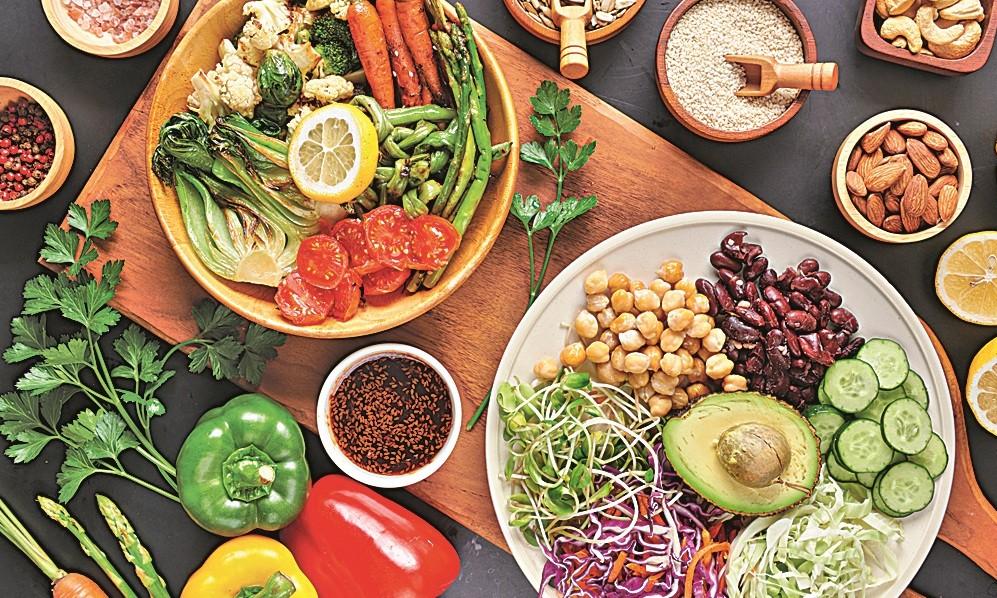
India's Protein Fixation: Fortified Food Trend Raises Nutrition Questions

Protein Moves Beyond Gyms Into Everyday Indian Nutrition
Why South India Is Becoming India’s Protein-Smartest Region

Why Indian Consumers Are Choosing Cleaner Whey Formulations
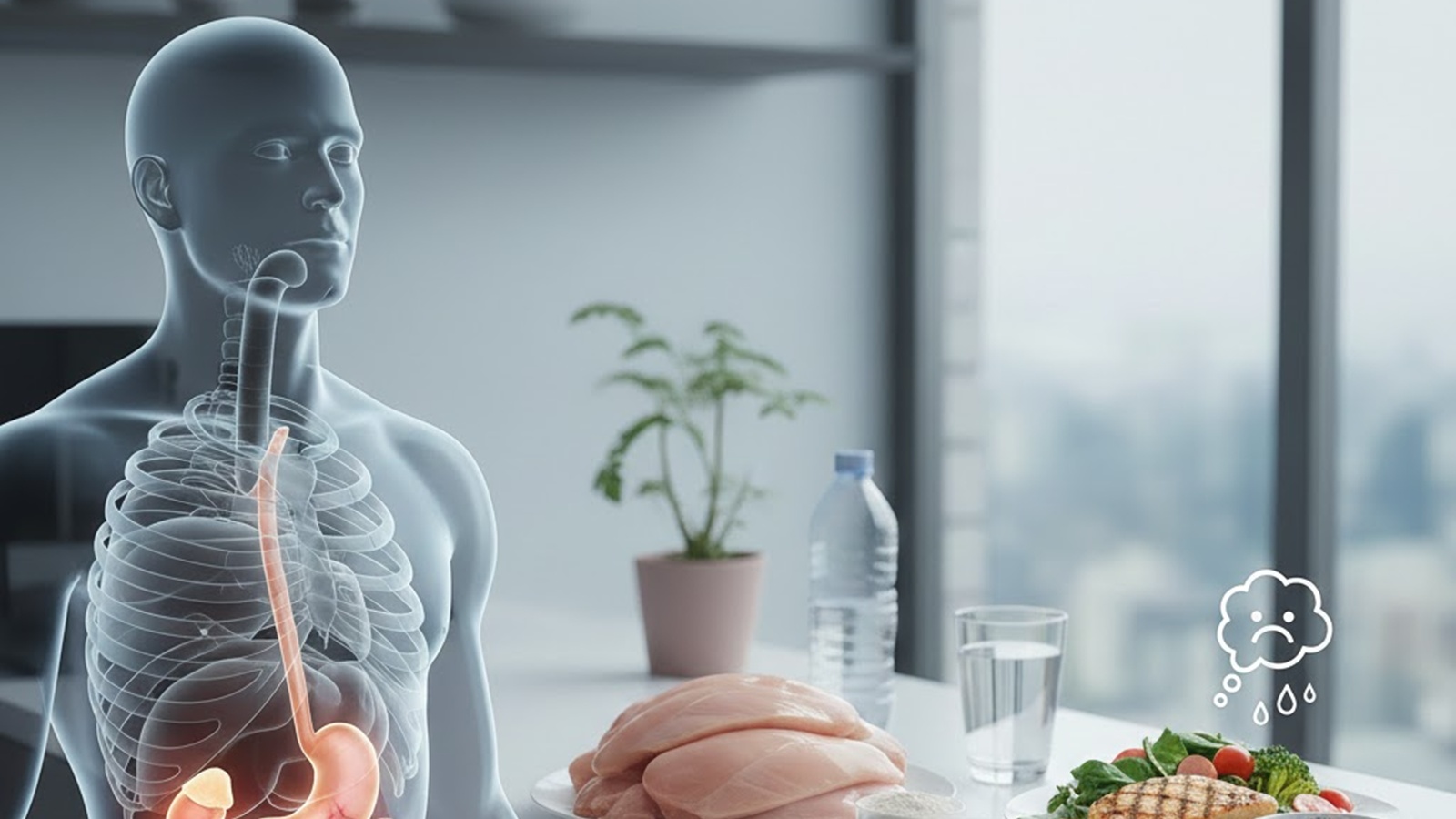
Excess Protein May Cause Digestive Symptoms and Stall Fat Loss

Indian Activists Challenge Proposed Food Warning Labels in Supreme Court

ADB Signs First India Advisory Pact with Madhya Pradesh

India and Luxembourg Highlight Growing Ties Amid Global Crisis

Supreme Court Protects Pension After Invalidating ST Certificate

Foreign University Campuses Offer New Study Abroad Alternative in India