1 hr ago
Doctors Warn Growing Injectable Peptide Trend May Carry Risks
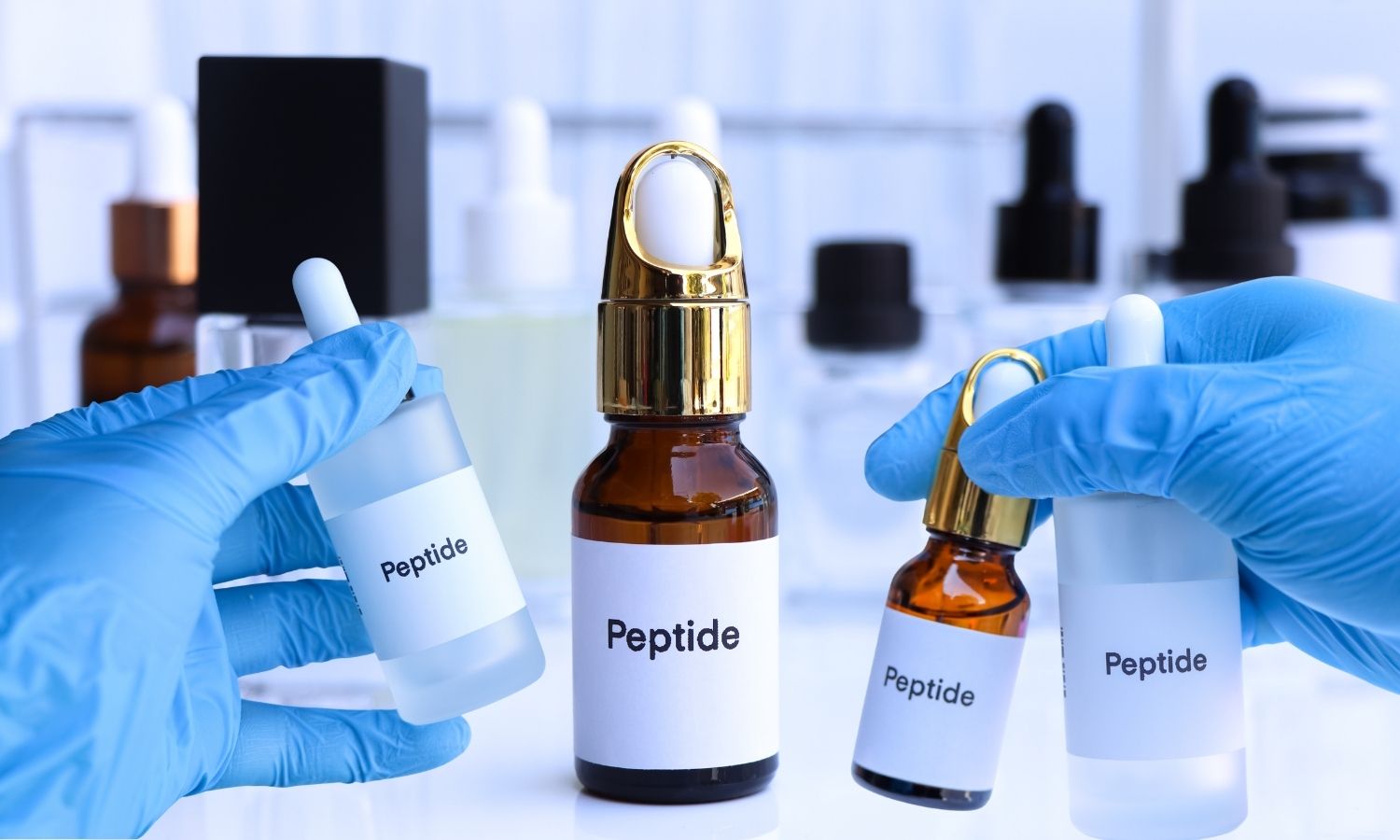
Peptides are small substances that send signals inside the body.
Some peptide medicines have been carefully tested and are used by doctors.
Other peptides promoted online have not been studied enough in people.
Doctors worry that people may use these products for weight loss, muscle recovery or ageing without medical advice.
They also worry that users may not know what is actually in an injectable product.
Mixing several peptides, called peptide stacking, could create additional risks.
A cancelled peptide event in Bengaluru showed how these products are spreading beyond regular medical settings.
Experts say people should rely on doctors and scientific evidence rather than social media claims.

Doctors warn that experimental injectable peptides are being promoted without enough human safety evidence.
Established medicines such as insulin, semaglutide and GLP-1 drugs should not represent all peptides.
A proposed Bengaluru “Peptide Party” was cancelled after regulatory intervention.
Experts are concerned about self-injection, uncertain product quality and combining multiple compounds.
Consumers are advised to consult doctors and verify products’ source, composition and regulatory status.
- Who
- Doctors and wellness experts, including specialists from AIIMS, Delhi, raised concerns about consumers using experimental peptides.
- What
- The growing use and promotion of injectable peptides for weight loss, muscle recovery, anti-ageing and longevity is prompting safety warnings.
- Where
- The trend and regulatory episode were discussed in India, particularly Bengaluru and AIIMS, Delhi.
- When
- The concerns emerged after a proposed Bengaluru “Peptide Party” was cancelled; no specific date was provided.
- Why
- Experts say some peptides lack adequate human evidence and may involve uncertain quality, unsafe self-injection, improper storage or unproven combinations.
Medical Caution
Evidence-Based Potential
Whether peptides should be broadly trusted
Medical Caution
Doctors warn that “peptide” is a biological and chemical category, not a guarantee of safety; experimental compounds should not be equated with approved medicines.
Evidence-Based Potential
Wellness practitioner Mugdha Pradhan said peptide biology has genuine scientific foundations and that some peptide therapies have important clinical applications.
Use outside conventional medical settings
Medical Caution
Experts oppose self-injection and reliance on influencers, anecdotes or online communities, particularly for products with uncertain composition or human safety data.
Evidence-Based Potential
The wellness perspective supports considering emerging therapies when the specific evidence, intended use and suitability for the individual are carefully assessed.
Claims of quick health benefits
Medical Caution
Doctors caution that peptides should not be treated as quick fixes for complex metabolic or ageing-related problems.
Evidence-Based Potential
Supporters of peptide-based treatment argue that the discussion should focus on the particular compound and its evidence rather than judging all peptides as either good or bad.
Key facts
- Established peptide medicines
- Insulin and GLP-1-based drugs, including semaglutide, have established medical applications.
- Experimental compounds
- Some peptides promoted online have limited human evidence and lack established safety or efficacy.
- Bengaluru event
- A proposed “Peptide Party” was cancelled following regulatory intervention.
- Main safety concerns
- Experts cited uncertain product contents, concentration, storage, dilution and administration.
- Peptide stacking
- Some users combine multiple compounds based on online fitness and biohacking recommendations.
- Medical advice
- Experts recommend consulting a qualified doctor and checking a product’s regulatory status, source, composition and intended use.
Quotes
Dr Ravinder Goswami
AIIMS Delhi endocrinology professor
“Peptide is a chemical and biological category, not a certificate of safety. Two peptides can have completely different mechanisms, indications, doses and adverse-effect profiles. A compound that looks promising in laboratory or animal studies cannot automatically be recommended for use in humans.”
 deccanchronicle.com
“The fact that semaglutide or another peptide-based drug works does not mean that every peptide being sold for weight loss, muscle recovery or longevity will have the same safety and efficacy.”
deccanchronicle.com
Aman Puri
Founder of sports and wellness brand Steadfast Nutrition
“The larger concern is when wellness trends start replacing evidence-based decision making. Consumers need to understand what they are taking, why they are taking it and whether there is credible human evidence behind the claim.”
deccanchronicle.com
Sources
Related news

Bengaluru Peptide Party Cancelled Amid Safety Concerns Over Wellness Craze
Bengaluru Peptide Party Cancelled After Food Regulator Notice

GLP-1 Patent Expiries Bring Affordable Access and Counterfeit Risks

Doctors Warn Against Treating Ozempic as a Weight-Loss Shortcut