1 hr ago
Study Finds Yellow Fever Mosquitoes Slightly Prefer Male Participants
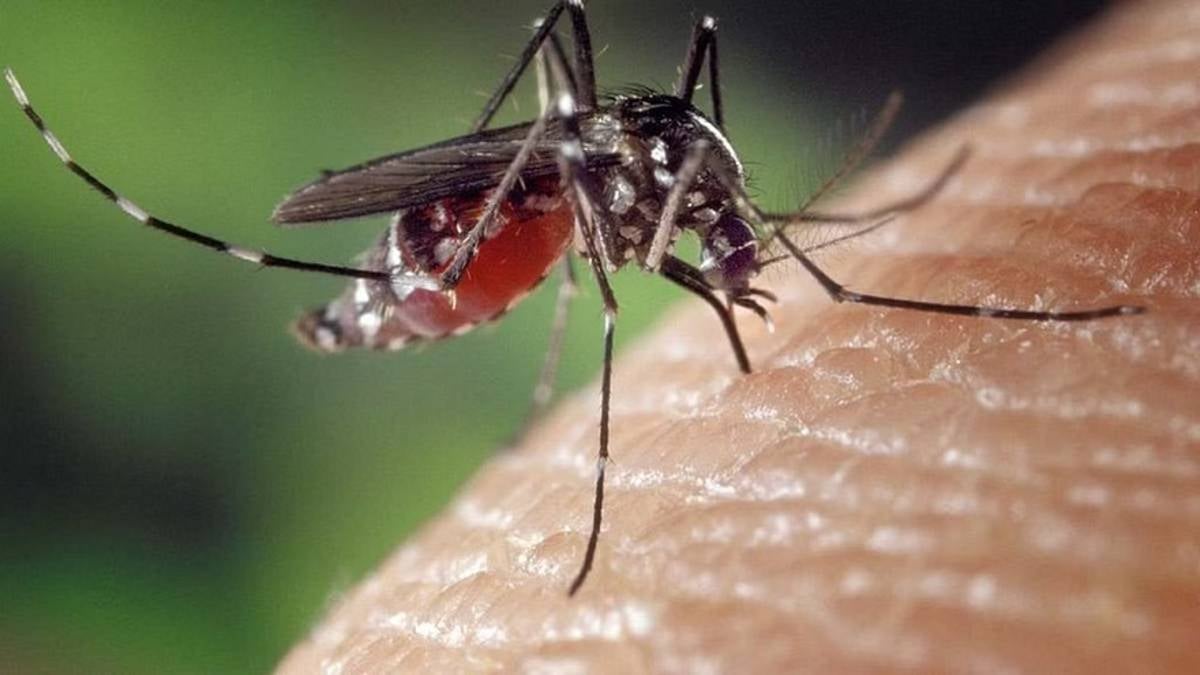
A study looked at whether mosquitoes are more drawn to some people than others.
Researchers tested three kinds of mosquitoes with 119 people.
The volunteers put an arm near a tube, and the scientists watched which way the mosquitoes flew.
Nobody was bitten.
One kind, the yellow-fever mosquito, was a little more attracted to male volunteers.
The other two kinds did not show the same preference.
The study also found links between mosquito attraction and bacteria that help make body odour.
The researchers said the findings might help people make better repellents.
They cautioned that a laboratory test may not show exactly what happens outdoors.

A Florida International University study tested how three mosquito species responded to 119 human participants.
Researchers counted mosquitoes flying toward volunteers’ arms through sealed tubes; no participants were bitten.
Aedes aegypti, the yellow-fever mosquito, was slightly more attracted to male than female participants.
Aedes albopictus and Culex quinquefasciatus showed no similar preference for men or women.
The researchers linked mosquito appeal to differences in skin bacteria and odours, but cautioned that lab results may not reflect real-world conditions.
- Who
- Florida International University researchers and 119 human participants.
- What
- A study tested the attractiveness of three mosquito species to human participants.
- Where
- In a controlled laboratory setting; the study involved participants from one city, which the article does not name.
- When
- Published August 21, according to the article; the year is not specified.
- Why
- To investigate differences in mosquito attraction that could help inform more effective repellents.
Key facts
- Study title
- “Individual humans are more attractive to certain mosquito species”
- Institution
- Florida International University
- Participants
- 119 human volunteers
- Mosquito species tested
- Aedes aegypti, Aedes albopictus, and Culex quinquefasciatus
- Gender-related finding
- Aedes aegypti was slightly more attracted to male than female participants; the other two species showed no such preference.
- Test method
- Researchers counted mosquitoes flying toward volunteers’ arms through a long sealed tube; participants were not bitten.
- Limitation
- The researchers said findings could differ in real-world conditions because the study was conducted in a controlled lab with people from one city.
Sources
Related news

ICMR Chief Warns Dengue Mosquitoes Breed Around Homes
Mosquito Toilet Uses Insect Waste to Detect Local Viruses

Dengue Harder to Control as Mosquitoes Spread
Bangladesh Considers Dengue Vaccine Trials After 281 Deaths
Experts Warn Against Excessive Use of Indoor Mosquito Repellents

ASHA Workers Share Six Ways to Prevent Dengue and Malaria

World's youngest male professor teaches engineering at Miami Dade College