2 hrs ago
Experts Warn Against Excessive Use of Indoor Mosquito Repellents
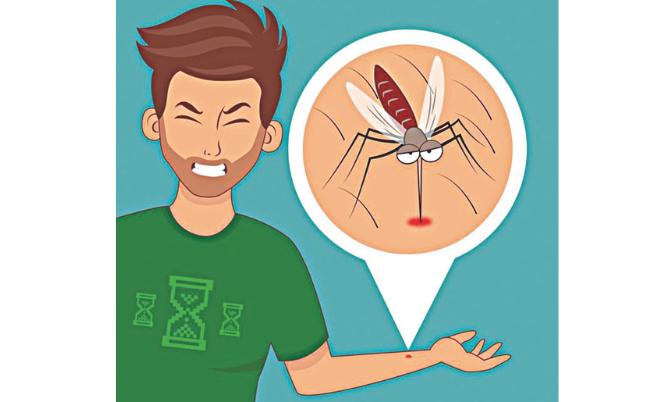
Mosquitoes can spread illnesses, so people use different products to keep them away.
Some repellents are burned, like coils and incense sticks.
Their smoke can bother the nose, throat and lungs, especially in a closed room or for someone with asthma.
Liquid vapourisers do not make smoke in the same way, but they still put chemicals into the air.
Skin repellents should be used as directed, and using more does not necessarily give better protection.
Do not put them on cuts or near the eyes and mouth.
Washing treated skin after mosquitoes are no longer a concern is a sensible precaution.
Screens, clothing and mosquito nets can also help keep mosquitoes away.

Burning mosquito coils and incense-based repellents release smoke, fine particles and other compounds into indoor air.
Prolonged use in enclosed or poorly ventilated rooms may irritate airways, especially in people with asthma or other sensitivities.
Liquid vapourisers do not burn fuel and produce less visible particulate pollution, but still release insecticidal chemicals.
Topical repellents should be applied only to exposed skin, used as directed and kept away from wounds, eyes and mucous membranes.
Screens, suitable clothing and mosquito nets can help prevent bites and reduce reliance on repellents.
- Who
- People using mosquito repellents; pulmonologist Dr. Pallavi Periwal and dermatologist Dr. Vijay Kumar Lingapuram offer guidance.
- What
- Experts warn about excessive or improper exposure to mosquito repellents and recommend safer use and physical barriers.
- Where
- Homes and offices, particularly small or poorly ventilated rooms.
- When
- The advice concerns routine and prolonged use, including continuous use in enclosed spaces.
- Why
- Some repellents can expose people to smoke, particles or insecticidal chemicals that may irritate airways or skin.
Key facts
- Smoke-producing products
- Mosquito coils and incense-based repellents involve combustion and release smoke, fine particulate matter and other compounds.
- Liquid vapourisers
- They do not involve combustion and generally produce less visible particulate pollution, but still release insecticidal chemicals.
- Potential respiratory symptoms
- Exposure may be associated with coughing, throat irritation, headache, chest discomfort or breathlessness.
- Topical application
- Apply only to exposed skin; avoid cuts, wounds, irritated skin, eyes, lips and other mucous membranes.
- Face application
- Spray onto the hands first, then apply to the face; do not spray directly onto it.
- Non-chemical measures
- Window and door screens, appropriate clothing and mosquito nets can reduce mosquitoes' access to skin.
Quotes
Dr. Vijay Kumar Lingapuram
Consultant dermatologist, hair transplant surgeon and aesthetic physician
“Products such as mosquito coils and incense-based repellents involve combustion and release smoke, fine particulate matter and various other chemical compounds into indoor air.”
 deccanchronicle.com
“What matters is what product is being used, its concentration, how much is being used, how long it remains in contact with the body and how it is being used.”
deccanchronicle.com
Sources
Related news

Baba Ramdev’s Ayurvedic Hookah Claims Draw Health Warnings, Online Mockery

ICMR Chief Warns Dengue Mosquitoes Breed Around Homes

Delhi Pollution Season Calls for Safer Outdoor Exercise Choices

ASHA Workers Share Six Ways to Prevent Dengue and Malaria

VENUS V-90 V Mask Highlights Comfort and Industrial Protection