

2 weeks ago
India’s Great Nicobar Port Faces Competition and Environmental Questions
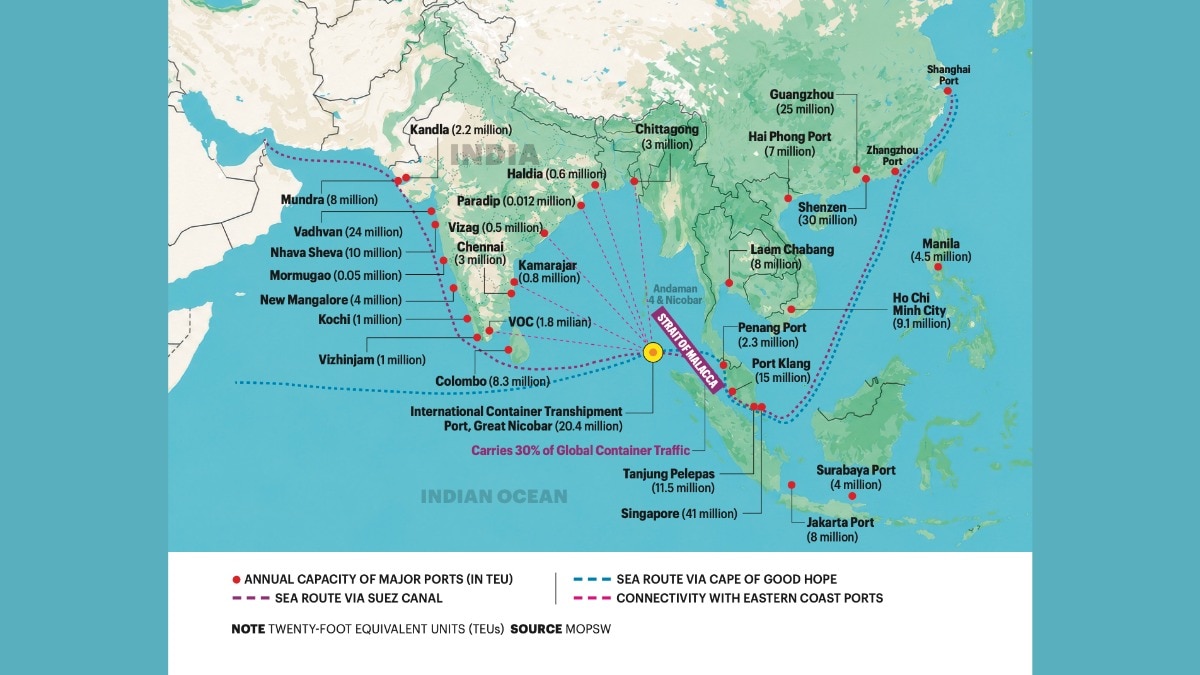
India wants to build a very large container port at Galathea Bay on Great Nicobar Island.
The port would help move containers between ships instead of sending them through foreign ports.
The government says the site is close to the Strait of Malacca, an important shipping route.
This could help India keep more shipping business and money at home.
However, Singapore, Port Klang and Colombo are already major transshipment hubs.
Some experts also say India’s Vizhinjam port may compete for the same cargo.
The project would be built in two phases and could take up to 35 years to complete.
Building it could require cutting about one million trees in a protected rainforest.
There are also concerns about the Shompen and Nicobari communities living on the island.

The proposed Rs 99,000 crore ICTP at Galathea Bay would have 20.4 million TEUs of capacity.
The government says its location near the Strait of Malacca could shift cargo from Singapore, Port Klang and other foreign hubs.
Officials estimate that nearly 75% of India’s transshipment cargo currently moves through foreign ports, causing about $200 million in annual foreign-exchange outflow.
Critics question whether Galathea Bay can attract shipping lines, particularly as Vizhinjam and other Indian ports also target transshipment traffic.
The project could involve clearing about one million trees in protected rainforest and affect Shompen and Nicobari communities.
- Who
- The Indian government, Kamarajar Port Ltd, private-sector partners and shipping lines are involved or expected to be involved.
- What
- A proposed International Container Transshipment Port at Galathea Bay, with planned capacity of 20.4 million TEUs.
- Where
- Galathea Bay on Great Nicobar Island, near the Strait of Malacca.
- When
- The project is planned in two phases and is expected to be completed over 35 years; a PPPAC appraisal meeting was held on March 19, with the year unspecified.
- Why
- The government aims to reduce India’s reliance on foreign transshipment hubs, retain foreign exchange and strengthen India’s commercial and strategic position in the Indian Ocean region.
Government and project supporters
Critics and competing-port concerns
Ability to attract shipping lines
Government and project supporters
The government says Galathea Bay is closer to the Strait of Malacca than Singapore and Port Klang, offering potential logistics-cost savings. It also says competitive tariffs and a strong port ecosystem can attract transshipment traffic.
Critics and competing-port concerns
The Public Private Partnership Appraisal Committee questioned whether the port can compete with established hubs such as Singapore, Colombo and Port Klang and attract shipping lines.
Relationship with Indian ports
Government and project supporters
The shipping ministry says Galathea Bay would mainly serve east-coast, Southeast Asian and east-bound traffic, while Vizhinjam is expected to focus primarily on west-coast traffic.
Critics and competing-port concerns
Allcargo’s Ravi Jakhar says Galathea Bay has no gateway-cargo catchment area and could compete with Vizhinjam, which he says is already large enough to handle India’s transshipment load.
Strategic benefits versus environmental costs
Government and project supporters
Supporters say the port would strengthen India’s ability to monitor maritime trade and military movements near a major regional chokepoint and provide a stronger economic and military base.
Critics and competing-port concerns
Environmental and tribal-rights concerns focus on construction in protected rainforest, the planned clearing of about one million trees and potential effects on the Shompen and Nicobari communities.
Key facts
- Estimated cost
- Rs 99,000 crore
- Planned capacity
- 20.4 million TEUs
- Current foreign-port dependence
- Nearly 75% of India’s transshipment cargo
- Estimated annual outflow
- About $200 million in foreign exchange
- Distance from Malacca Strait
- About 40 nautical miles
- Ownership structure
- At least 55% Indian-owned and controlled, with major ports holding an aggregate 45% stake
- Environmental impact
- The government plans to clear approximately one million trees, with compensatory afforestation in Haryana and Madhya Pradesh
Quotes
Admiral Swaminathan
Chief of the Indian Navy
“"About 5 million TEUs get transshipped (both import and export) through foreign ports, and of this, three million TEUs are transshipped through the east. It makes a lot of sense to build ICTP, Galathea Bay, if you see from this perspective that three million TEUs is a big number."”
 businesstoday.in
“"We are crucially dependent on the sea for economic well-being. Sea lanes are important for strategic stability. Safety and stability at sea cannot be taken for granted."”
businesstoday.in
Sources
Related news
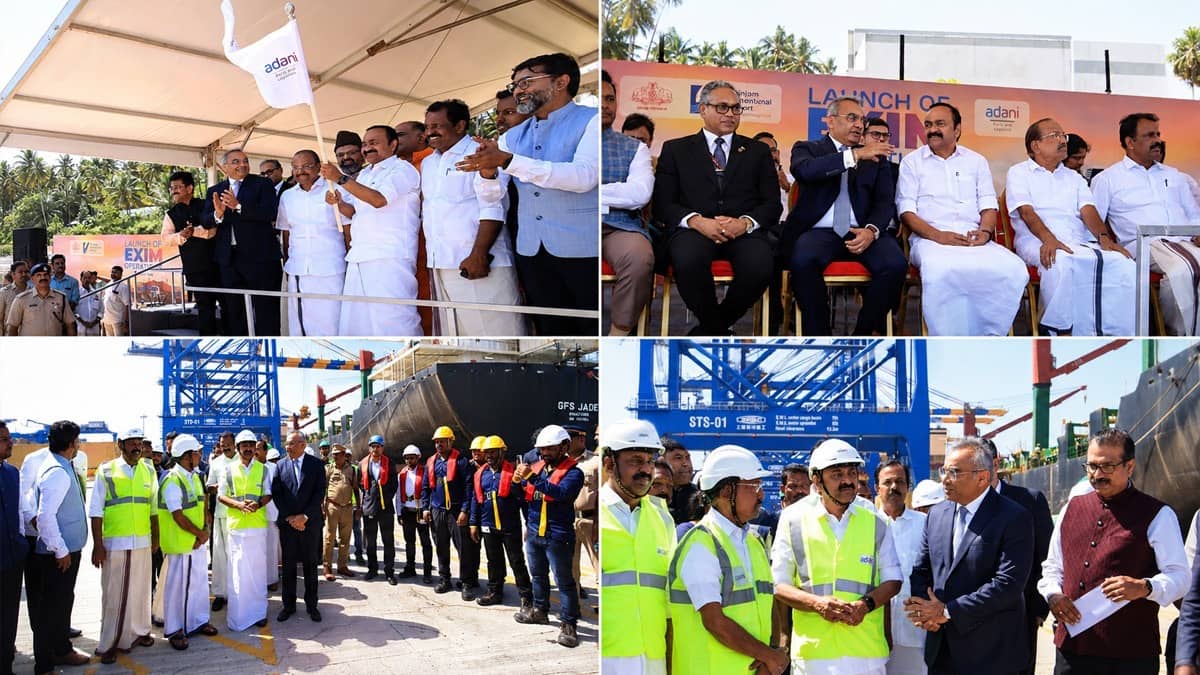
Vizhinjam Port Begins EXIM Operations as India’s Global Trade Gateway

Kerala's Vizhinjam Port Enters New Phase With EXIM Operations
India Plans 100 Ships to Reduce Foreign Freight Dependence
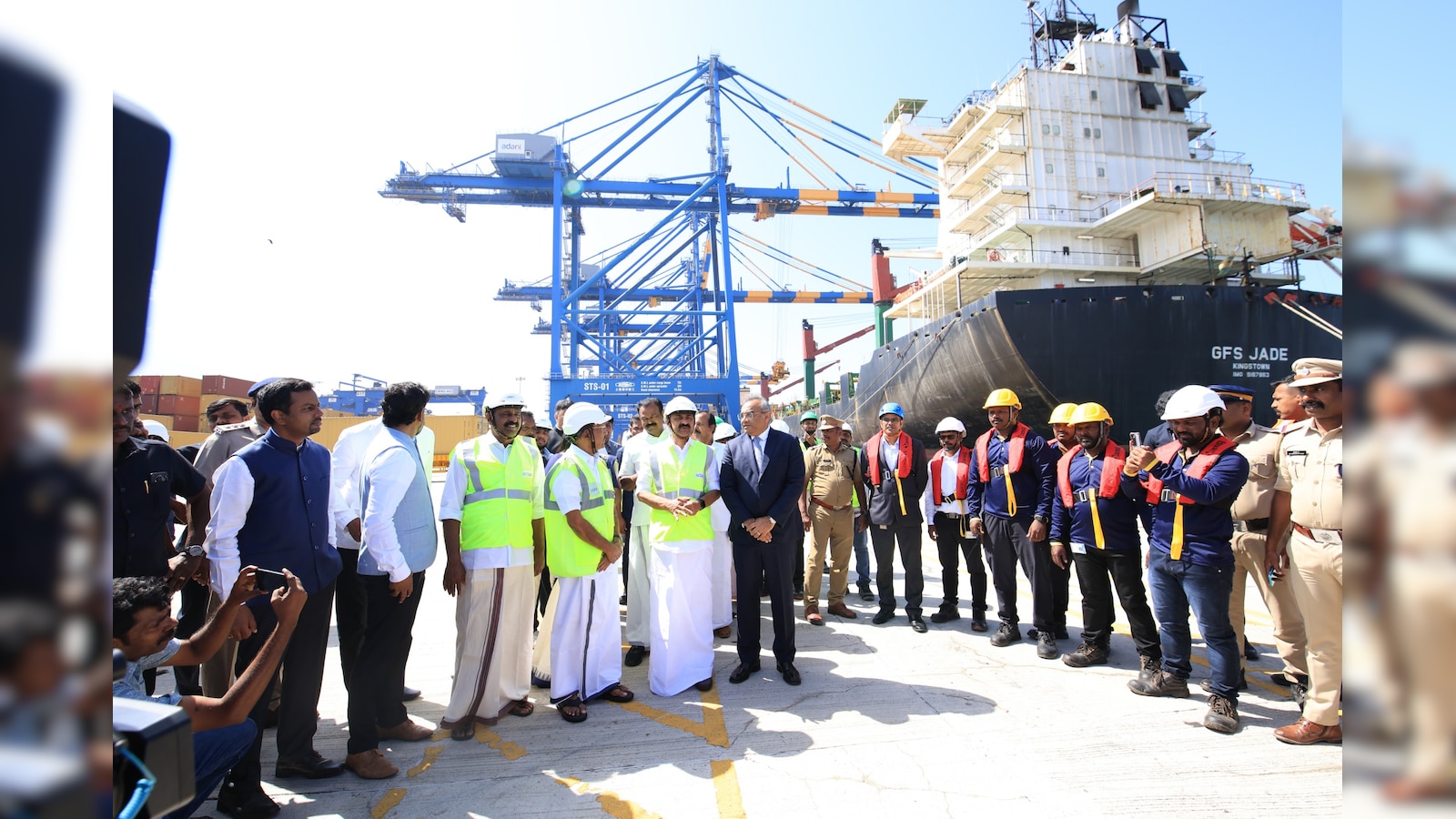
Vizhinjam Port Begins EXIM Operations, Launches Mission Samudra

India Builds Resilient Trade Networks Around Maharashtra Maritime Hub

Kamarajar Port Tenders ₹4,288-Crore Second Container Terminal

JNPA Climbs to 21st Among World’s Top Container Ports

India’s Maritime Expansion Creates Dredging Opportunities for Two Stocks
Rs 334.89-Crore Flyover Approved to Ease Visakhapatnam Port Traffic

UPSC Opens Applications for 34 Government Posts Across Departments
