3 weeks ago
Is permanent settlement the only path for pastoral development?
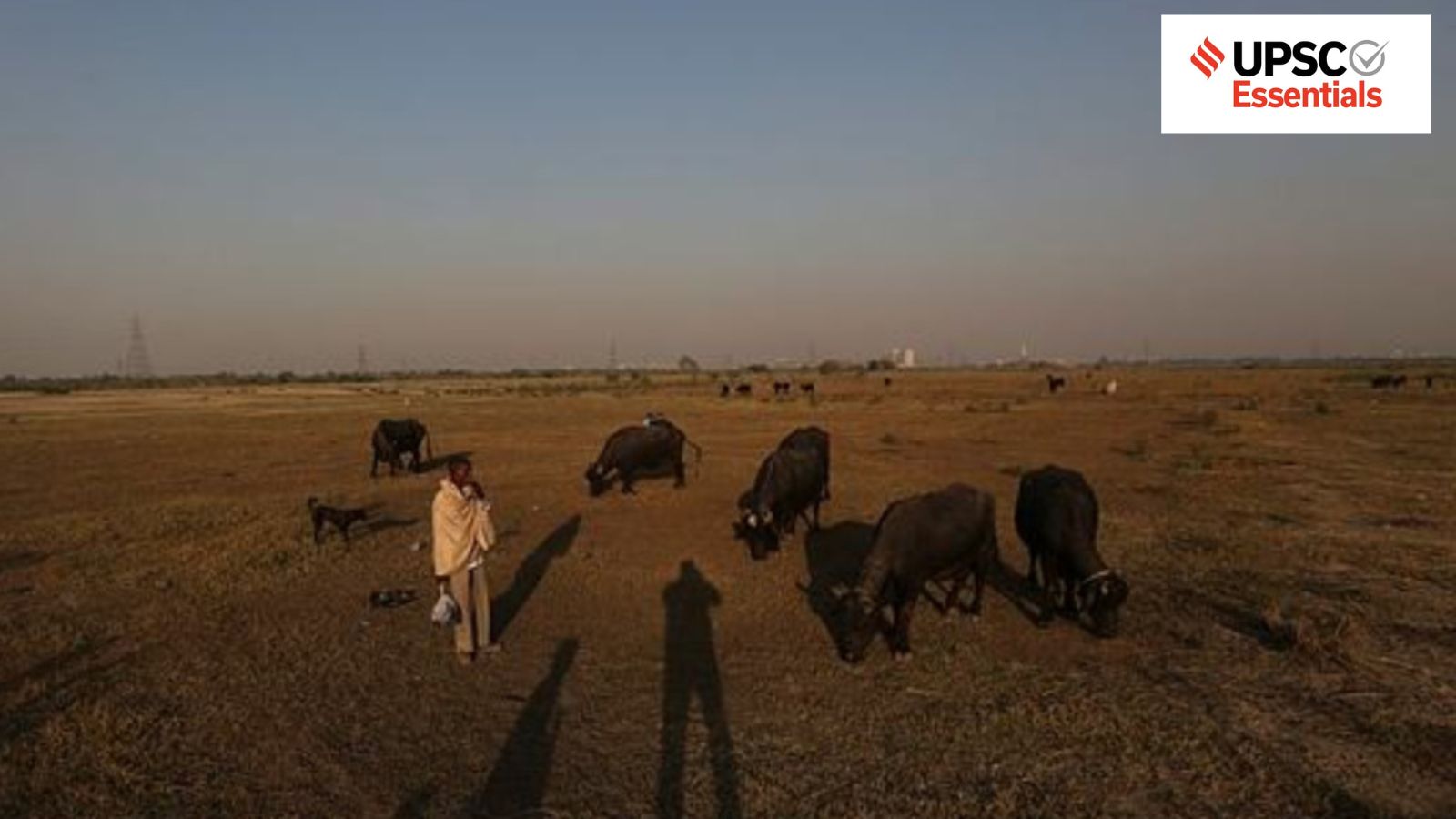
Pastoralists are people who move from place to place with their animals to find fresh grass and water.
In India, many families raise sheep, goats, cattle, camels and yaks this way.
Some move to high mountain pastures in spring and return before winter.
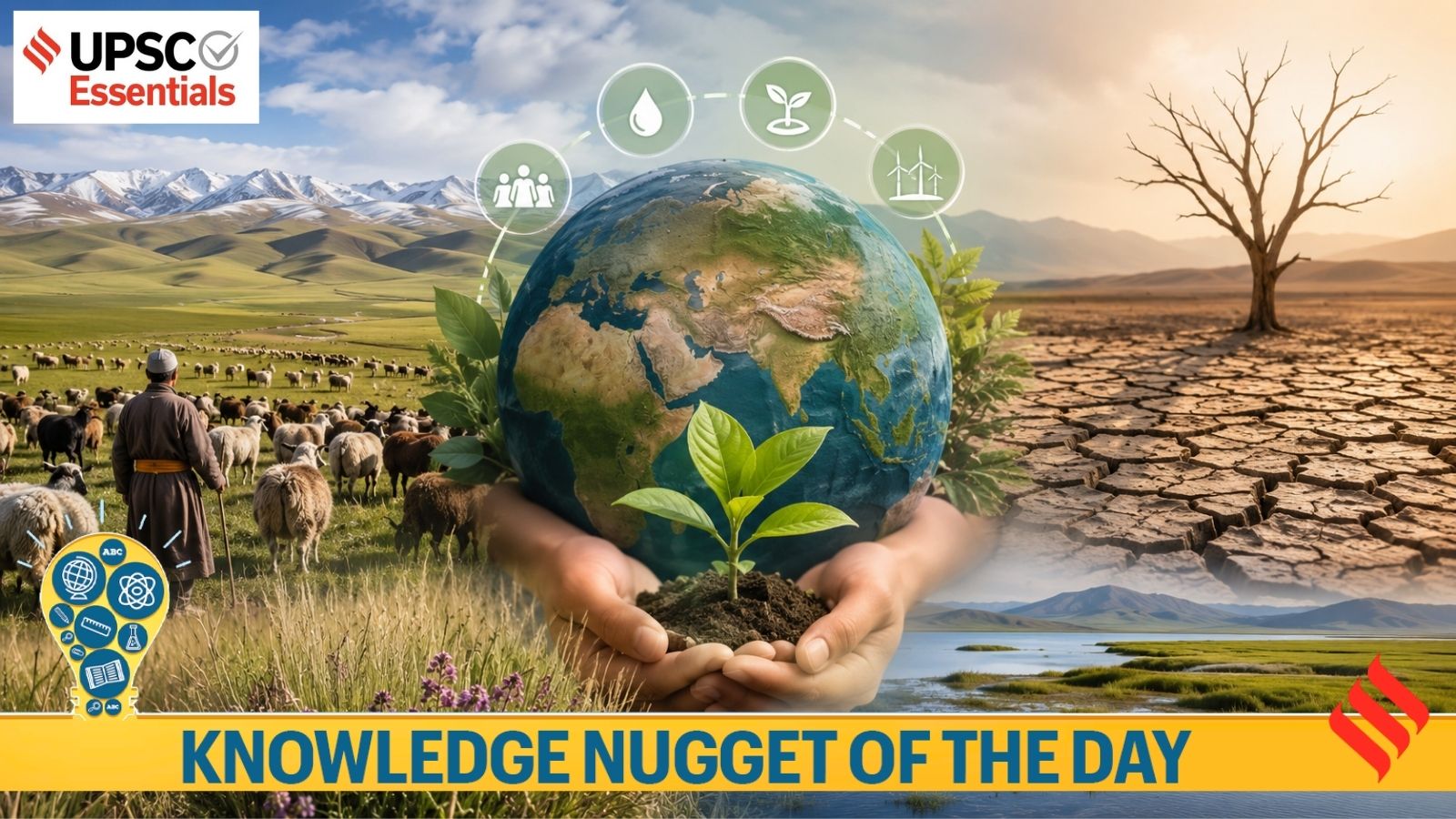
In 2026, the United Nations General Assembly is celebrating the International Year of Rangelands and Pastoralists to draw attention to these communities.
Rangelands are big natural areas where animals graze, and they cover almost half of the Earth's land.
These lands are important because they store water and carbon and give homes to many animals.
But moving families face problems: their routes are blocked, weather changes, and schools and hospitals are set up for people who stay in one place.
Because they move, children may miss school and animals may miss vaccinations.
The article says governments should make services portable, like a card that lets families get food rations anywhere in India.
Moving around should not mean losing access to help.

The United Nations General Assembly (UNGA) has designated 2026 as the International Year of Rangelands and Pastoralists (IYRP), with the World Day theme 'Rangelands: Recognize. Respect. Restore.'
Rangelands, which cover nearly half of the Earth's land surface, support livestock and wild herbivores while storing carbon and protecting soil and water cycles.
India's drylands span about 228 million hectares, and 97.85 million hectares (29.77 per cent of the country's geographical area) are affected by land degradation and desertification.
India's pastoralists include nomadic communities such as the Raikas and Rabaris, transhumant groups like the Gujjar-Bakarwals, Gaddis, Changpas and Van Gujjars, and agro-pastoral Dhangars.
The article proposes 'portable governance' — building on the One Nation One Ration Card — so seasonal movement does not interrupt education, health, nutrition or veterinary services.
- Who
- India's pastoral communities — including the Raikas, Rabaris, Gujjar-Bakarwals, Gaddis, Changpas, Van Gujjars and Dhangars — and the United Nations, which designated 2026 as the International Year of Rangelands and Pastoralists.
- What
- A policy analysis asking whether permanent settlement is the only development path for pastoralists and proposing 'portable governance' so seasonal movement does not interrupt access to public services.
- Where
- India, including an event in New Delhi; rangelands span the Himalayas, Ladakh, western India and the Deccan Plateau.
- When
- 2026, the International Year of Rangelands and Pastoralists; the World Day to Combat Desertification and Drought is observed annually on June 17.
- Why
- Pastoral livelihoods face shrinking routes and grazing areas, climate uncertainty, animal health and market risks, and public services organised around fixed addresses fail to reach mobile families.
Supporting mobile pastoralism
Permanent settlement as development
Path to development
Supporting mobile pastoralism
Permanent settlement should not be assumed the only route to development; mobility remains economically, culturally and ecologically viable for many families.
Permanent settlement as development
Development is assumed to require permanent settlement, which makes organising education, healthcare and other services around fixed addresses straightforward.
Grazing and the environment
Supporting mobile pastoralism
Grazing is beneficial and rangelands should be recognised and respected for supporting livestock, biodiversity and climate resilience.
Permanent settlement as development
Pastoralism is not automatically sustainable; grazing can harm land when routes are blocked and animals are concentrated in smaller spaces.
Public service delivery
Supporting mobile pastoralism
Services should be 'portable' and follow mobile citizens across district boundaries so movement does not interrupt entitlements.
Permanent settlement as development
Services are delivered through territorial jurisdictions, linking each person to a village, school, health centre, ration shop, panchayat or district.
Key facts
- International designation
- 2026 is the International Year of Rangelands and Pastoralists; World Day theme is 'Rangelands: Recognize. Respect. Restore.'
- World Day
- World Day to Combat Desertification and Drought, observed annually on June 17
- Rangeland coverage
- Nearly half of the Earth's land surface
- India's drylands
- About 228 million hectares
- Land degradation in India
- 97.85 million hectares (29.77 per cent of geographical area)
- Key law
- Forest Rights Act, 2006 — Section 3(1)(d) recognises settled and transhumant grazing rights and seasonal resource access of pastoralist communities
- Portable governance example
- One Nation One Ration Card system
- Author
- Dr. Abdul Khabir, Deputy Director, Tribal Affairs Department, Government of Jammu and Kashmir
Sources
Related news
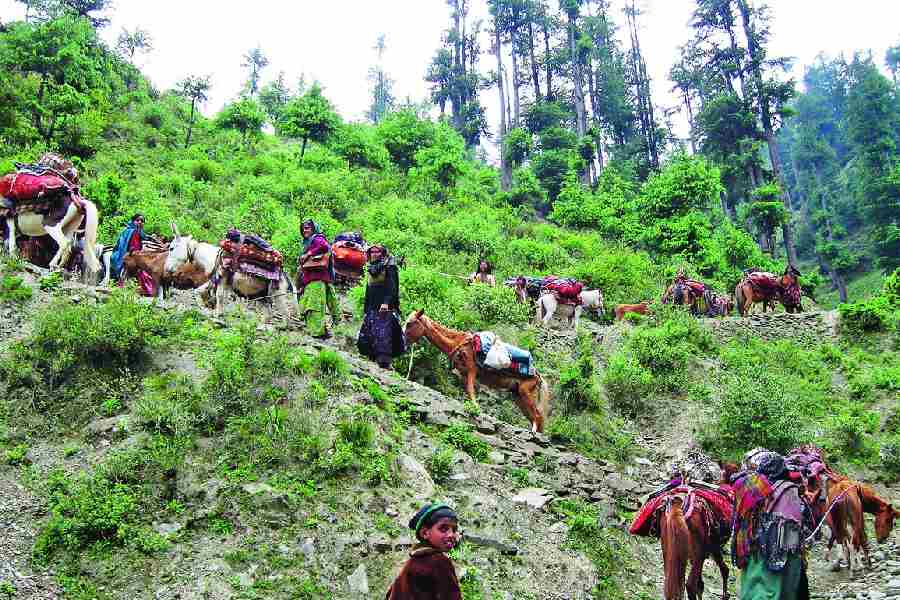
Pastoralists Safeguard India’s Rangelands Despite Persistent Policy Marginalisation

India urges community-led rangeland restoration at UNCCD CoP17
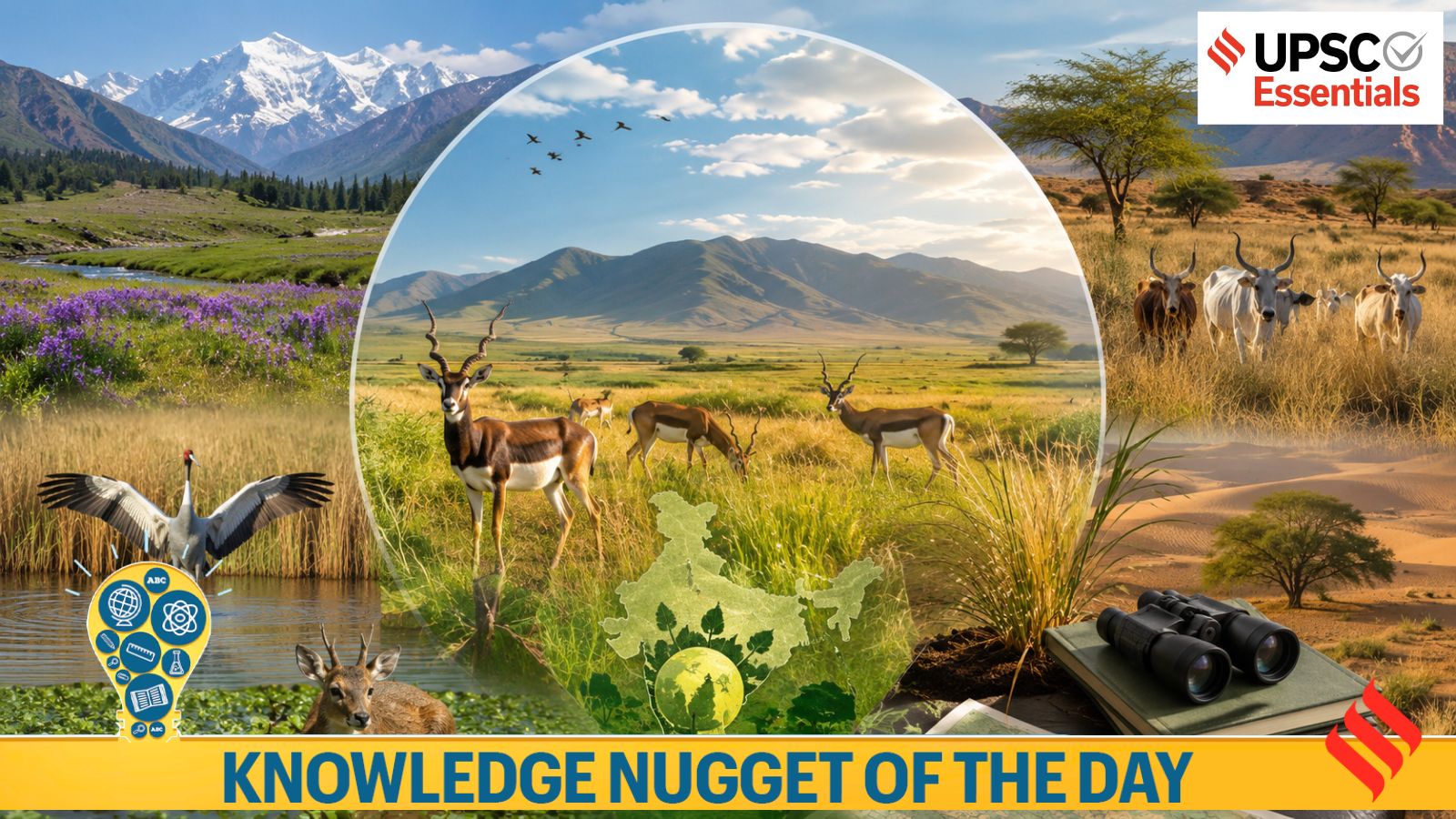
India Launches First Grasslands Guide, Highlights Open Ecosystems

Camel Herder's Award-Winning Fight to Protect Thar Grassland
UNCCD CoP 17 Highlights Grassland Restoration and Drought Resilience

Rewilding Banni Grassland Can Empower the Maldhari Community

Rival NC-BJP Protests Roil J&K as Police Halt Marches
Omar Abdullah Alleges Unequal Treatment of Srinagar Political Protests

BJP, National Conference Hold Rival Protests Across Srinagar Streets
ISI Reduces Local Recruitment in J&K

BJP Protests NC Govt Over Unemployment, Price Hike in J&K