2 weeks ago
India Launches First Grasslands Guide, Highlights Open Ecosystems
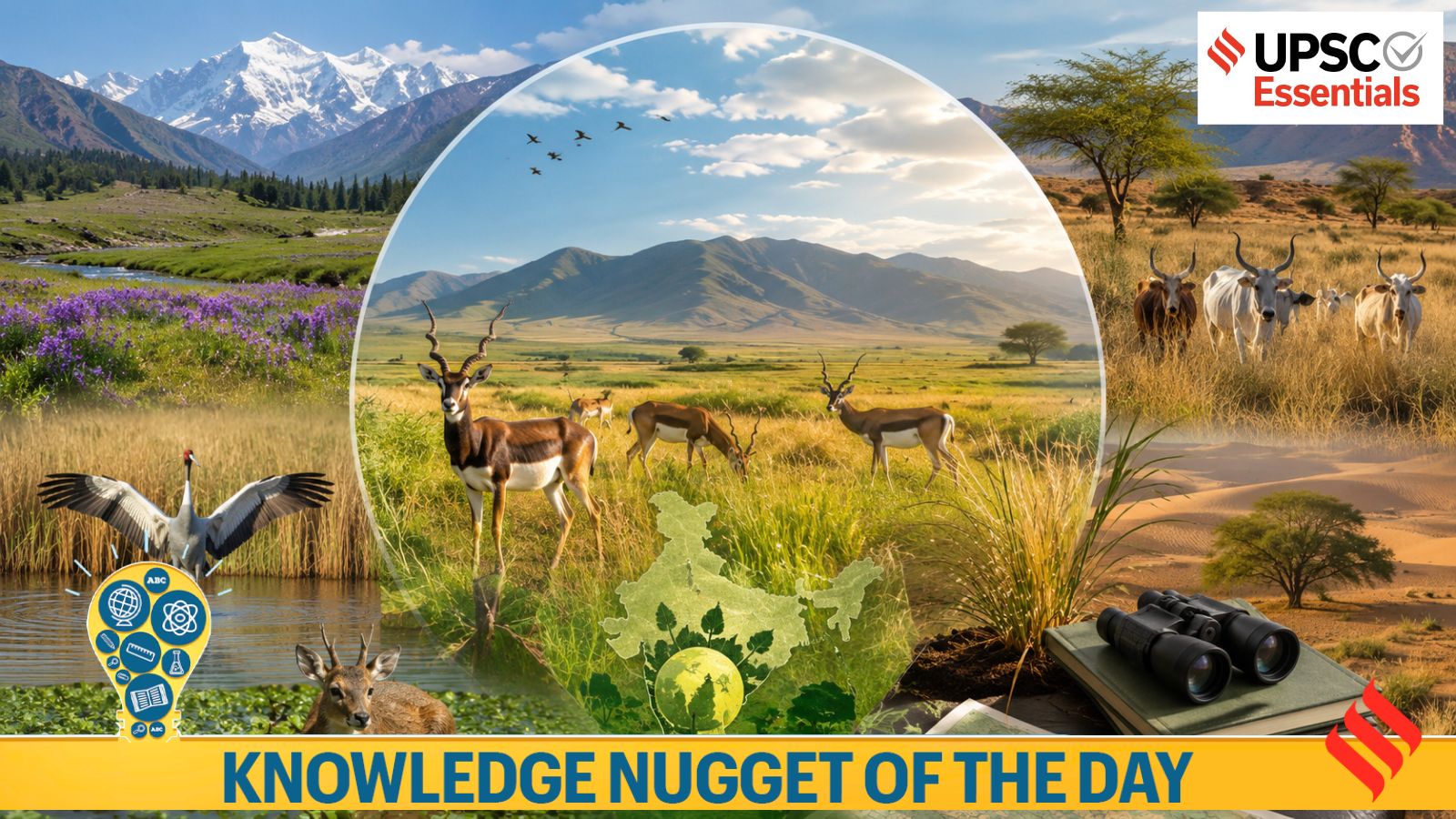
India has made its first detailed guide about grasslands and other naturally open places.
The guide was launched at a United Nations desertification meeting in Mongolia on August 17, 2026.
It describes places such as savannas, meadows, scrublands, deserts and coastal areas.
These ecosystems are homes for many plants, animals, birds and local communities.
Some people mistakenly call grasslands damaged forests or wastelands, but many are natural habitats with their own wildlife.
Grasslands can store carbon, protect soil, recharge groundwater and support pollinators.
The guide also explains pastoralism, fire and how these ecosystems store carbon.
India says the guide can help governments, scientists and communities conserve and restore these landscapes.
A separate report said India restored 21.76 million hectares of degraded and deforested land between 2011 and 2020.

India launched its first Guide to Grasslands and Other Open Natural Ecosystems at UNCCD COP17 in Ulaanbaatar on August 17, 2026.
The guide covers savannas, scrublands, semi-arid regions, meadows, deserts, plateaus, coastal ecosystems and other naturally open habitats.
It documents the geography, ecology, biodiversity and associated communities of India’s open ecosystems, including pastoralism, fire ecology and carbon sequestration.
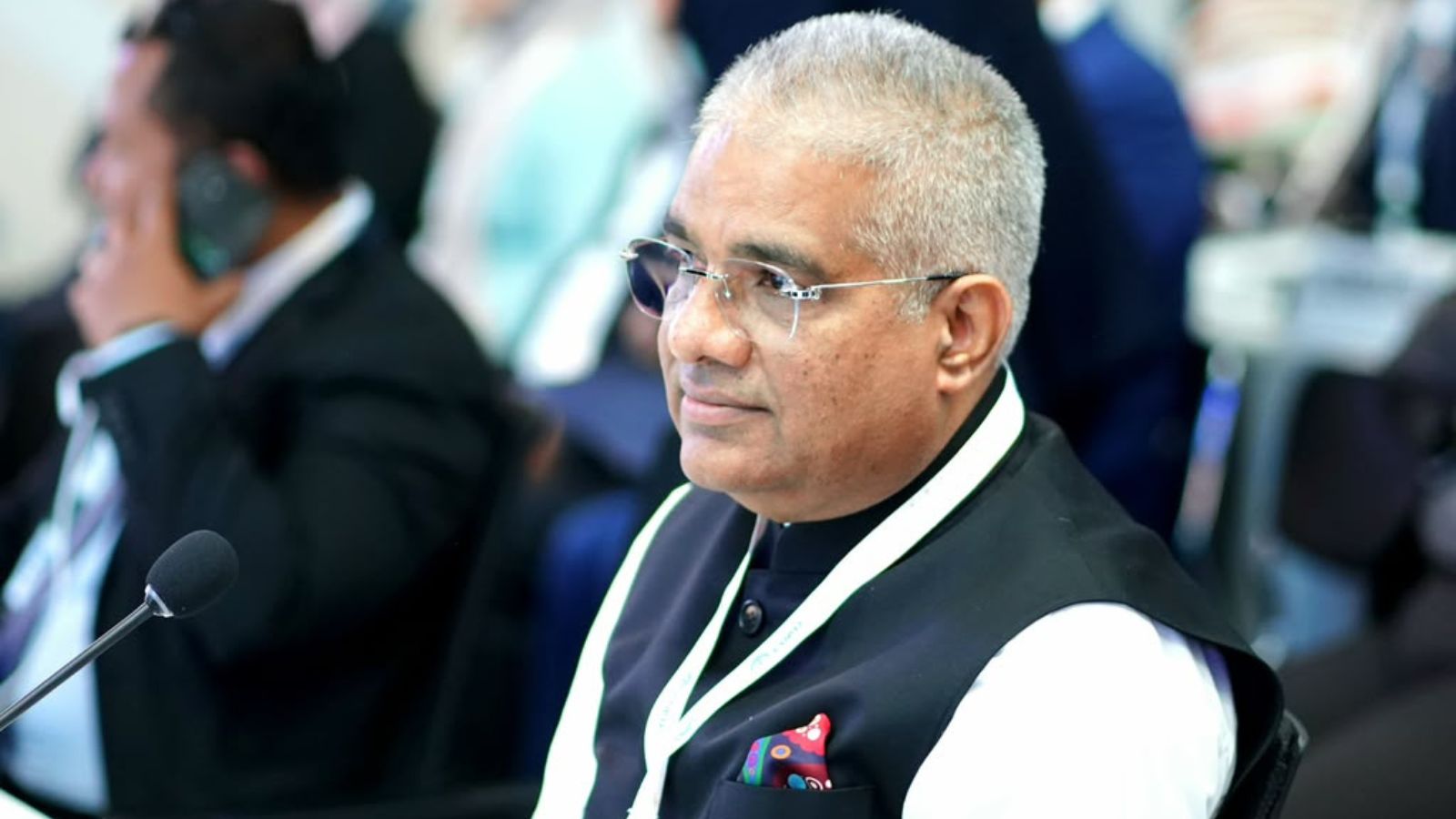
Environment Minister Bhupender Yadav said science-based conservation of open ecosystems alongside forests supports land-degradation neutrality and sustainable land management.
A related Bonn Challenge report said India restored 21.76 million hectares of degraded and deforested land between 2011 and 2020, sequestering an estimated 461.14 million tonnes of carbon.
- Who
- India, with Environment Minister Bhupender Yadav addressing the launch virtually.
- What
- India launched its first comprehensive Guide to Grasslands and Other Open Natural Ecosystems.
- Where
- The guide was launched at the UNCCD COP17 summit in Ulaanbaatar, Mongolia.
- When
- August 17, 2026; a related Bonn Challenge progress report was released on June 17, 2026.
- Why
- To improve recognition, conservation, restoration and sustainable management of India’s grasslands and other open ecosystems, and to support land-degradation neutrality.
Ecological Recognition
Traditional Misclassification
How open ecosystems are understood
Ecological Recognition
Ecologists and the guide present many grasslands and other open ecosystems as naturally occurring habitats with distinct biodiversity and ecological value.
Traditional Misclassification
Grasslands are often mistakenly treated as degraded forests or wastelands.
Conservation approach
Ecological Recognition
Bhupender Yadav and the guide support science-based, landscape-level conservation of open ecosystems alongside forests.
Traditional Misclassification
The articles identify the prevailing forest-centered or degradation-based view as overlooking the separate ecological importance of open habitats.
Key facts
- Guide
- Guide to Grasslands and Other Open Natural Ecosystems of India
- Launch event
- 17th Session of the Conference of the Parties to the United Nations Convention to Combat Desertification
- Habitats covered
- Himalayan and Terai grasslands, Thar and Banni landscapes, rocky plateaus, ravines, scrublands, Deccan savannas, coastal ecosystems and desert landscapes
- Topics included
- Geographical settings, ecological characteristics, biodiversity, associated communities and tribes, pastoralism, fire ecology and carbon sequestration
- Ecosystem benefits
- Carbon storage, soil conservation, groundwater recharge, chemical recycling, climate regulation and support for pollinators and wildlife
- Restoration progress
- India restored 21.76 million hectares of degraded and deforested land between 2011 and 2020, according to the second Bonn Challenge progress report
- Carbon estimate
- The restoration was estimated to sequester 461.14 million tonnes of carbon, including an accounting of plantation mortality
- 2030 pledge
- India’s Bonn Challenge restoration target was revised to 26 million hectares by 2030
Quotes

Bhupender Yadav
India’s Union Cabinet Minister for Environment, Forest and Climate Change
“Virtually addressed the side event on the launch of the first-ever Guide to Grasslands and Other Open Natural Ecosystems (ONEs) of India at the UNCCD COP17 in Ulaanbaatar, Mongolia today.”
 freepressjournal.in
Sources

Related news
UNCCD CoP 17 Highlights Grassland Restoration and Drought Resilience

India urges community-led rangeland restoration at UNCCD CoP17
Gujarat releases 20 blackbucks in Banni Grasslands on Independence Day
Land Restoration Called Investment in Food, Water and Livelihoods
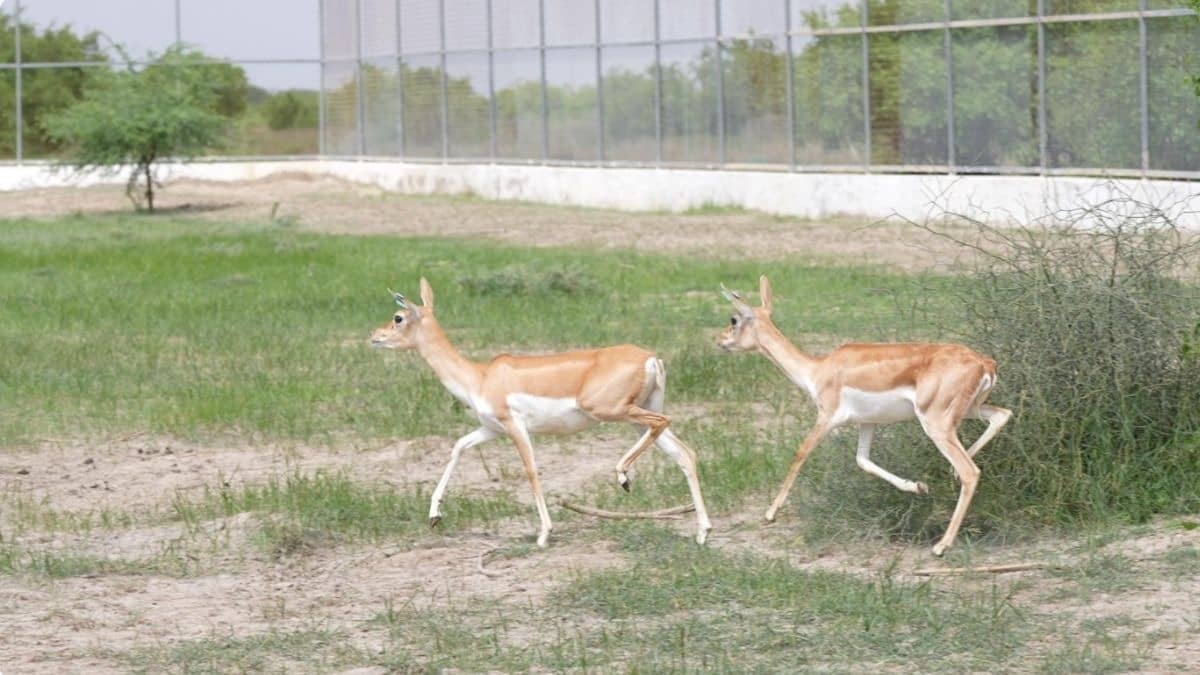
20 Blackbucks Rewilded in Banni Grassland to Restore Native Wildlife

Banni Grassland Revival Could Elevate Kutch’s Global Tourism Profile

Bihar Warns Against Unknown Fish Carried By Nepal Floodwaters
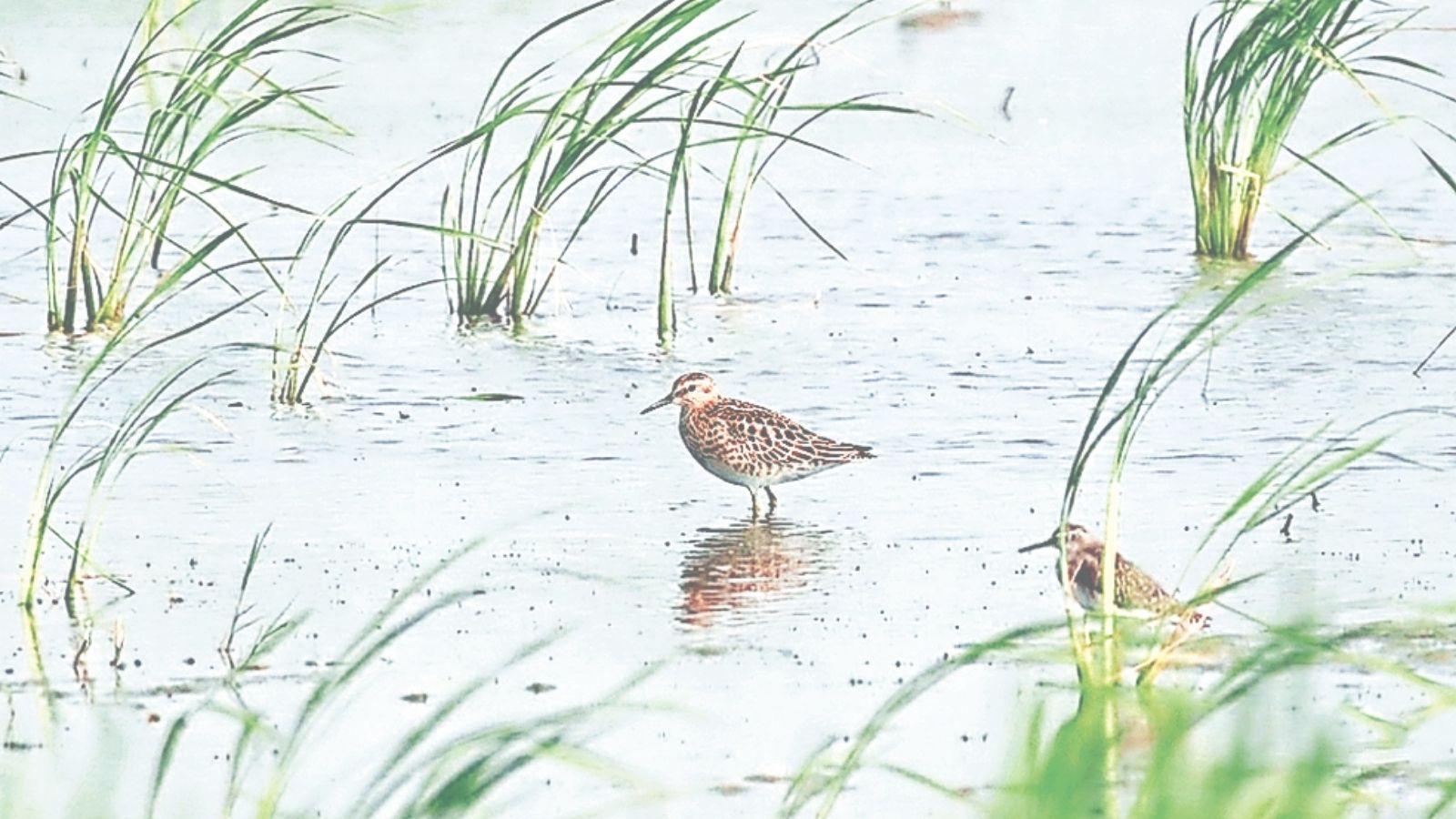
Rare Sharp-Tailed Sandpiper Spotted at Najafgarh in Fifth Indian Record

Ecologists Seek Marine National Parks Along Andhra Pradesh Coast
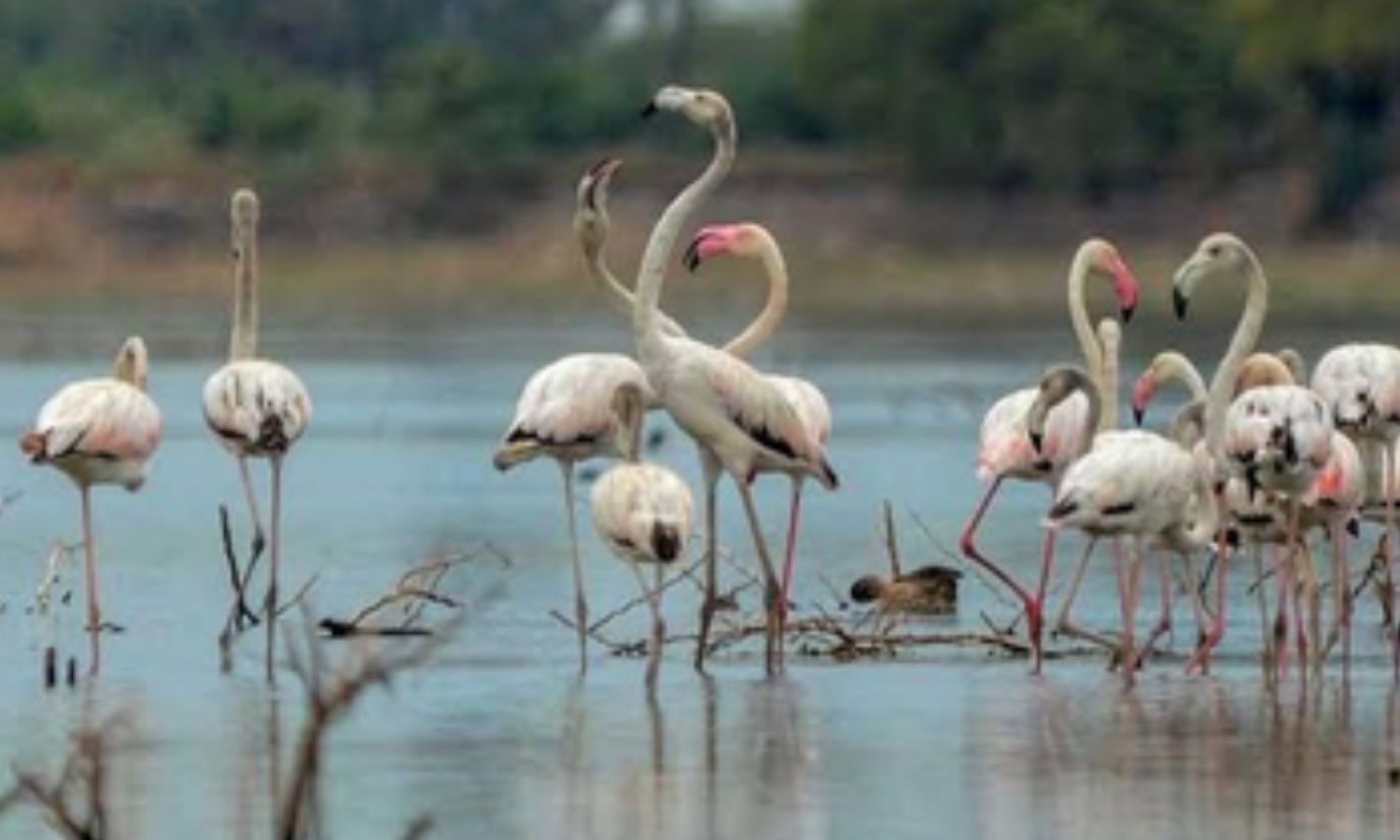
Perungulam Wetland Moves Toward Ramsar Recognition in Tamil Nadu