1 hr ago
Can Extended-Range Electric Vehicles Solve India’s Charging Problem?
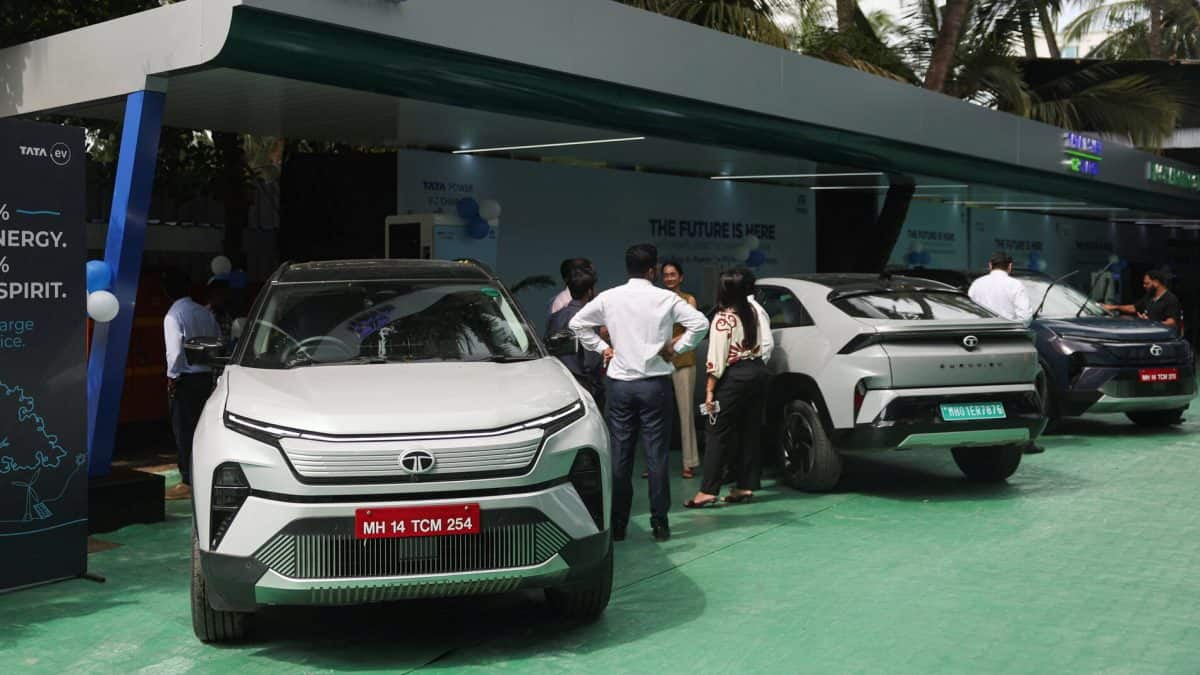
An EREV is a car that mainly drives using electricity.
It has a petrol engine, but that engine does not turn the wheels.
Instead, it makes electricity when the battery becomes low.
This means drivers can use electricity for everyday trips and petrol on long journeys.
EREVs could make charging stops less important, especially on highways.
They may use less fuel than regular cars when owners charge them often.
However, their large batteries can make them expensive to buy and replace.
They may also use more petrol than a plug-in hybrid during long trips after the battery is empty.
India’s taxes and charging network will help decide whether these cars become popular.

EREVs use a large battery for electric driving and a petrol engine solely to generate electricity when needed.
They can provide roughly 160–320km of electric range and a total range of 650–800km, according to McKinsey estimates.
China has become the leading market for EREVs, with Li Auto delivering more than 1.4 million cumulatively by the end of 2025.
EREVs could reduce fuel use for drivers who charge frequently, but their larger batteries may increase purchase and replacement costs.
No manufacturer has announced immediate plans to launch EREVs in India, and taxation could determine whether they are financially attractive.
- Who
- Car manufacturers, Indian consumers, and companies developing extended-range electric vehicles, including Li Auto and JSW MG Motor India.
- What
- The article examines whether extended-range electric vehicles can address India’s limited public charging network and long-distance driving concerns.
- Where
- India, with China identified as the leading market for EREVs.
- When
- The article cites 2024 sales growth figures and Li Auto’s cumulative deliveries through the end of 2025; JSW MG Motor India unveiled its MG ADAPT architecture in July 2026.
- Why
- EREVs could provide everyday electric driving while reducing the need to plan long-distance trips around charging stops.
Potential advantages
Potential drawbacks
Charging and long-distance travel
Potential advantages
EREVs can handle everyday driving electrically while using petrol-generated electricity on long trips, making charging stops optional according to the article.
Potential drawbacks
EREVs still depend partly on petrol and may not eliminate concerns about fuel use or charging altogether.
Running costs
Potential advantages
Drivers who charge frequently could use less petrol and reduce annual fuel bills, especially for urban and last-mile travel.
Potential drawbacks
Converting petrol into electricity creates energy losses, so a plug-in hybrid may use less petrol on long highway trips after its battery is depleted.
Purchase economics
Potential advantages
EREVs can use a simpler drivetrain than plug-in hybrids because the petrol engine only generates electricity, potentially lowering some ownership costs.
Potential drawbacks
Their larger batteries can raise the purchase price and future replacement cost, while unfavorable hybrid taxation could weaken their financial case.
Key facts
- Electric range
- McKinsey estimates roughly 160–320km for EREVs.
- Total range
- McKinsey estimates roughly 650–800km for EREVs.
- China’s 2024 growth
- EREVs grew 79 per cent and plug-in hybrids grew 76 per cent, according to Reuters.
- Li Auto deliveries
- Li Auto delivered more than 1.4 million EREV vehicles cumulatively by the end of 2025.
- Li Auto L9 range
- The latest L9 is claimed to offer 350km of WLTC electric range and 1,370km combined.
- Indian market plans
- No manufacturer has announced plans to introduce EREVs in India in the immediate future.
- EV GST
- Electric vehicles currently receive a 5 per cent GST rate, but EREVs could be taxed as hybrids instead.
Sources
Related news
Why JSW MG Motor May Bring EREV Technology to India
Indian EVs Outrun Tesla and BYD in Efficiency Ranking
Hyundai Motor India, Jio-bp Integrate EV Charging Networks Nationwide

Mahindra Overtakes MG as India’s Second-Largest EV Maker
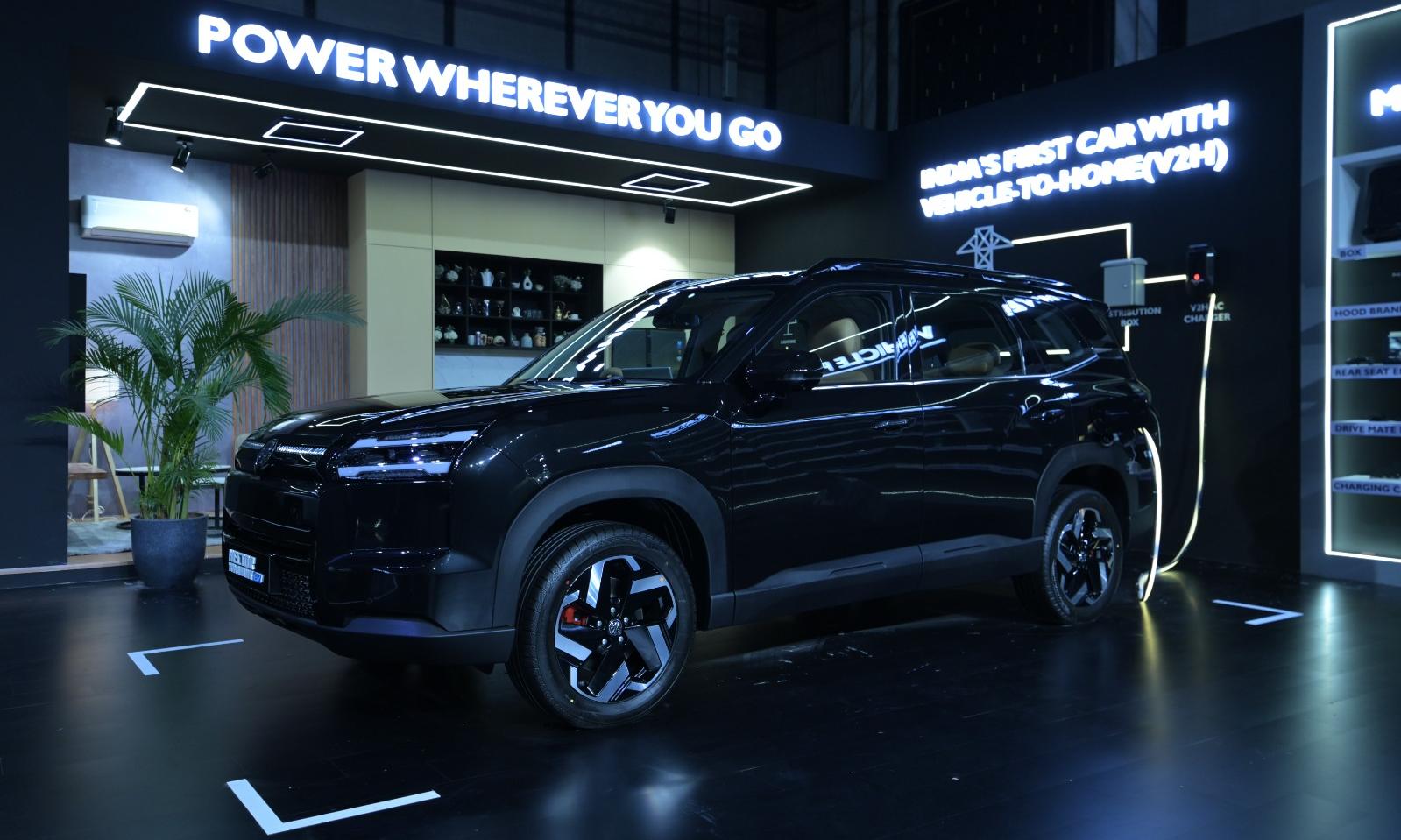
JSW MG Unveils Hector Tomahawk EV, PHEV Models
Range Rover Electric Opens Bookings In India

India's Car Buyers Shift From Petrol Toward Cleaner Fuel Options

India’s Auto Industry Seeks More Women Amid Persistent Shopfloor Gap
India Passenger Vehicle Dispatches Reach Record August High