

1 day ago
China's AI Adoption Puts Young Workers at Risk
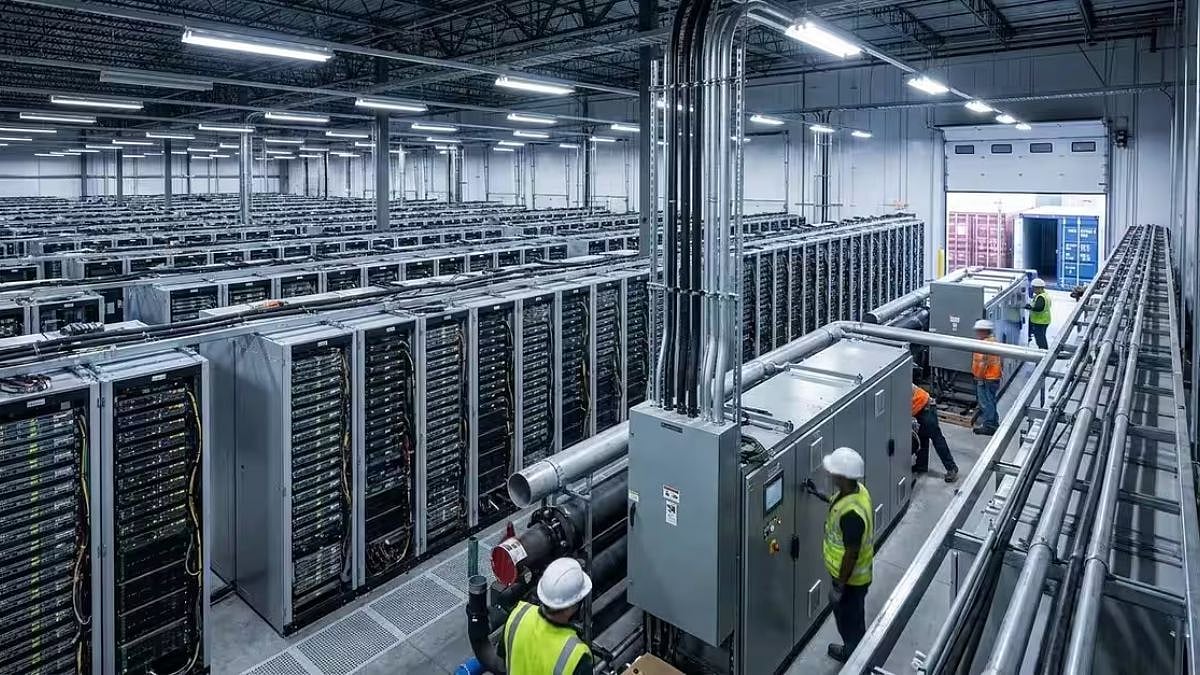
China is using artificial intelligence in many more workplaces than before.
AI can help companies work faster and spend less money.
But machines may also do some jobs that people used to perform.
Fei Zhaojun, a programmer in Beijing, lost his job during a large workforce reduction.
His company was considering whether AI could handle some coding work.
Robots are also sorting packages, managing traffic, and delivering food.
This worries people who work in delivery and other affected industries.
Young people in China are already having more difficulty finding jobs than the broader workforce.
Experts say AI may help the economy grow, but workers will need new opportunities if automation replaces their jobs.

China is rapidly adopting artificial intelligence across industries to improve efficiency, productivity, and costs.
Beijing programmer Fei Zhaojun was among about 160 employees laid off after his company considered using AI for coding tasks.
AI use among Chinese industrial businesses rose from fewer than 10% in 2024 to nearly half last year, according to IDC.
Humanoid and autonomous robots are increasingly handling parcel sorting, traffic management, and food delivery.
Economists warn that automation could intensify employment pressures on young workers and cause social problems if new jobs do not emerge quickly.
- Who
- Chinese companies and workers, including Beijing programmer Fei Zhaojun, young job seekers, robots, and economists.
- What
- Rapid artificial-intelligence adoption is improving productivity while raising concerns about job losses.
- Where
- Across China, including workplaces and cities such as Beijing.
- When
- AI adoption accelerated from 2024 to last year; the report describes its continuing effects on workplaces.
- Why
- Companies are adopting AI to improve efficiency and reduce costs, while analysts are concerned about employment and social consequences.
AI's Economic Benefits
AI's Employment Risks
Productivity and growth
AI's Economic Benefits
AI can improve efficiency, reduce costs, increase productivity, and support economic growth.
AI's Employment Risks
Large-scale automation could displace workers and worsen employment pressures if replacement opportunities do not appear quickly.
Workplace automation
AI's Economic Benefits
AI and robots can perform coding, logistics, traffic-management, and delivery tasks as companies modernize operations.
AI's Employment Risks
Workers in programming, delivery, logistics, and related services may find their roles increasingly replaceable.
Impact on young workers
AI's Economic Benefits
Economic growth supported by AI could create new opportunities as workplaces change.
AI's Employment Risks
Young workers already face unemployment approaching three times the national average, and automation could make stable jobs harder to secure.
Key facts
- Industrial AI use in 2024
- Fewer than 10% of Chinese industrial enterprises used AI models and agents.
- Industrial AI use last year
- Nearly half of Chinese industrial businesses used AI models and agents.
- Fei Zhaojun's layoff
- He was among approximately 160 employees laid off by his company.
- Urban unemployment
- China's overall urban unemployment rate is about 5%.
- Youth unemployment
- Unemployment among people aged 16 to 24 who are not in education is approaching three times the national average.
- Robot applications
- Robots are being used in parcel sorting, traffic management, and food delivery.
Sources
Related news
China’s AI Boom Reshapes Jobs Amid Layoffs and Uncertainty

AI Creates Jobs in India, but Freshers Face Shrinking Opportunities

Stanford Study Finds AI-Exposed Entry-Level Jobs Falling 19 Percent

Young Americans Fear AI Will Reduce Future Job Opportunities

AI-Driven Layoffs Trigger Outrage After Abrupt Mass Firings
India Builds Sovereign AI Through Infrastructure, Regulation and Partnerships

Amazon Says Great Indian Festival 2026 Is Now or Never

India’s Midrange Smartphone Market Loses Its Brand Edge

Apple Pushes iPhone Into Ultra-Premium Foldable Tech Market
