2 hrs ago
Amazon Says Great Indian Festival 2026 Is ‘Now or Never’
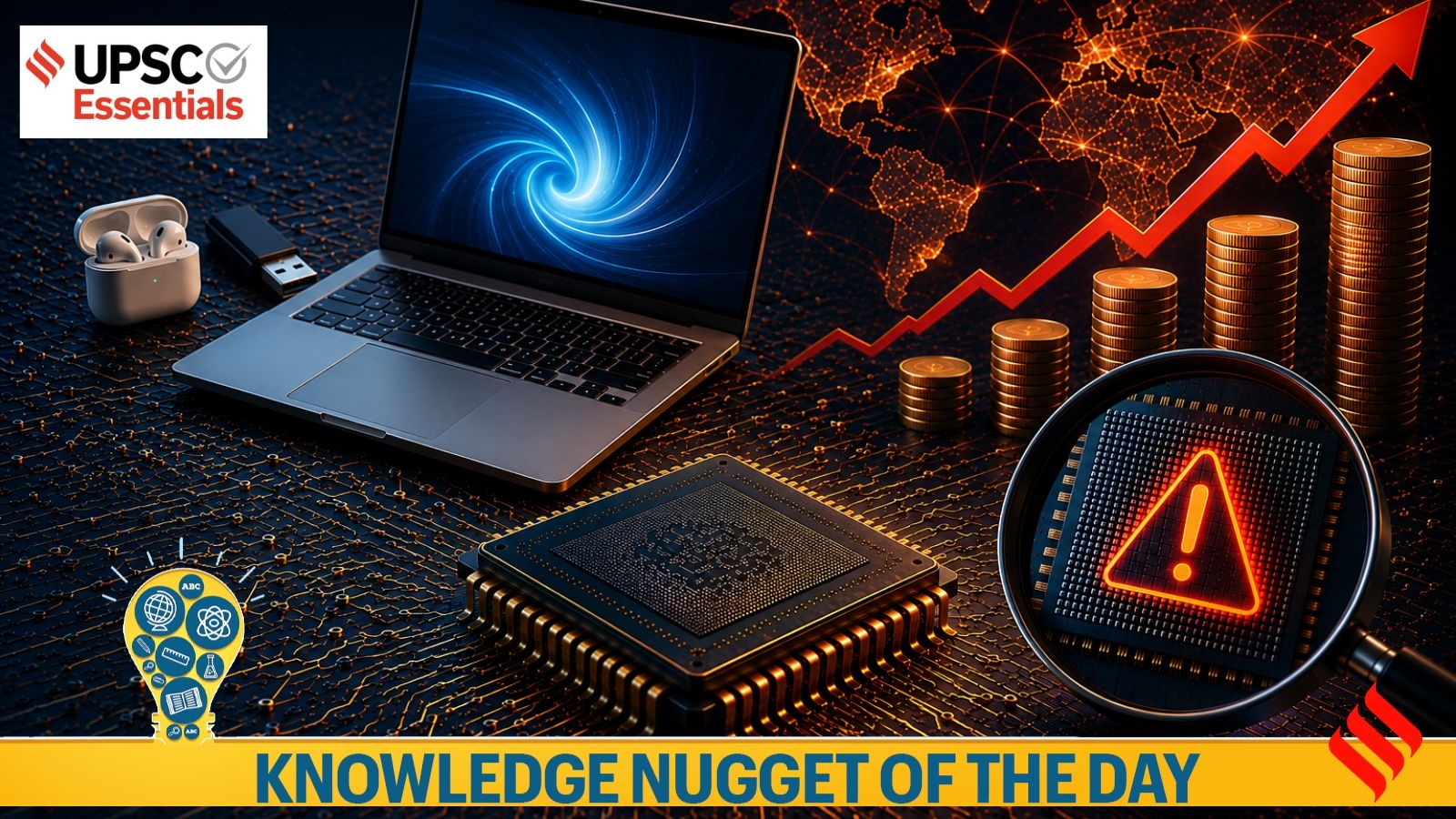
Memory parts used in phones, computers, and other electronics have become much more expensive.
There are also not enough of some of these parts.
This makes it harder for companies to predict prices and product supplies.
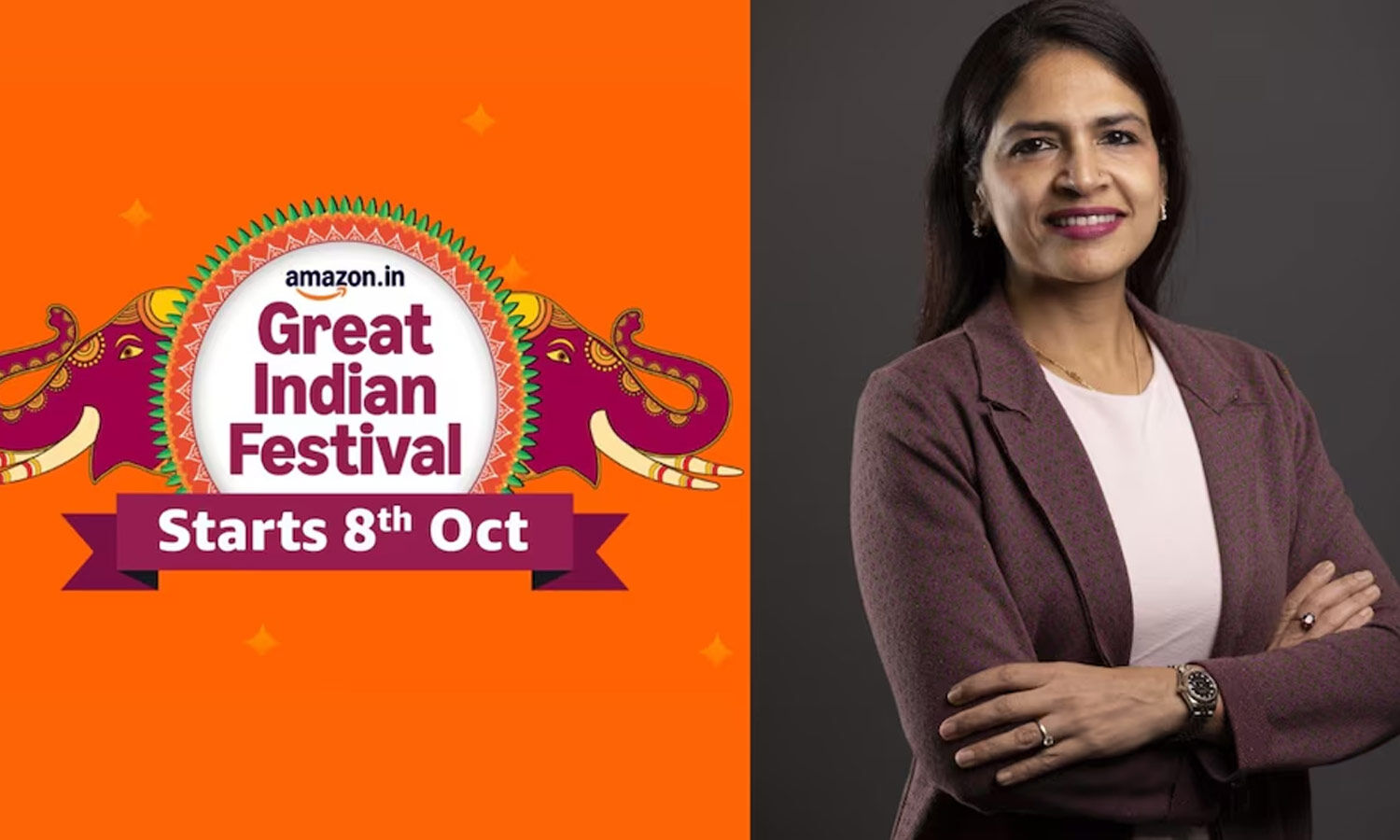
Amazon’s Zeba Khan says the Great Indian Festival may offer some of the best electronics prices of 2026.
She describes upgrading during the sale as a “now or never” opportunity.
Many shoppers are using monthly payment plans instead of paying all at once.
Amazon says premium phones, large TVs, appliances, and health gadgets are becoming more popular.
The sale’s exact bank discounts and payment details have not yet been announced.

Amazon executive Zeba Khan called 2026 a uniquely difficult year for electronics because of rising memory costs and shortages.
Memory component prices have reportedly risen about 300% since September 2025, while DRAM and NAND prices surged further in early 2026.
Khan said festive-sale discounts could be consumers’ most attractive electronics prices of the year.
EMI and financing options are gaining importance, with Counterpoint Research projecting they will account for 42% of India’s smartphone sales this year.
Amazon expects strong demand for premium smartphones, large appliances, large televisions, wearables, smart glasses, smart rings, and health devices.
- Who
- Amazon and its executive Zeba Khan, alongside electronics brands and Indian consumers.
- What
- Amazon is preparing its Great Indian Festival 2026 sale amid rising electronics prices, component shortages, and growing demand for financing.
- Where
- India.
- When
- The article discusses conditions in 2026, including memory-price changes since September 2025 and the upcoming festive sale.
- Why
- Rising memory costs and limited supply are pushing up device prices, while Amazon aims to attract shoppers with discounts, financing, and new products.
Market Constraints
Amazon’s Sales Case
Electronics affordability
Market Constraints
Rising memory costs, supply shortages, and continuing price increases could make devices more expensive and make demand difficult to predict.
Amazon’s Sales Case
Zeba Khan said the festive sale could provide consumers with the best electronics prices they will see in 2026.
Paying for upgrades
Market Constraints
Higher prices may require consumers to spread the cost of major purchases over several months.
Amazon’s Sales Case
Amazon is emphasizing EMI, no-cost EMI, pay-later options, trade-ins, and other flexible financing methods to improve accessibility.
Key facts
- Memory-price increase
- Memory component prices have reportedly risen roughly fourfold, or about 300%, since September 2025.
- Early-2026 DRAM prices
- TrendForce data cited in the article shows DRAM contract prices rising 90–95% quarter-on-quarter in the first quarter of 2026.
- Early-2026 NAND prices
- NAND flash prices reportedly climbed 55–60% quarter-on-quarter in the first quarter of 2026.
- Supply outlook
- An IDC report expects DRAM supply to grow 16% and NAND supply 17% in 2026, below historical norms.
- Financing forecast
- Counterpoint Research expects EMI and financing options to account for 42% of India’s smartphone sales this year.
- Prime Day EMI use
- Amazon said at least one in five smartphone buyers during Prime Day used EMI, and four of five of those used no-cost EMI.
- Sale details
- Bank tie-ups, cashback structures, and EMI tenures for the Great Indian Festival 2026 had not yet been announced.
Quotes
Zeba Khan
Director of Consumer Electronics at Amazon India
“It is a very unique, peculiar year for electronics where the costs are increasing by a big quantum with the chip shortage and the cost price increases. At the same time, there are supply shortages and allocations as well. Predicting demand is becoming very, very difficult because of continuous price increases.”
 thehansindia.com
 businesstoday.in
“In Prime Day itself, if we look at EMI rates in smartphones, at least one out of five customers who bought a smartphone bought it on EMI. And within those five people who bought it, four out of five were on no-cost EMI.”
businesstoday.in
Sources
Related news

Amazon India Reports Electronics Volume Softness Ahead of Festive Sales

Amazon Announces Great Indian Festival 2026 Sale for October

Amazon Great Indian Festival 2026: Rufus Previews Potential Deals
AI Boom Drives Chipflation and Consumer Electronics Price Rises
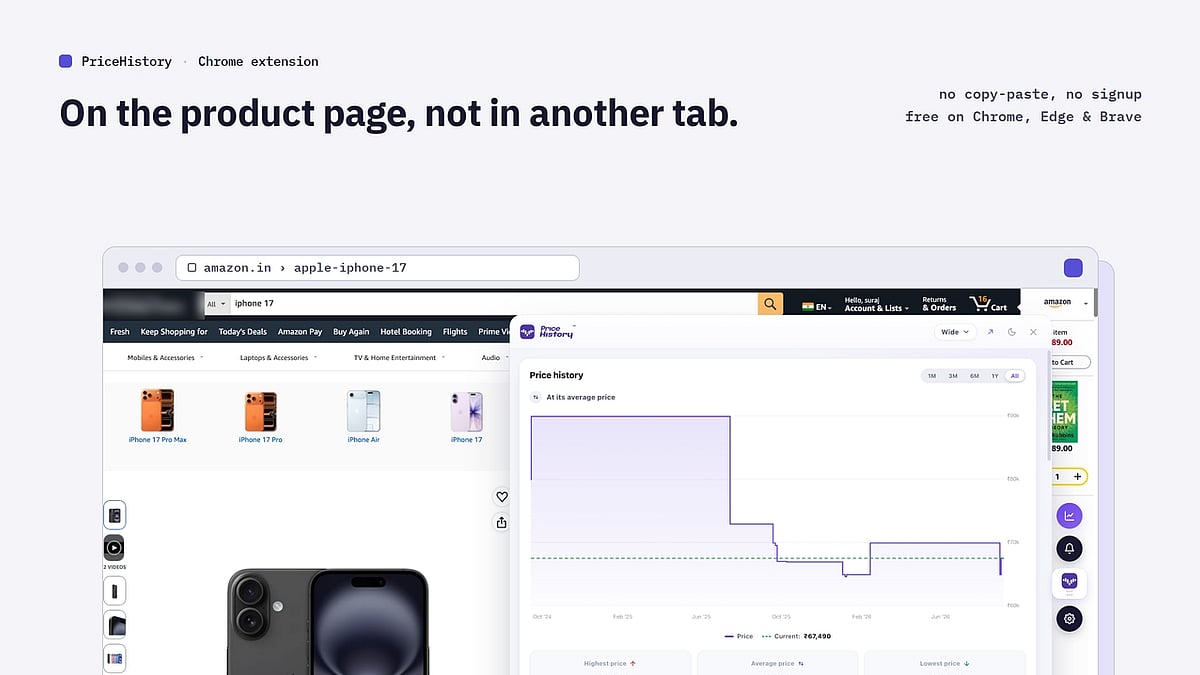
How to Spot Real Deals During India’s Major Online Sales
Samsung May Raise India Smartphone Prices as Cost Pressures Grow

Samsung Begins One UI 9 Rollout With Android 17
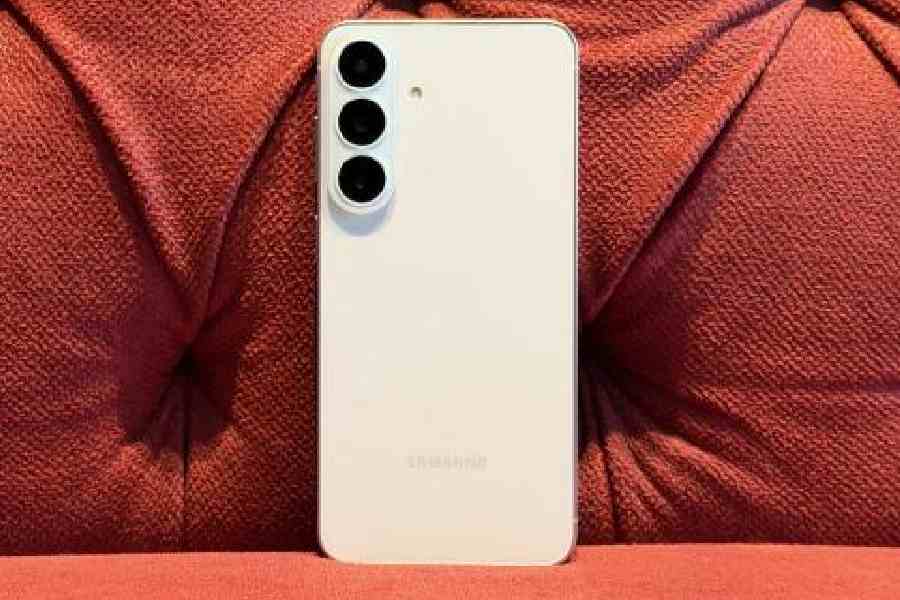
Samsung Galaxy S26 FE Review: Flagship Power for Less
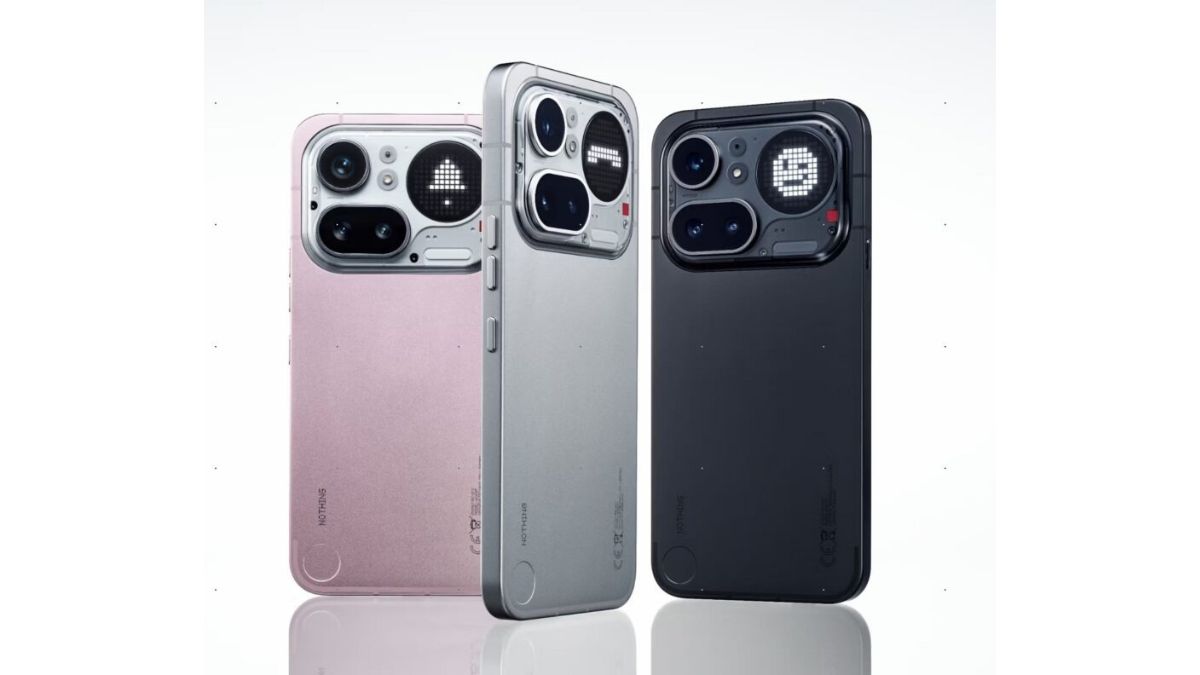
India’s Midrange Smartphone Market Loses Its Brand Edge
China's CXMT Reaches Advanced Memory Production Despite Export Controls