1 week ago
China’s AI Boom Reshapes Jobs Amid Layoffs and Uncertainty
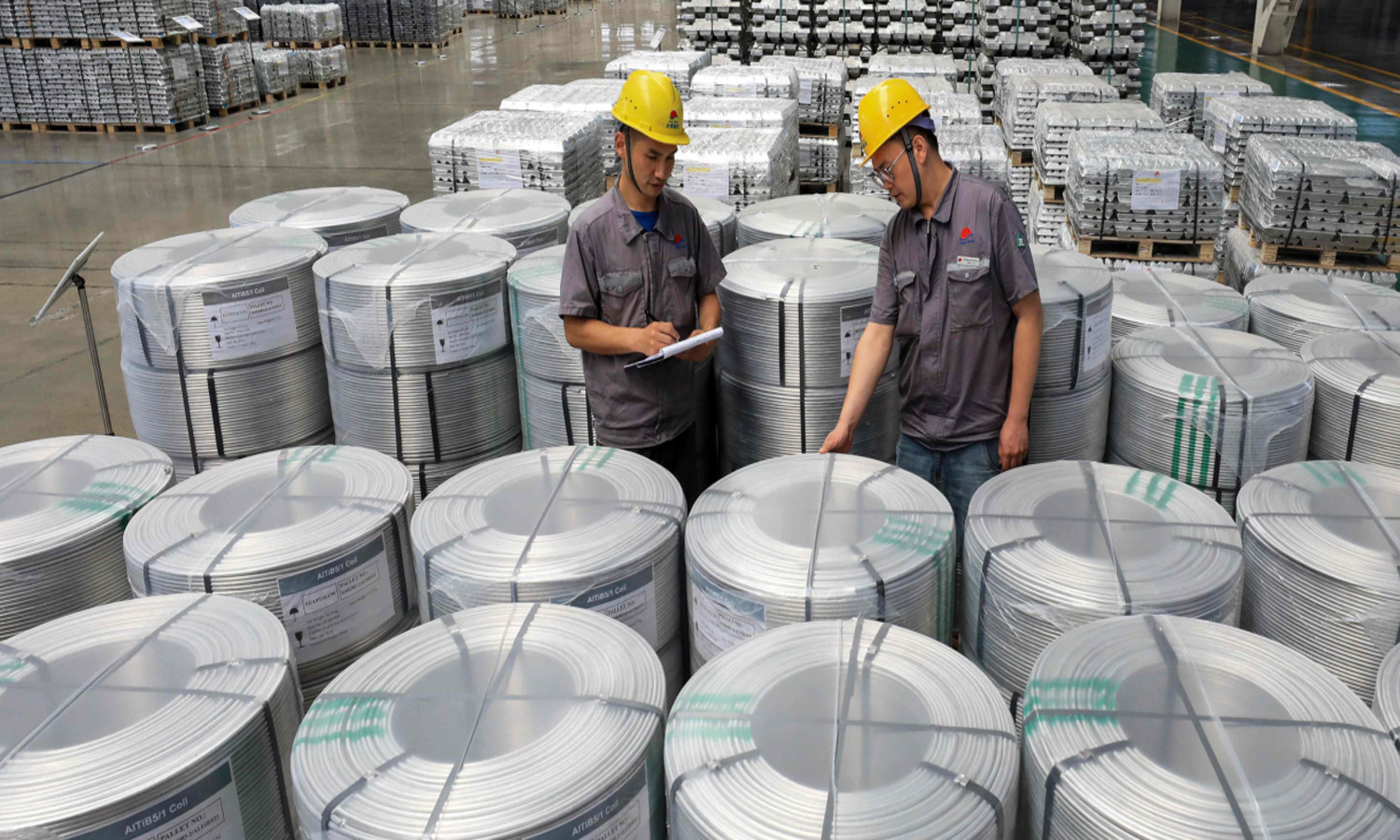
Artificial intelligence is changing many jobs in China.
Some companies use AI to write code, translate languages, create videos and move packages.
This has caused some workers to lose their jobs or worry about losing them.
Programmer Fei Zhaojun was laid off with about 160 coworkers.
A translator said pay in his industry has fallen by more than half compared with years ago.
Other workers are using AI to start new businesses or make their work easier.
Some experts worry that AI will reduce the number of jobs and make people less willing to spend money.
Other experts say robots could help because China will have fewer working-age people in the future.
Teachers and creative workers say humans still need to make important choices because AI can make mistakes.

Programmer Fei Zhaojun lost his Beijing job with about 160 colleagues after his employer assessed AI’s coding capabilities.
AI adoption is expanding across Chinese programming, translation, media production, manufacturing and delivery work.
The share of Chinese industrial enterprises reporting AI use rose to 47.5% last year from 9.6% in 2024, according to IDC.
Workers report falling pay and layoffs, including translation fees dropping by more than half and a scriptwriting workforce being cut roughly in half.
Experts say AI could worsen employment and social stability, while automation may also help offset China’s aging and shrinking workforce.
- Who
- Chinese workers, businesses, government officials and researchers, including Fei Zhaojun, Du Qinchun, Wang Zhicheng and Yang Zheng.
- What
- Artificial intelligence is rapidly changing China’s labor market by replacing or reshaping some tasks while creating new ways to work.
- Where
- Across China, including workplaces in Beijing and Chengdu, as well as industrial, postal, media and delivery operations.
- When
- The reported changes include industrial AI adoption rising from 2024 to last year and broader developments reported through the first quarter of this year.
- Why
- China’s government is promoting AI across industries to increase adoption and strengthen the country’s technology position, while businesses use it to improve productivity.
Potential Benefits of AI
Employment and Social Risks
Productivity and labor shortages
Potential Benefits of AI
AI and robots could raise productivity and partially offset China’s aging and shrinking workforce.
Employment and Social Risks
Higher productivity may not create enough new jobs and could worsen employment problems and social instability.
AI as a workplace tool
Potential Benefits of AI
Workers such as Wang Zhicheng and Yang Zheng use AI for brainstorming, fact-checking or answering student questions while keeping humans responsible for decisions.
Employment and Social Risks
AI can perform tasks that once required specialized training, putting coders, translators, scriptwriters and multimedia workers at greater risk of displacement.
Economic effects
Potential Benefits of AI
Government-backed AI adoption could increase innovation and help China compete technologically with the United States.
Employment and Social Risks
Job insecurity may discourage consumer spending, while high-productivity technology industries may not generate many new jobs.
Key facts
- Industrial AI adoption
- The share of Chinese industrial enterprises reporting use of AI models and agents rose to 47.5% last year from 9.6% in 2024, according to IDC.
- Fei Zhaojun’s layoff
- The Beijing programmer lost his job along with about 160 colleagues after his employer considered AI’s potential in coding.
- Translation pay
- Part-time translator Du Qinchun said pay in the translation industry has fallen by more than half compared with years ago.
- Government policy
- China’s AI Plus initiative and five-year plan through 2030 seek to spread AI across many industries.
- Youth unemployment
- Unemployment among Chinese people aged 16 to 24, excluding students, is roughly triple the overall urban rate of about 5%.
- Short-video production
- Chinese media reports said live-action short and vertical video series fell about 75% year over year in the first quarter of this year.
- Workforce projections
- By 2050, China is projected to have fewer than two working-age adults supporting each retiree, compared with more than 2.5 in the United States.
Quotes
Wang Zhicheng
A former scriptwriter who now independently produces illustrated children's books.
“Mid-level coders’ job are essentially replaceable in most of the cases. Even if it is a disaster that leads to replacing all humans, at this stage, you just have to use it as everyone else is using it.”
 livemint.com
 deccanchronicle.com
 telegraphindia.com
“Tasks that once required specialized training can now be performed by almost anyone with access to AI tools. This is particularly evident in software development and multimedia creation.”
livemint.com

Eswar Prasad
A professor of economics and trade policy at Cornell University.
“AI is likely to lift productivity across the board but could have a severe disruptive effect on employment, worsening the employment growth problem and resulting in a detrimental effect on social stability.”
livemint.com
deccanchronicle.com
telegraphindia.com
Sources

Related news

China's Tech Force Faces Mass AI-Driven Layoffs, Report Says
China Youth Unemployment Rises as Record Graduates Enter Market

Goldman Sachs Warns AI May Reshape Jobs, Especially Entry-Level Work

BOK report: Youth employment drops sharply in AI-exposed sectors
Goldman economist: AI unlikely to cause widespread India job losses

Goldman Sachs Sees India Escaping Worst AI Job Losses

West Bengal’s Youth Employability Crisis Threatens Its Demographic Advantage
AI Data Annotation Boom Creates Low-Paying Jobs in India

India’s Minimum Wage Trails China, US and Japan on PPP

Why India Must Prioritize Rejuvenation of Its Small Rivers

India’s Gig Economy Growth Leaves Women Behind, Study Finds