3 weeks ago
'Creamy layer' not applicable to SC/ST quota, govt tells SC

In India, some groups of people get extra help getting government jobs and school seats because they were treated unfairly in the past.
This special help is called 'reservation.'
The 'creamy layer' is the idea that people from these groups who have become very rich or successful should not get this extra help anymore.
The Supreme Court first created this idea in 1992 for one group of people called the Backward Classes.
Some people filed cases asking the court to also apply the rule to Scheduled Castes and Scheduled Tribes.
But the Government of India told the Supreme Court that the rule should not apply to those groups.
The government says an earlier Supreme Court decision already said this.
It also says judges should not tell the government how to make its policies.
The Supreme Court will now decide what to do with these cases.

The Centre told the Supreme Court that the 'creamy layer' principle is not applicable to reservations for Scheduled Castes (SCs) and Scheduled Tribes (STs).
The government opposed PILs by Ramashankar Prajapati and others and advocate Ashwini Upadhyay, terming them not maintainable under Article 32 and seeking dismissal with exemplary costs.
The Centre cited the Constitution bench ruling in Ashoka Kumar Thakur versus Union of India, saying creamy layer applies only to OBCs/SEBCs and not to SCs and STs.
The government said income-based preferences within reserved categories require a holistic review and thorough empirical study, and courts cannot direct the executive to frame policy.
The Supreme Court issued notice on Prajapati's PIL on August 11 last year and on Upadhyay's PIL on January 12.
- Who
- The Government of India (Centre), which filed an affidavit through the Ministry of Social Justice and Empowerment; petitioners Ramashankar Prajapati and others; advocate Ashwini Upadhyay; and the Supreme Court of India.
- What
- The Centre told the Supreme Court that the 'creamy layer' principle does not apply to SC/ST reservations and sought dismissal of PILs seeking its implementation and income-based preferences within reserved categories.
- Where
- Supreme Court of India, New Delhi.
- When
- During ongoing Supreme Court proceedings; notice on Prajapati's PIL was issued on August 11 last year and on Upadhyay's PIL on January 12.
- Why
- The government argues the Ashoka Kumar Thakur ruling clarified that creamy layer applies only to OBCs/SEBCs, and that courts cannot direct the executive to frame reservation policy.
Supporters of 'creamy layer' for SC/STs (petitioners)
Government opposing 'creamy layer' for SC/STs
Applicability of creamy layer to SC/ST reservations
Supporters of 'creamy layer' for SC/STs (petitioners)
Children of SC/ST members who have attained constitutional or senior government positions should not be allowed to avail reservation benefits; income-based preferences would ensure equitable distribution among economically weaker candidates.
Government opposing 'creamy layer' for SC/STs
A Constitution bench in the Ashoka Kumar Thakur case clarified that the creamy layer principle is not applicable to SCs and STs; it only concerns OBCs/SEBCs.
Court's role in reservation policy
Supporters of 'creamy layer' for SC/STs (petitioners)
The courts should direct the Centre to frame policies for a more equitable reservation system in government employment, including income-based preferences within reserved categories.
Government opposing 'creamy layer' for SC/STs
Courts cannot direct the executive to frame policy in a particular manner; any modification requires a holistic review, empirical study, and legislative mandate, keeping in view the separation of powers.
Maintainability of the PILs
Supporters of 'creamy layer' for SC/STs (petitioners)
The PILs are valid and seek enforcement of constitutional rights regarding equitable distribution of reservation benefits.
Government opposing 'creamy layer' for SC/STs
The PILs do not disclose infringement of fundamental rights, lack material or documentary proof, are not maintainable under Article 32, and deserve dismissal with exemplary costs.
Key facts
- Government's stance
- 'Creamy layer' principle not applicable to SC/ST reservations
- Petitioners
- Ramashankar Prajapati and others; advocate Ashwini Upadhyay
- Key precedent cited
- Ashoka Kumar Thakur versus Union of India (Constitution bench ruling)
- Origin of creamy layer
- Supreme Court's 1992 Mandal case verdict, excluding affluent Backward Classes members
- Affidavit filed by
- Ministry of Social Justice and Empowerment
- Notice on Prajapati PIL
- August 11 (last year)
- Notice on Upadhyay PIL
- January 12
- Upadhyay's contention
- Children of SC/ST members in constitutional or senior government posts should not get reservation benefits
Quotes
Government Ministry official (social justice and empowerment)
Representative of India's Ministry of Social Justice and Empowerment
“That modification of reservation policy, particularly to introduce income-based preferences within reserved categories, should be preceded by a holistic review and thorough empirical study, including socio-economic data of reserved category beneficiaries.”
 thehansindia.com
“This has been clarified by a Constitution bench of this court in the case of Ashoka Kumar Thakur versus Union of India that for the purpose of reservation, the principles of creamy layer are not applicable to SCs and STs.”
thehansindia.com
Sources

Related news
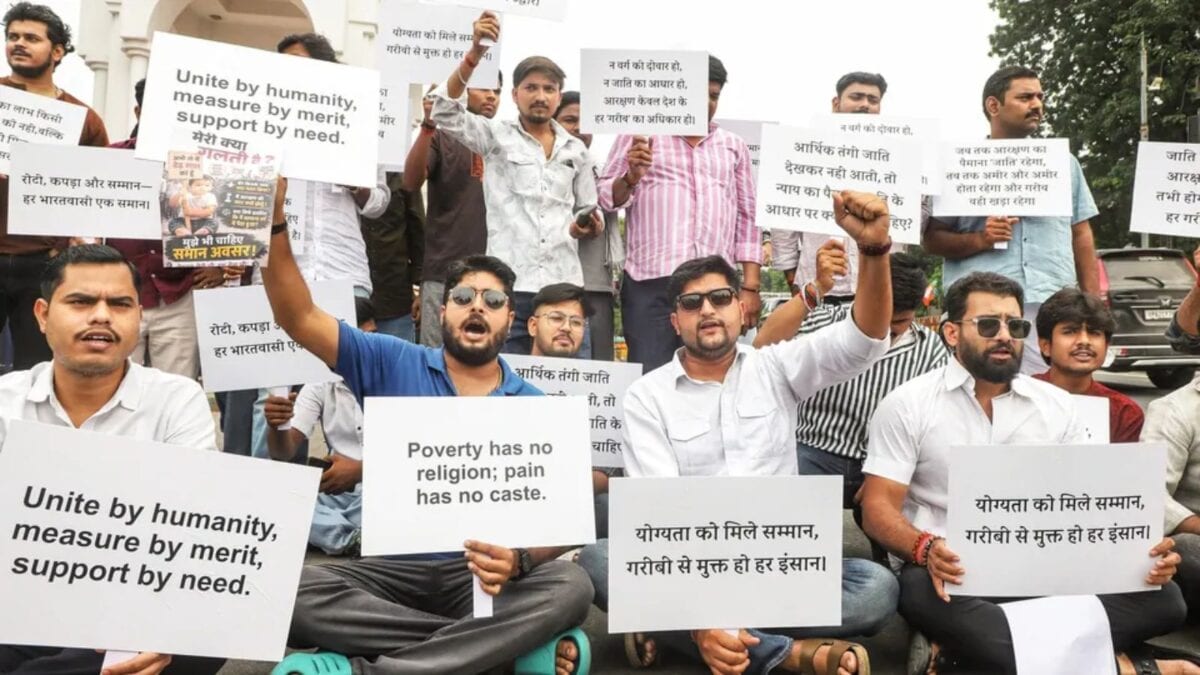
Centre Opposes Income-Based Sub-Quotas, Says Parliament Must Decide Creamy Layer

Centre opposes Supreme Court plea for income-based reservation sub-quota

Centre Says Creamy Layer Not Applicable to SC, ST Quotas

Mayawati Opposes SC, ST Creamy Layer, Criticises RSS' Casteist Mindset

Centre's OBC Plea Challenged After Supreme Court Salary Ruling
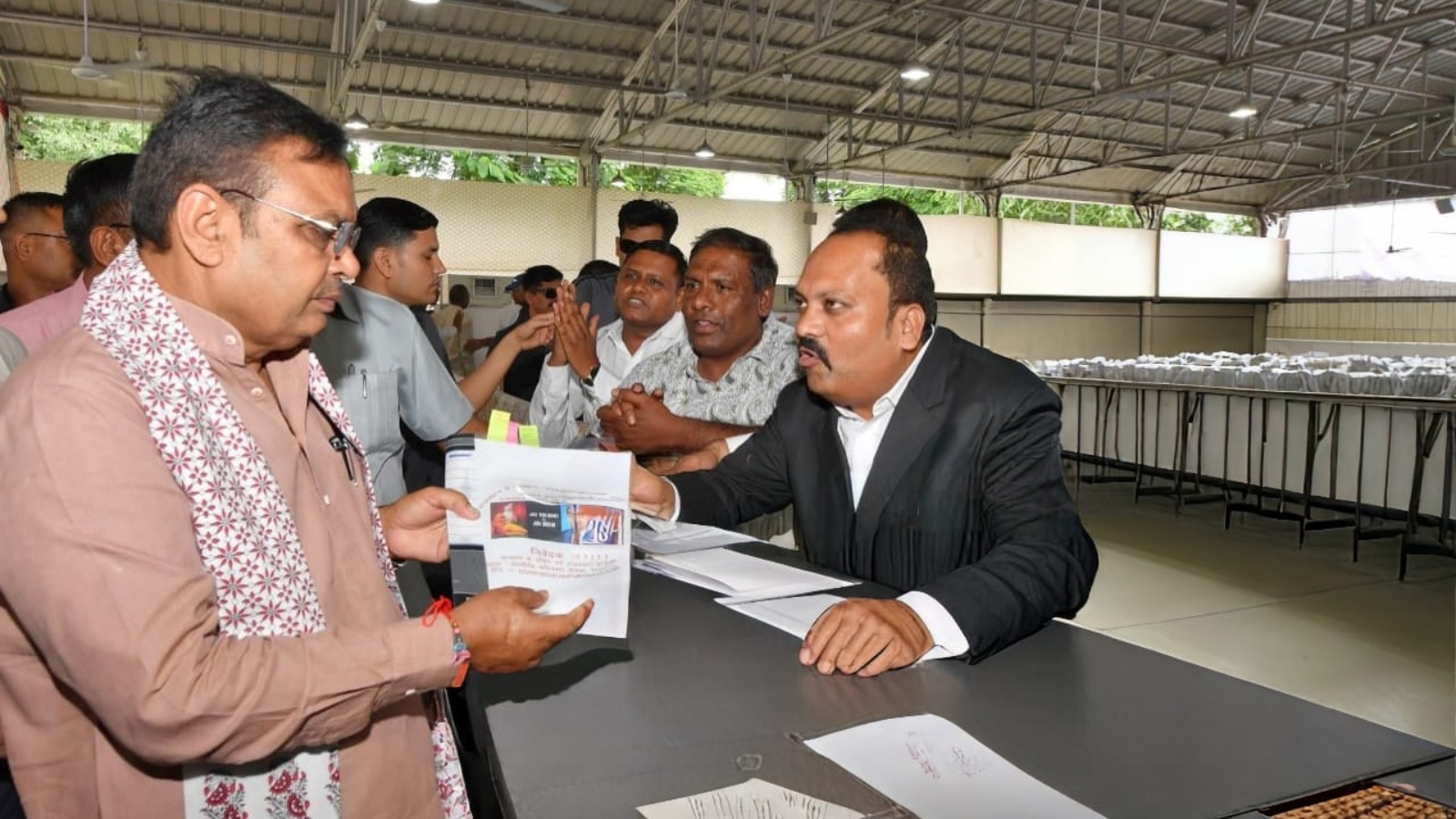
Rajasthan Dalit, Tribal Groups Push for Quota Sub-Categorisation

Panel Flags Scholarship Delays, OBC Target Cut, SC Shortfalls
Congress Calls Free Coaching Plan a Gimmick, Condemns Ahmedabad Assault
Why Census 2027 Must Count Nomadic Tribes Separately
AIIMS Bhopal and Brahma Kumaris Launch Anti-Addiction Campaign

NCSK to Celebrate 32nd Foundation Day on August 23