2 hrs ago
Excessive Screen Time May Affect Children’s Sleep, Learning, Development
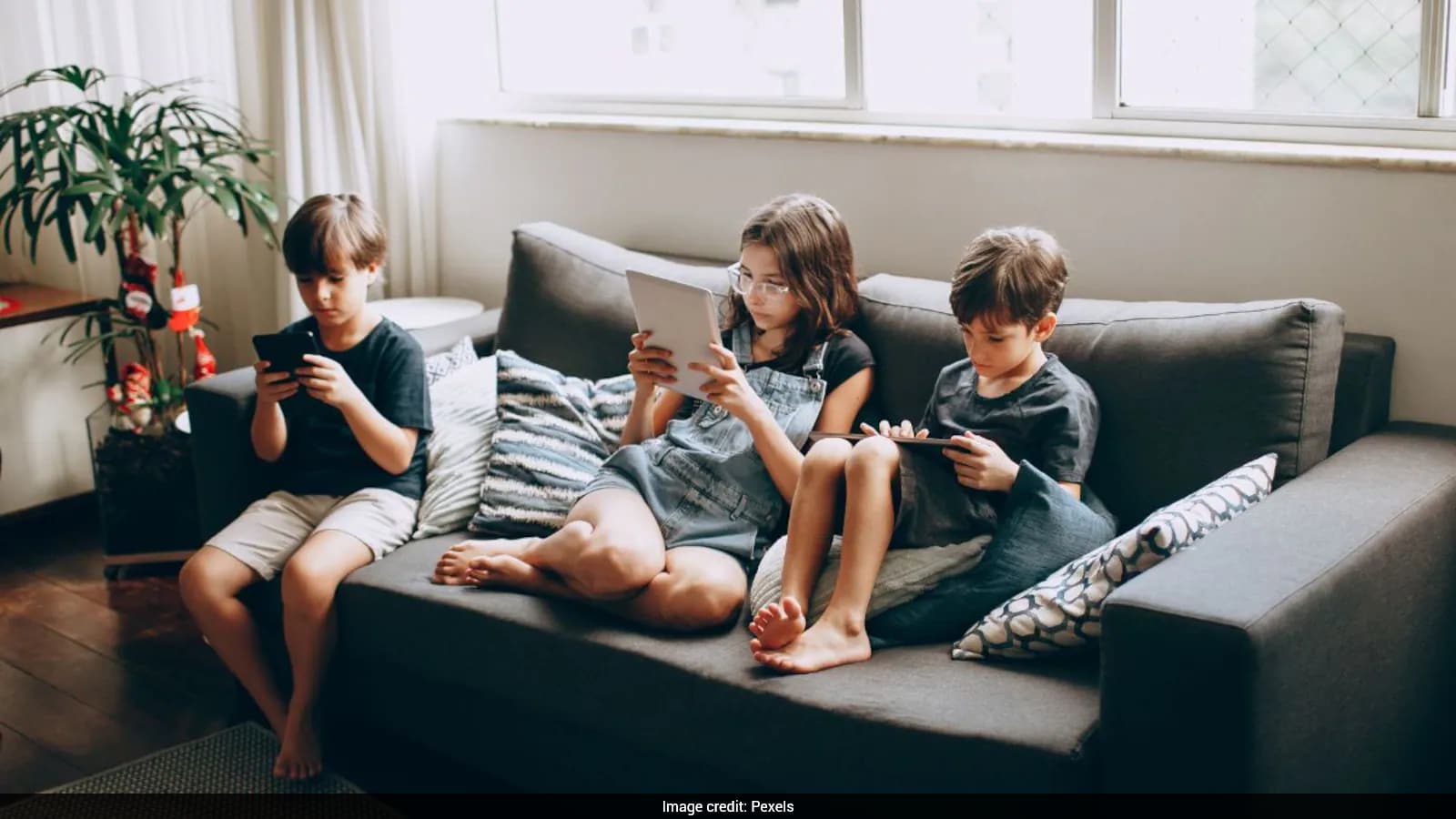
Screens can help children learn, but using them too much may cause problems.
Experts say children learn well through playing, moving and exploring the real world.
Too much screen use may make it harder to pay attention for a long time.
It can also reduce opportunities for creative play and hands-on problem-solving.
Using screens before bed may make it harder to sleep.
Poor sleep can leave children tired and irritable during the day.
Spending too much time on screens may also limit practice with talking, sharing and making friends.
Prime Minister Narendra Modi asked teachers to encourage sports and creative activities.
These activities can help children spend less time on devices and develop real-world skills.

Medical experts warn that excessive screen exposure may affect children’s attention, brain development, sleep and social skills.
Possible effects include shorter attention spans, difficulty processing real-world information and less imaginative or hands-on problem-solving.
Screen use before bedtime may cause difficulty falling asleep, irregular schedules, poorer sleep quality and daytime irritability.
Experts say excessive screen use may reduce opportunities for play, conversation, empathy-building and conflict resolution.
On September 4, Prime Minister Narendra Modi urged teachers to promote sports, physical play and creative activities to reduce children’s screen time.
- Who
- Medical experts, Prime Minister Narendra Modi, teachers, parents and children are involved.
- What
- Experts described possible effects of excessive screen time on children’s brain development, sleep, social skills and academic engagement; Modi urged teachers to help reduce it.
- Where
- The interaction took place at the Prime Minister’s Lok Kalyan Marg residence.
- When
- Modi made the appeal on September 4; a video of the interaction was released on September 5.
- Why
- The concern is that excessive or late-night screen use may interfere with children’s development, sleep, learning and real-world interaction.
Key facts
- Main concern
- Excessive screen exposure during childhood may affect physical, emotional and cognitive development.
- Brain and attention
- Possible effects include reduced sustained focus, difficulty processing real-world information and less imaginative thinking.
- Sleep
- Screen use before bedtime may contribute to difficulty falling asleep, irregular schedules and reduced sleep quality.
- Social development
- Limited real-world interaction may affect friendship-building, empathy and conflict-resolution skills.
- Academic effects
- Possible challenges include reduced interest in reading, difficulty completing tasks independently and lower classroom engagement.
- Suggested activities
- Experts and Modi highlighted sports, physical play, creative activities and real-world learning.
- Policy reference
- Modi referred to the National Education Policy while stressing learning beyond the classroom.
Sources
Related news

PM Modi Urges Teachers to Address Children’s Screen Time
Early Smartphone Exposure Linked To Lower Intelligence, Memory

Modi Urges Teachers to Tackle Student Drugs and Screen Time

How Excessive Screen Time Can Displace Essential Childhood Experiences
Noida Schools Cap Smart Board Screen Time At 30-60 Minutes

Nursery Schools Probe Three- and Four-Year-Olds’ Screen-Time Habits

Supreme Court Examines Calls to Revise Legal Education
Public Education Needs Greater Accountability, Not Just More Spending

Dhami Honours Teachers, Awards Scholarships at Gyan Ganga Event
IIT Kharagpur Programme Transforms Teaching Through NEP, Technology and GenAI