1 week ago
How Excessive Screen Time Can Displace Essential Childhood Experiences

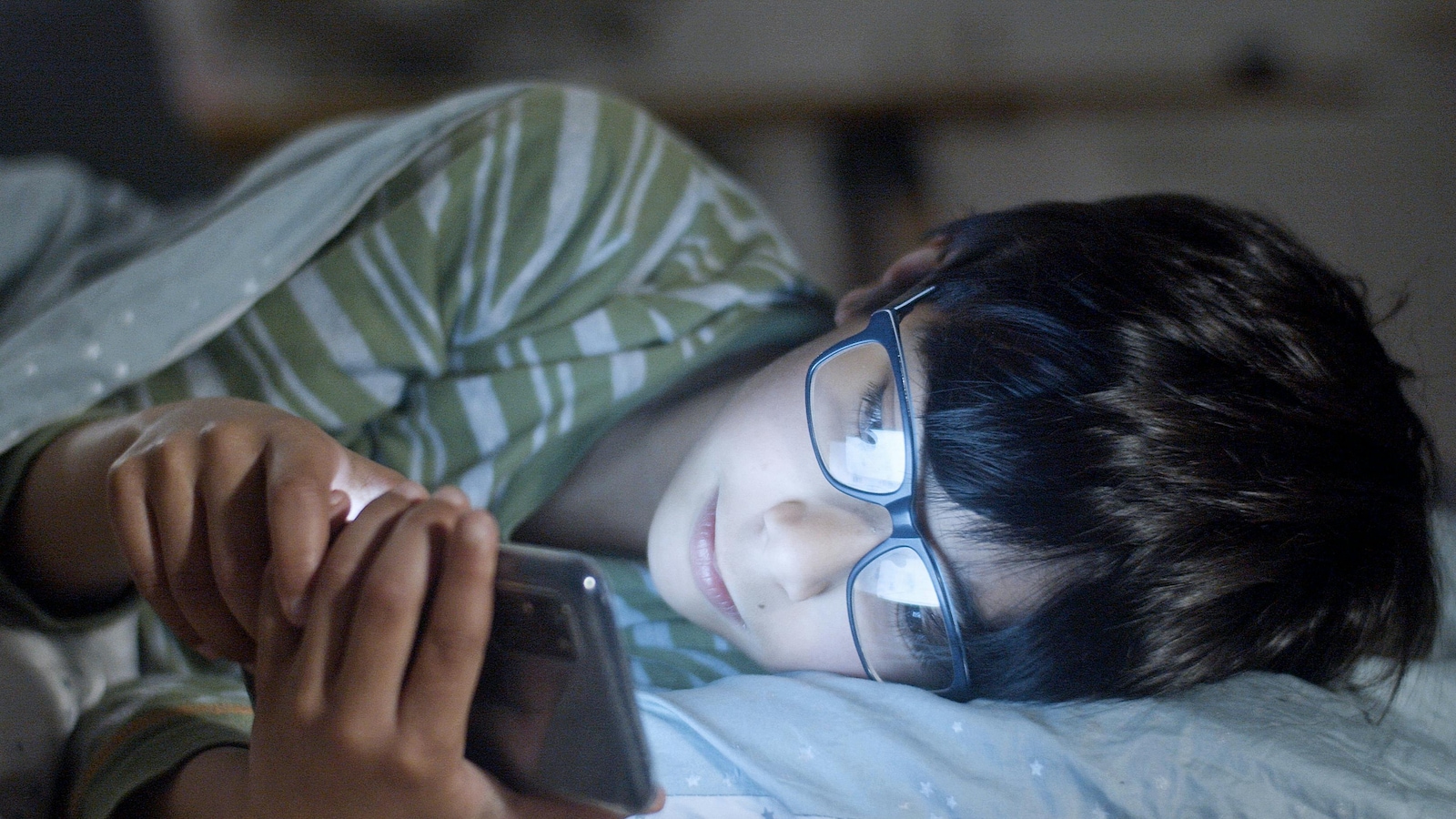
Many children spend a lot of time on phones, games, videos, and online chats.
The article says screens can become a problem when they replace important real-life activities.
Playing outside helps children become physically stronger and more creative.
Talking with family and friends teaches children how to understand feelings and solve disagreements.
Boredom, mistakes, and small failures can help children learn patience and resilience.
AI chatbots may feel easy to talk to, but they do not provide the same kind of relationship as real people.
Digital platforms are designed to keep people watching and clicking.
The article warns that too much screen use may contribute to loneliness, attention difficulties, and weaker social skills.
It argues that children need technology balanced with real relationships and everyday experiences.

Children’s growing screen use may replace outdoor play, face-to-face conversations, problem-solving, and unstructured exploration.
The article argues that setbacks, boredom, conflict, and mistakes help children develop resilience, patience, empathy, and independence.
It warns that AI chatbots and digital companions may encourage children to prefer frictionless machine interactions over reciprocal human relationships.
Personalized feeds, instant rewards, and constant availability can make digital platforms especially difficult for children to resist.
The article cites concerns linking excessive screen exposure with loneliness, social difficulties, language-development challenges, attention problems, sleep disruption, and weaker academic performance.
- Who
- Children, particularly adolescents and younger children, are the focus; families, teachers, and peers are also mentioned as important to development.
- What
- The article examines concerns that excessive screen use and AI companions are replacing real-life experiences needed for children’s social, emotional, physical, and mental development.
- Where
- When
- The article describes a current and growing trend but gives no specific date.
- Why
- The concern is that constant digital engagement may reduce opportunities to develop resilience, empathy, independence, attention, problem-solving skills, and meaningful relationships.
Key facts
- Reported smartphone use
- Teenagers are described as spending roughly 35 hours per week on smartphones.
- Digital activities
- Children are said to spend hours scrolling, gaming, watching videos, and interacting with AI-powered companions.
- Developmental activities at risk
- Outdoor play, sports, bicycle riding, face-to-face conversation, unstructured exploration, and conflict resolution may be displaced.
- Potential concerns
- The article identifies frustration intolerance, shorter attention spans, loneliness, weaker relationships, and difficulty concentrating as possible consequences.
- Social development
- The article says children learn emotional and social cues through interactions with family members, teachers, and friends.
- Digital design
- Endless entertainment, instant rewards, personalized content, constant availability, and social validation are described as features that capture attention.
Sources
Related news

Meta Child Safety Settlement Could Reshape Social Media Responsibility

AI In Children’s Lives: Tutor, Not Human Relationship Substitute
Early Smartphone Exposure Linked To Lower Intelligence, Memory

Phones, Failure and Fear: Why Young People Reach Extremes

10 ways parents can keep children safe online