

1 week ago
Early Smartphone Exposure Linked To Lower Intelligence, Memory
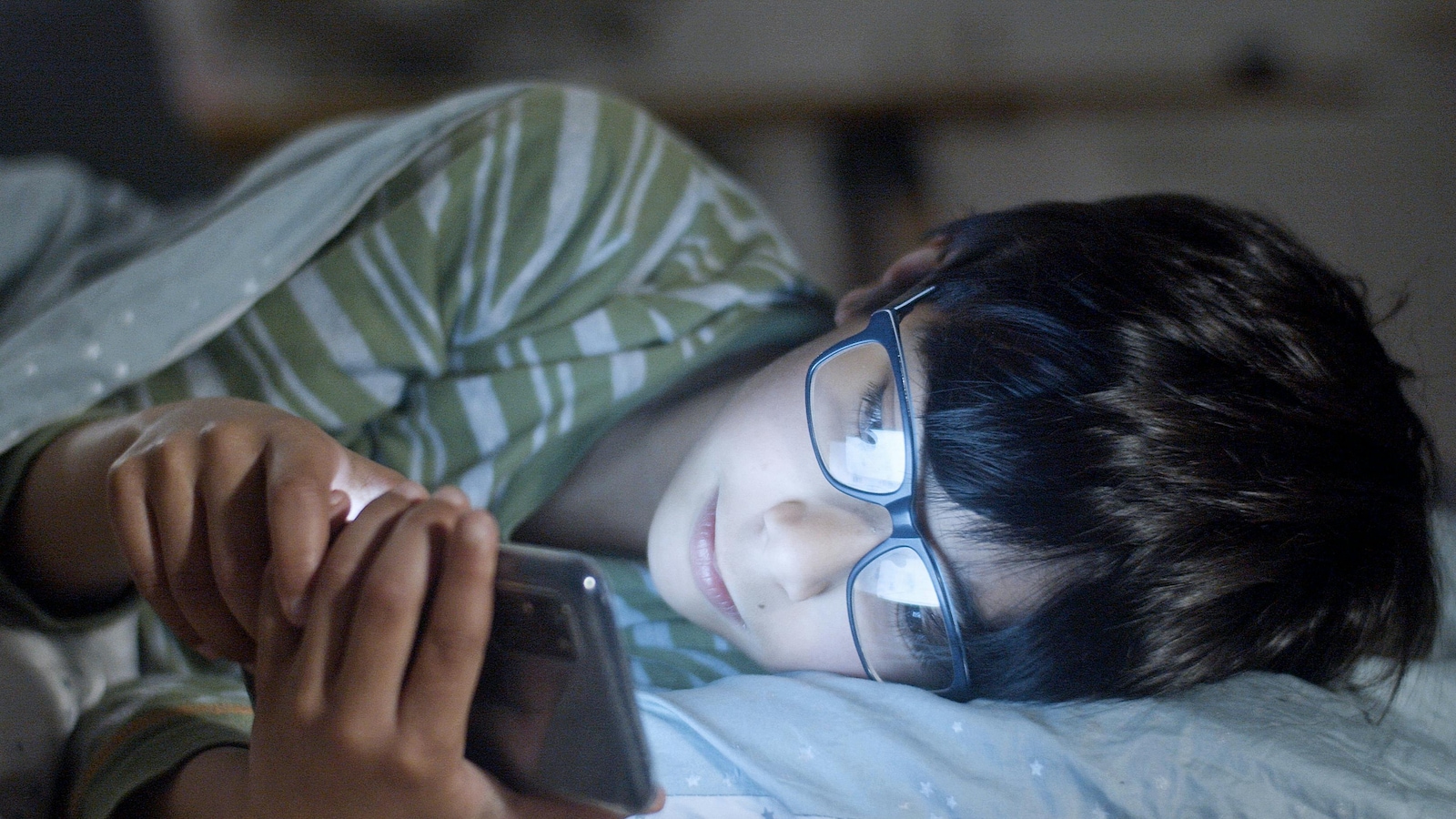
A study looked at 502 children and their smartphone use as they grew up.
The article says children who started using smartphones very early had lower memory and thinking scores.
They may also have had more trouble at school.
Too much screen use can take time away from sleep, exercise, reading and talking with other people.
It may make it harder to pay attention and remember things.
Not every screen is harmful, because teachers can use some digital tools for learning.
The bigger concern is passive use, such as endless scrolling, short videos and too much gaming.
Parents and caregivers can help by setting limits and encouraging healthy activities.
The article says reducing screen time may help control the effects, although it describes the effects of early exposure as not fully reversible.

A study published in the Journal of Paediatrics examined 502 children tracked from infancy through middle childhood.
The article reports links between early smartphone exposure, lower memory scores, reduced cognitive performance and poorer school performance.
Potentially affected abilities include attention, memory formation, problem-solving and language development.
The World Health Organization and American Academy of Pediatrics recommend no screen time before 18–24 months and less than one hour daily for ages 2–5.
The article says educational screen tools may help children, while passive use such as endless scrolling, short videos and excessive gaming may encourage overdependence.
- Who
- Researchers studied a cohort of 502 children; the article also discusses parents, caregivers and teachers.
- What
- The study examined associations between early smartphone exposure and children’s memory, cognitive performance and school performance.
- Where
- The article does not specify where the study was conducted.
- When
- The children’s smartphone use was tracked from infancy through middle childhood; the article does not provide the study’s publication date.
- Why
- The research aimed to examine how early screen exposure may affect developing brain functions and learning-related abilities.
Concerns About Early Screen Exposure
Balanced, Purposeful Screen Use
Effects on development
Concerns About Early Screen Exposure
The article reports that early and excessive smartphone use may negatively affect attention, memory formation, problem-solving, language development and academic performance.
Balanced, Purposeful Screen Use
The article says not all screens are harmful and that teacher-directed digital learning tools can enhance memory retention.
How devices should be managed
Concerns About Early Screen Exposure
Passive activities such as endless scrolling, short-form videos, excessive gaming and social-media overuse are presented as habits that may encourage dependence and interfere with normal activities.
Balanced, Purposeful Screen Use
The article says smartphones can be used in a balanced, controlled way, with children also receiving exercise, sleep, reading and social interaction.
Possible recovery
Concerns About Early Screen Exposure
The article states that the effects of early screen exposure cannot be reversed, though they can be controlled by reducing screen time.
Balanced, Purposeful Screen Use
The article emphasizes that reducing screen use has benefits and that parents, caregivers and teachers can help prevent overdependence through controlled use.
Key facts
- Study sample
- 502 children
- Tracking period
- Infancy through middle childhood
- Publication
- Journal of Paediatrics
- Reported associations
- Lower memory scores, reduced cognitive performance and poorer school performance
- WHO guidance
- No screen time before 18–24 months
- Guidance for ages 2–5
- Less than one hour of screen time per day, according to the article
- Potential warning signs
- Difficulty concentrating, forgetfulness, declining grades, irritability without devices, reduced physical activity and sleep problems
Sources
Related news

How Excessive Screen Time Can Displace Essential Childhood Experiences
Noida Schools Cap Smart Board Screen Time At 30-60 Minutes

Nursery Schools Probe Three- and Four-Year-Olds’ Screen-Time Habits

Experts Warn Smoking, Alcohol Quietly Damage Young Brains

Delhi’s Air Pollution Linked to Brain Changes Beyond Lungs

Can People Become Less Intelligent? Study Explores Reverse Flynn Effect

Shapiro, Kennedy Clash Over Pennsylvania’s Deadly Measles Outbreak

Seven Reasons Parents Should Not Ignore a Tired Child

Trump orders split of MMR vaccine as measles outbreak worsens

Trump signs executive order to space out childhood vaccines
