

1 hr ago
Iran-Gulf Meeting Postponed as Attacks Disrupt Oil Routes

A meeting about keeping oil shipments safe was supposed to happen between Iran and nearby Gulf countries.
The meeting was delayed because the countries could not yet agree.
New attacks also affected important routes used to move oil.
Saudi Arabia temporarily stopped using a major pipeline that avoids the Strait of Hormuz.
This made people worry that less oil might reach world markets.
Oil prices went up as a result.
President Donald Trump also rejected a report about Chinese satellite images being used before an attack in Jordan.
Iran’s nuclear chief may miss an important international meeting because he cannot travel abroad.

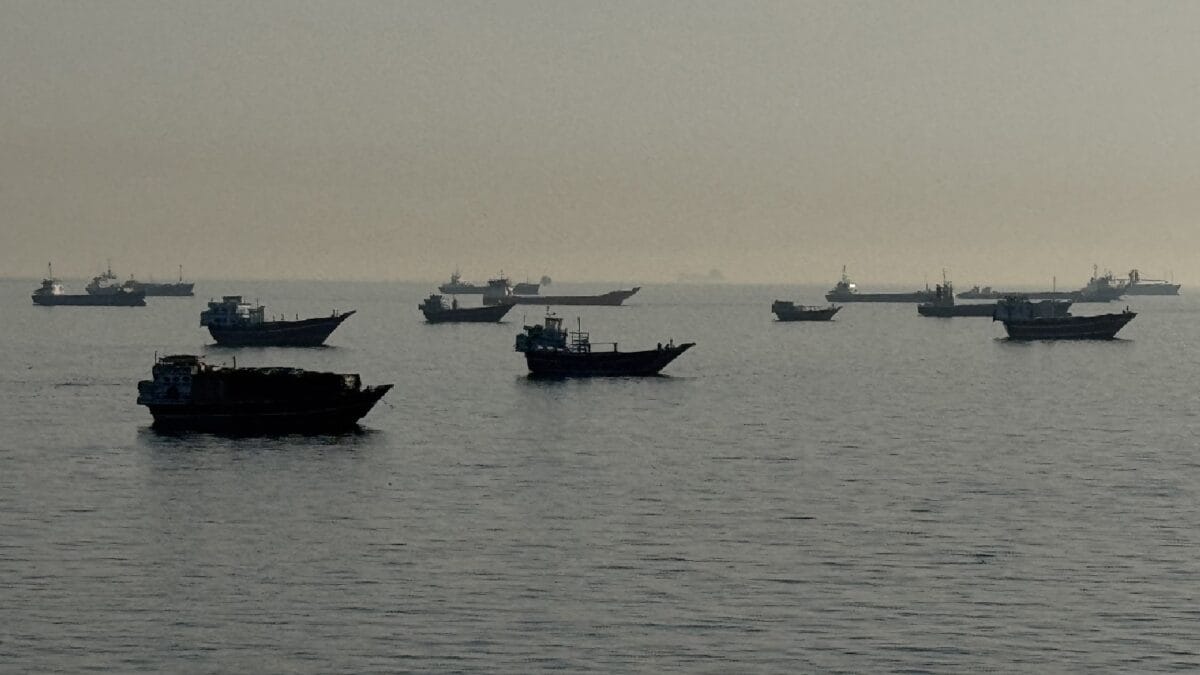
A planned meeting between Iran and Persian Gulf countries on the Strait of Hormuz proposal was postponed to seek consensus.
Oman’s Foreign Minister Sayyid Badr Albusaidi announced the postponement, which was linked to fading hopes for an immediate diplomatic breakthrough.
Saudi Arabia halted its East-West crude pipeline after attacks, removing a key route that bypasses the Strait of Hormuz.
Oil prices rose, with Brent briefly climbing 3.6% above $108 per barrel and West Texas Intermediate nearing $103.
Iran’s nuclear chief is unlikely to attend the International Atomic Energy Agency conference because he is banned from international travel.
- Who
- Iran, Persian Gulf countries, Oman, Saudi Arabia, the United States, China, and the International Atomic Energy Agency are involved.
- What
- A Gulf diplomatic meeting was postponed amid regional attacks, an oil-pipeline shutdown, rising prices, disputes over intelligence, and worsening Iran-West relations.
- Where
- The developments involve the Persian Gulf and Strait of Hormuz, Saudi Arabia, Jordan, Vienna, and the wider Middle East.
- When
- The meeting was scheduled for Monday; the postponement was announced late Sunday. The Jordan attack occurred in July, and an International Atomic Energy Agency conference is due to take place annually in Vienna.
- Why
- Oman said the meeting was postponed in the interests of consensus; Saudi Arabia halted its pipeline as a precaution after attacks, while travel restrictions are preventing Iran’s nuclear chief from attending the Vienna conference.
Report and intelligence allegations
Trump’s response
Chinese satellite imagery
Report and intelligence allegations
The Wall Street Journal reported, citing unnamed United States officials, that Tehran acquired Chinese satellite images of a Jordanian base before the July attack.
Trump’s response
President Donald Trump dismissed the report’s significance and said China and the United States both conduct espionage.
Diplomatic prospects
Report and intelligence allegations
The postponed Gulf meeting and fresh attacks suggest diplomacy is faltering and that an immediate breakthrough is less likely.
Trump’s response
Oman presented the postponement as a step taken in the interests of consensus, leaving open the possibility of further regional discussions.
Key facts
- Diplomatic meeting
- A proposed meeting between Iran and other Persian Gulf powers over the Strait of Hormuz proposal was postponed.
- Postponement announcement
- Oman’s Foreign Minister Sayyid Badr Albusaidi said the delay was in the interests of consensus.
- Saudi pipeline
- Saudi Arabia halted its East-West pipeline after attacks; no restart date was given.
- Brent crude
- Brent rose as much as 3.6% to above $108 per barrel before reducing its gains.
- West Texas Intermediate
- West Texas Intermediate traded near $103 per barrel.
- Jordan attack
- An attack in Jordan reportedly killed three United States troops in July.
- IAEA conference
- Iranian nuclear chief Mohammad Eslami is unlikely to attend the annual conference in Vienna because he is banned from international travel.
Quotes

Donald Trump
US president commenting on reports about Chinese satellite imagery and Iran’s attack preparations
“They basically do what we do. When they say China spies on us, I say you're right, and we spy on them too.”
 livemint.com
Sources
Related news
Hormuz Vessel Strike Raises Global Oil Supply Fears

Widening US-Iran Conflict Threatens Middle East Oil Shipping Routes
Brent tops $91 as Trump rules out extending Iran ceasefire

Oil Prices Rise as US-Iran Ceasefire Hopes Fade

Oil Surges Above $90 as Hormuz Risks Intensify

Houthis Seize Red Sea Coast as Saudi Pipeline Shuts
Iran-Gulf Meeting in Oman Postponed Amid Regional Coordination
Oman Postpones Iran-Gulf Talks After Regional Countries Request Delay
Oman Postpones Strait of Hormuz Summit Amid Gulf Pushback
Gold Slips as Hot Inflation Lifts Fed Hike Bets
