1 week ago
Race, Media Scrutiny, and the Death of Jason Arday
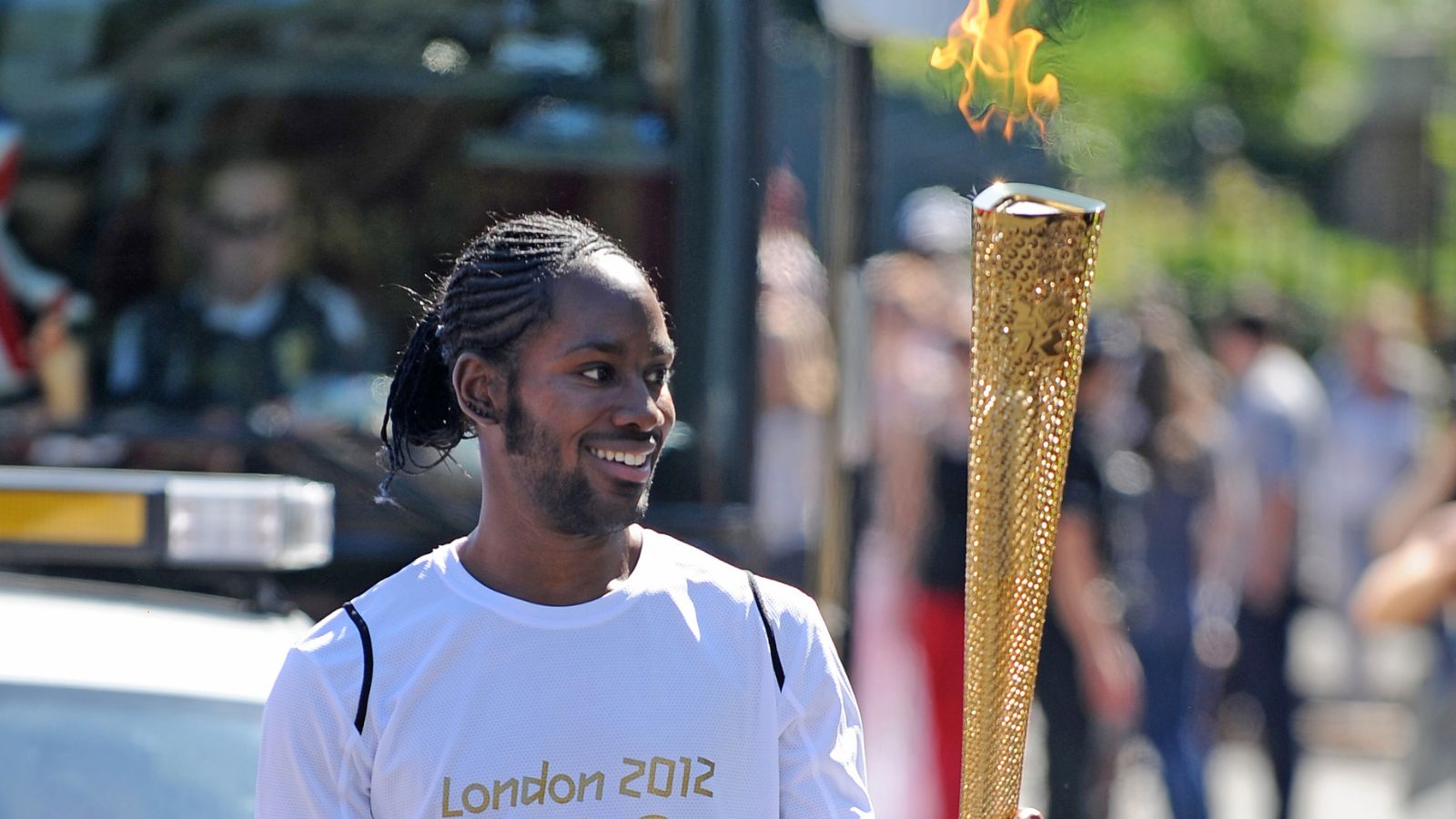
Jason Arday was a Black professor at the University of Cambridge.
He was the youngest Black professor in the university’s history, according to the article.
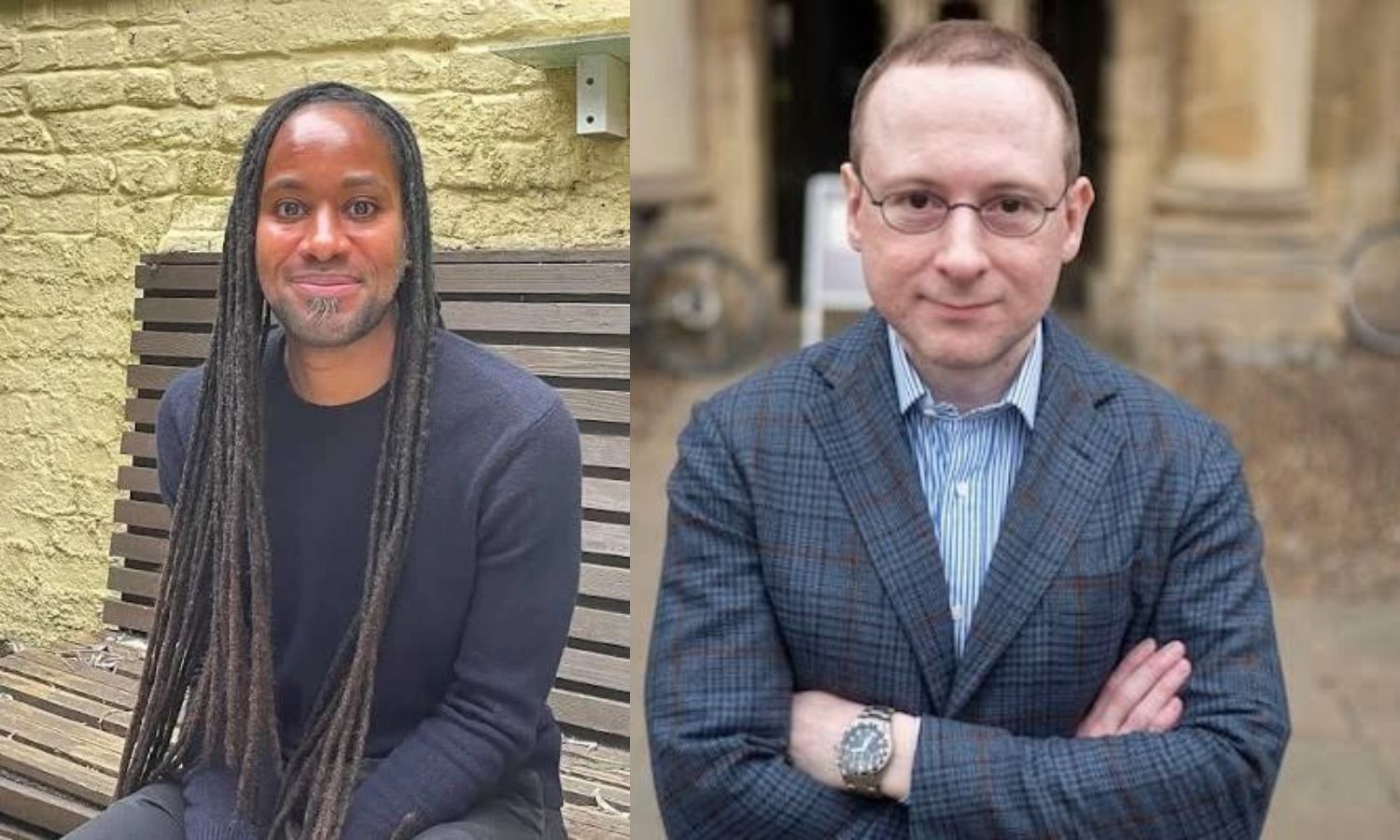
A former Cambridge academic, Nathan Cofnas, accused him of plagiarism in a blog post.
The article says Cambridge had already cleared Arday of those accusations.
News organizations then closely examined Arday’s work and personal history.
Some senior academics also asked Cambridge to review how he was appointed.
The writer says this attention was connected to racism and arguments against diversity programs.
The article also says Black people remain greatly underrepresented among professors and research award recipients in the United Kingdom.

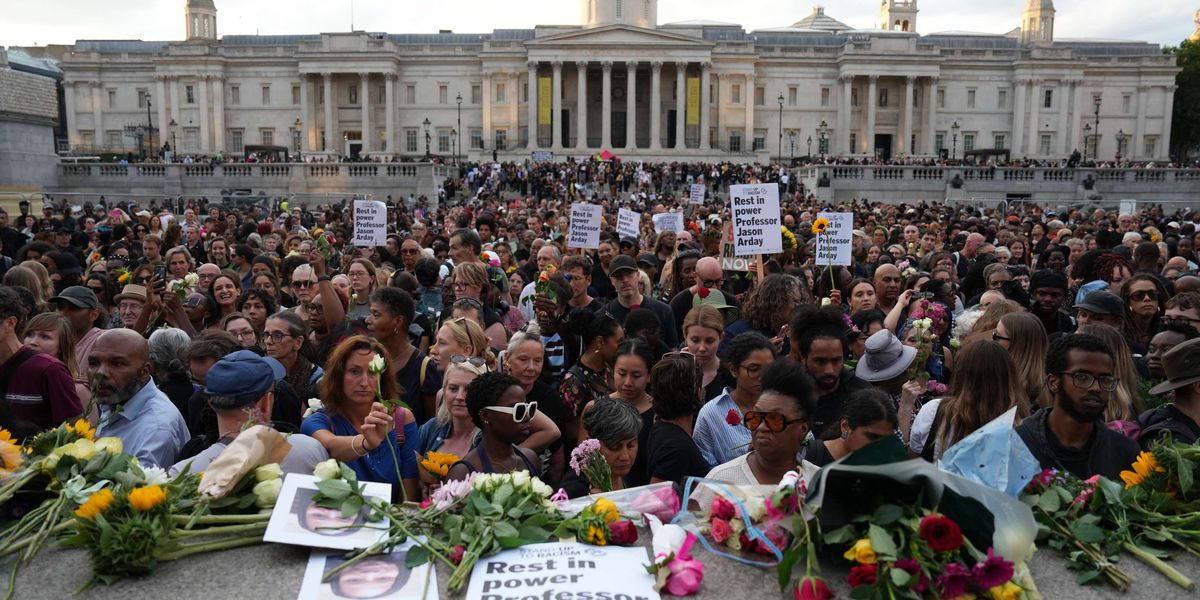
Jason Arday, a Black Cambridge professor, was found dead at his south London home on August 14, aged 41.
The article says Nathan Cofnas’s late-July Substack post alleged plagiarism, although Cambridge had previously cleared Arday of such charges.
The writer argues that right-wing and supposedly progressive media subjected Arday to unusually intense scrutiny over his scholarship, biography, and autism.
Senior Cambridge academics reportedly sought an independent review of Arday’s appointment, citing concerns about the university’s reputation.
The article links the controversy to wider racial inequality in UK academia, noting that only about 1% of UK professors are Black.
- Who
- Jason Arday, Nathan Cofnas, news organizations, and senior University of Cambridge academics.
- What
- A media controversy over allegations about Arday’s PhD and appointment was followed by his death, prompting debate about racism, academic scrutiny, and inequality.
- Where
- Arday was found at his home in south London; the controversy centered on the University of Cambridge and UK academia.
- When
- The allegations and media coverage began in late July; Arday was found dead on August 14, and an article discussed the controversy on August 20. The text also refers to Cambridge’s December 2025 statement and the 2026 UGC Equity Regulations.
- Why
- The article argues that racial bias, opposition to diversity initiatives, and unequal treatment in academia shaped the scrutiny directed at Arday.
The writer’s anti-racism critique
Institutional and media defenses
Meaning of the controversy
The writer’s anti-racism critique
The writer says the allegations and ensuing scrutiny reflected anti-Black racism, white grievance, and hostility toward diversity, equity, and inclusion initiatives.
Institutional and media defenses
The controversy was presented by some media and academics as a matter of academic integrity, appointment standards, and concern for Cambridge’s reputation.
Media coverage
The writer’s anti-racism critique
The writer argues that both right-wing and liberal or left-leaning outlets subjected Arday to disproportionate scrutiny and framed personal details in misleading ways.
Institutional and media defenses
The reported media perspective was that examining allegations, Arday’s academic work, and claims about his childhood was legitimate journalistic or accountability coverage.
Freedom of speech
The writer’s anti-racism critique
The article criticizes Cambridge’s December 2025 statement defending Nathan Cofnas’s freedom of speech after protests over his writing about Black professors and meritocracy.
Institutional and media defenses
Cambridge’s stated position, as described in the article, was that Cofnas had a right to freedom of speech.
Key facts
- Age at death
- Jason Arday was 41.
- Academic position
- He was a professor at the University of Cambridge and had previously proven himself as a professor at the University of Glasgow, according to the article.
- Plagiarism allegation
- Nathan Cofnas alleged plagiarism in a late-July Substack post.
- University finding
- The article says Arday had been cleared of the plagiarism charges by the university that awarded his PhD in 2015.
- Black professors in the UK
- The article cites Higher Education Statistics Agency data showing 270 Black professors out of 26,110, or about 1%.
- Research funding
- The article says 13% of Black applicants received UK Research and Innovation principal investigator awards in 2023–24, compared with 34% of white applicants and 25% of Asian applicants.
- Funding-panel composition
- UK Research and Innovation funding panels were described as three-quarters white.
Sources
Related news

Burnham Urges Reflection After Death of Ex-Cambridge Professor Jason Arday
Thousands mourn Cambridge professor Jason Arday amid plagiarism fallout
Cambridge Professor’s Death Spurs Debate Over Racism and Plagiarism
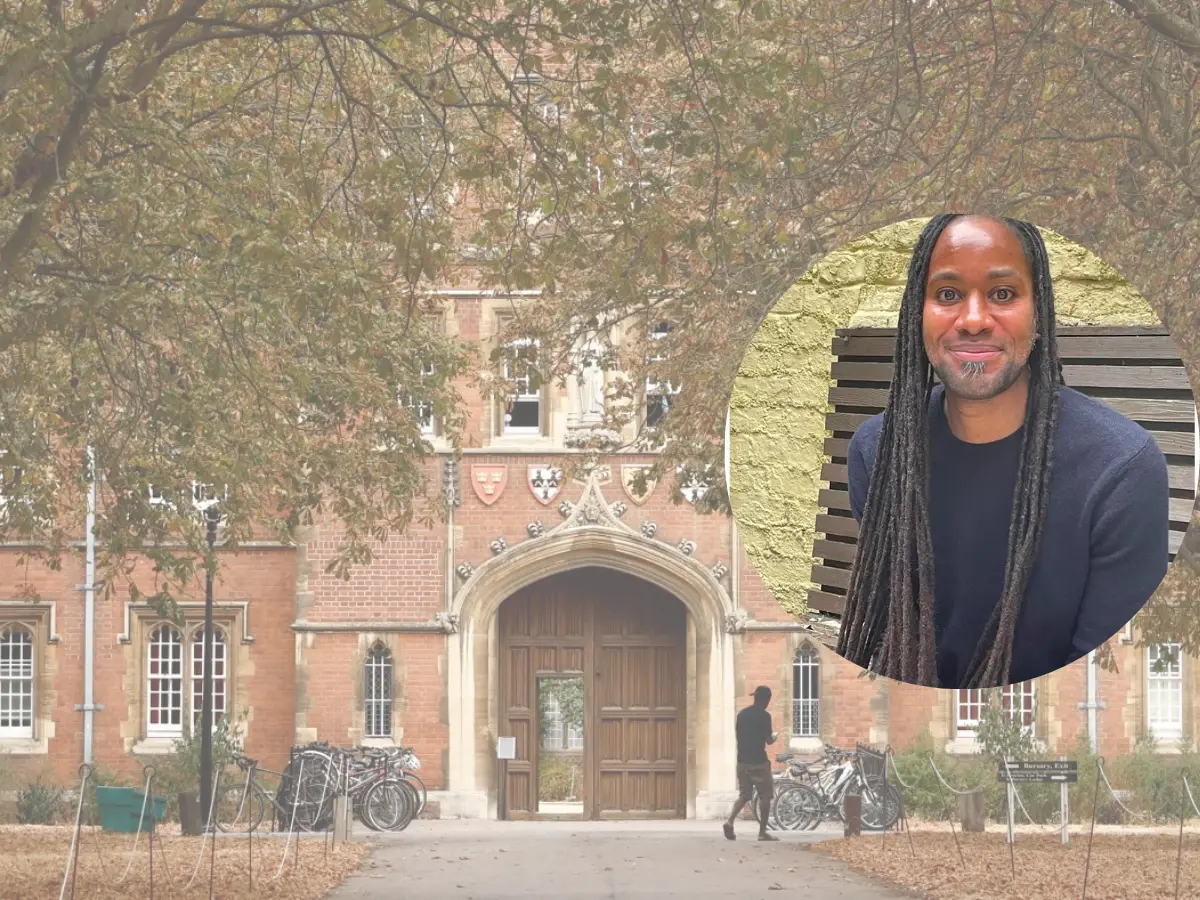
Cambridge professor Jason Arday found dead after plagiarism dispute
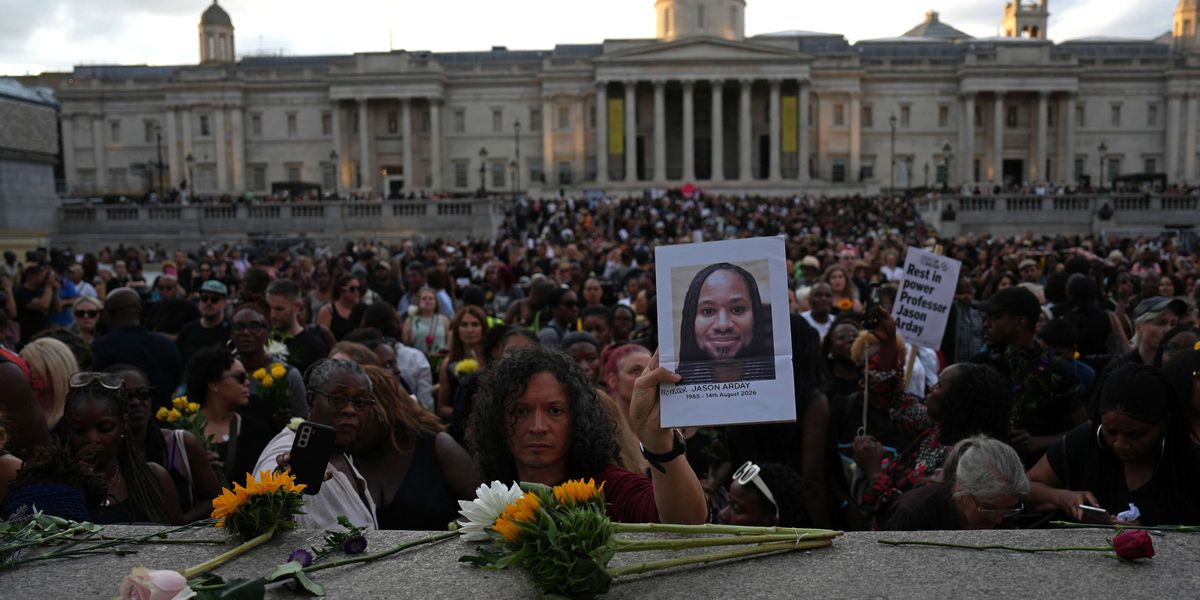
Debate Over Jason Arday’s Scrutiny Continues Before Book Publication
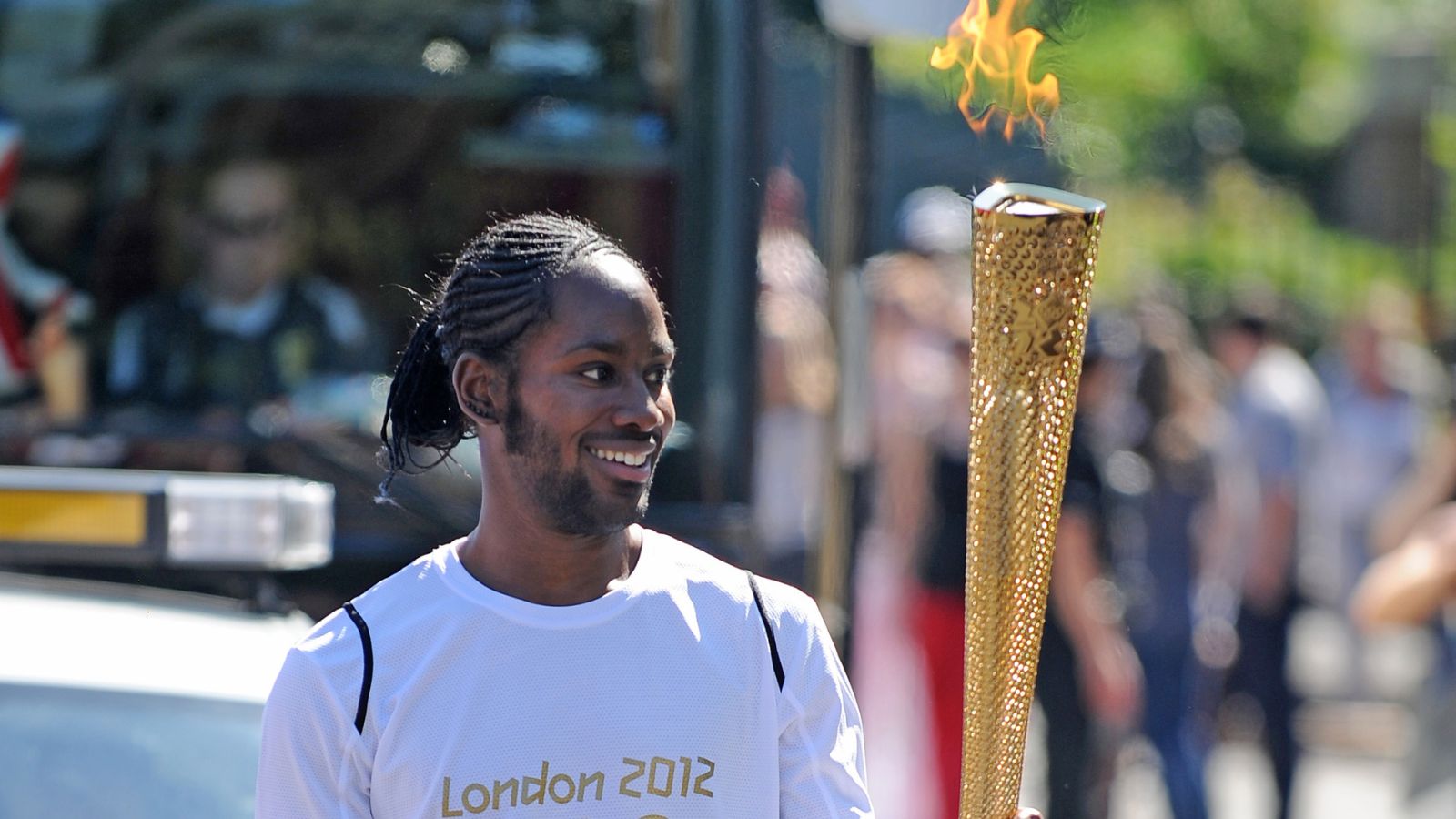
Jason Arday, Youngest Black Cambridge Professor, Found Dead in London
UGC Invites Applications for 2026-27 ODL, Online Programme Recognition

India Compresses Professional Training Across Law, Science, and Medicine

UGC Opens Applications for Distance and Online Courses

NTA Releases UGC-NET June 2026 Re-Exam City Intimation Slip

Allahabad University Opens PhD Admissions For 2026-27 Session