2 hrs ago
US Trade Deficit Surges as AI Imports Reach Record

The United States bought much more from other countries than it sold in July.
This difference is called the trade deficit.
The deficit grew to $88.6 billion, its highest level since March 2025.
Companies imported many computers, computer parts and semiconductors for artificial intelligence projects.
Imports went up, while exports went down.
The United States had especially large goods deficits with Taiwan and several other trading partners.
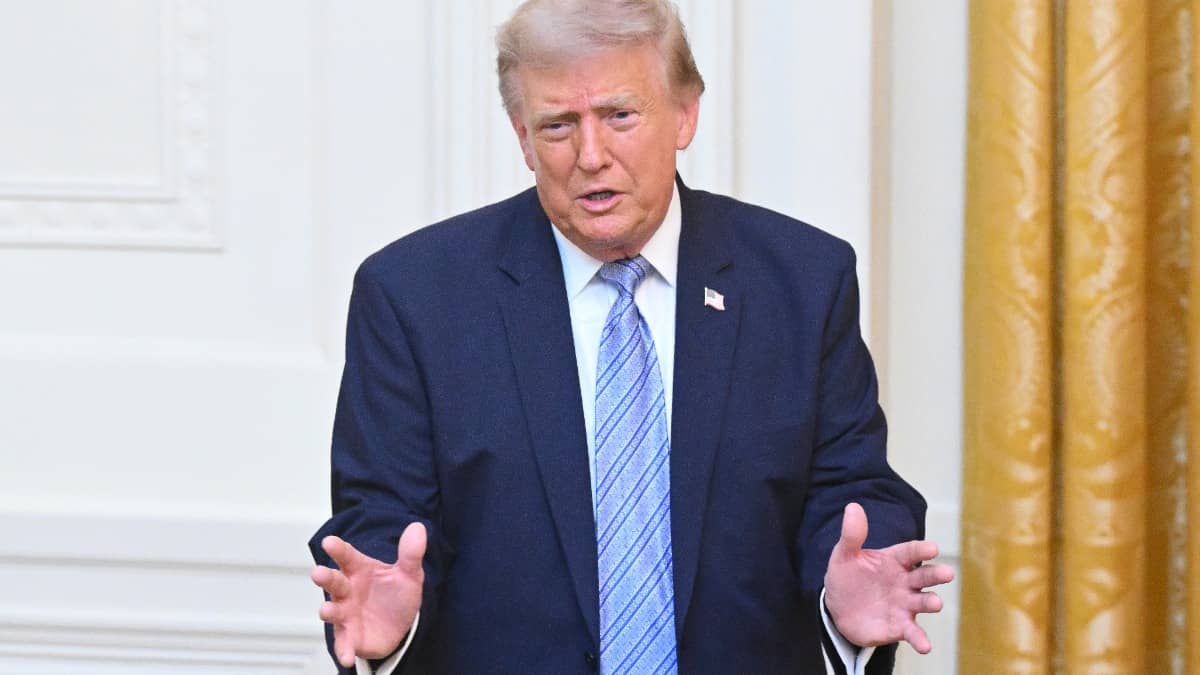
President Donald Trump’s administration is using tariffs to try to encourage more manufacturing at home.
However, businesses may still need foreign technology products, and the larger deficit could slow economic growth.

The US trade deficit rose 24.4% to $88.6 billion in July from $71.2 billion in June.
Imports increased 2.8% to $399.3 billion, while exports fell 2.1% to $310.7 billion.
Capital goods imports reached a record $140.3 billion, driven by computers, accessories and semiconductors.
The US recorded record goods trade deficits with Taiwan, Mexico, Vietnam, Thailand, South Korea and Malaysia.
The wider deficit could weigh on third-quarter growth as the administration considers additional tariffs, including on semiconductors.
- Who
- The United States, US businesses, foreign suppliers and the Trump administration are involved.
- What
- The US trade deficit widened 24.4% to $88.6 billion in July.
- Where
- The trade involved the United States and trading partners including Taiwan, Mexico, Vietnam, Thailand, South Korea and Malaysia.
- When
- In July, compared with June; the data were released Thursday.
- Why
- Imports, especially technology-related capital goods for artificial intelligence infrastructure, rose faster than exports.
Tariff Supporters
Tariff Critics and Trade Concerns
Reducing dependence on foreign goods
Tariff Supporters
The Trump administration argues that targeted tariffs and incentives for companies that build in the United States can encourage domestic manufacturing, including semiconductor production.
Tariff Critics and Trade Concerns
The July figures show that tariffs have not prevented record goods deficits with several major trading partners, while US businesses continue importing technology needed for AI investment.
Semiconductor policy
Tariff Supporters
Commerce Secretary Howard Lutnick said companies producing chips and other technology products in the United States could receive preferential treatment under targeted tariff policy.
Tariff Critics and Trade Concerns
Additional semiconductor tariffs could add uncertainty to supply chains that currently rely heavily on foreign-made technology products.
Economic effects
Tariff Supporters
Supporters of domestic production may view increased investment in US manufacturing as a long-term goal despite short-term trade fluctuations.
Tariff Critics and Trade Concerns
The wider deficit could weigh on third-quarter growth, after trade already reduced second-quarter GDP growth by 1.14 percentage points.
Key facts
- July trade deficit
- $88.6 billion
- Monthly change
- Up 24.4% from $71.2 billion in June
- Imports
- Rose 2.8% to $399.3 billion
- Exports
- Fell 2.1% to $310.7 billion
- Capital goods imports
- Record $140.3 billion, up $14.4 billion
- Goods trade deficit
- Rose 17.3% to $119.6 billion
- Largest highlighted bilateral deficit
- Taiwan, at a record $20.7 billion in July
Quotes

Howard Lutnick
US Commerce Secretary discussing potential semiconductor tariffs and incentives for domestic production
“What you're going to see is targeted, thoughtful tariff policy that basically says if you build here, you don't pay,”
 livemint.com
Sources
Related news
India's exports surge 19.6% as trade deficit hits six-month high

India's July Exports Hit Record High as Trade Deficit Widens

Trump administration weighs chip tariffs amid AI industry warnings

AI Chipflation and Tariffs Drive U.S. Inflation Higher

India's exports to US, China, West Asia rise

Indian American Voters Lean Democratic Ahead of 2026 Midterms

Doomsday Population Prediction Nears, But Demographers Reject Squeezed-to-Death Scenario

Rajan Proposes AI Tax as Firms Confront Potential Job Losses

Tracker Finds Trump Administration Changed Nearly 400 Government Datasets