1 week ago
Supreme Court Sets Limits for Abetment of Suicide Claims
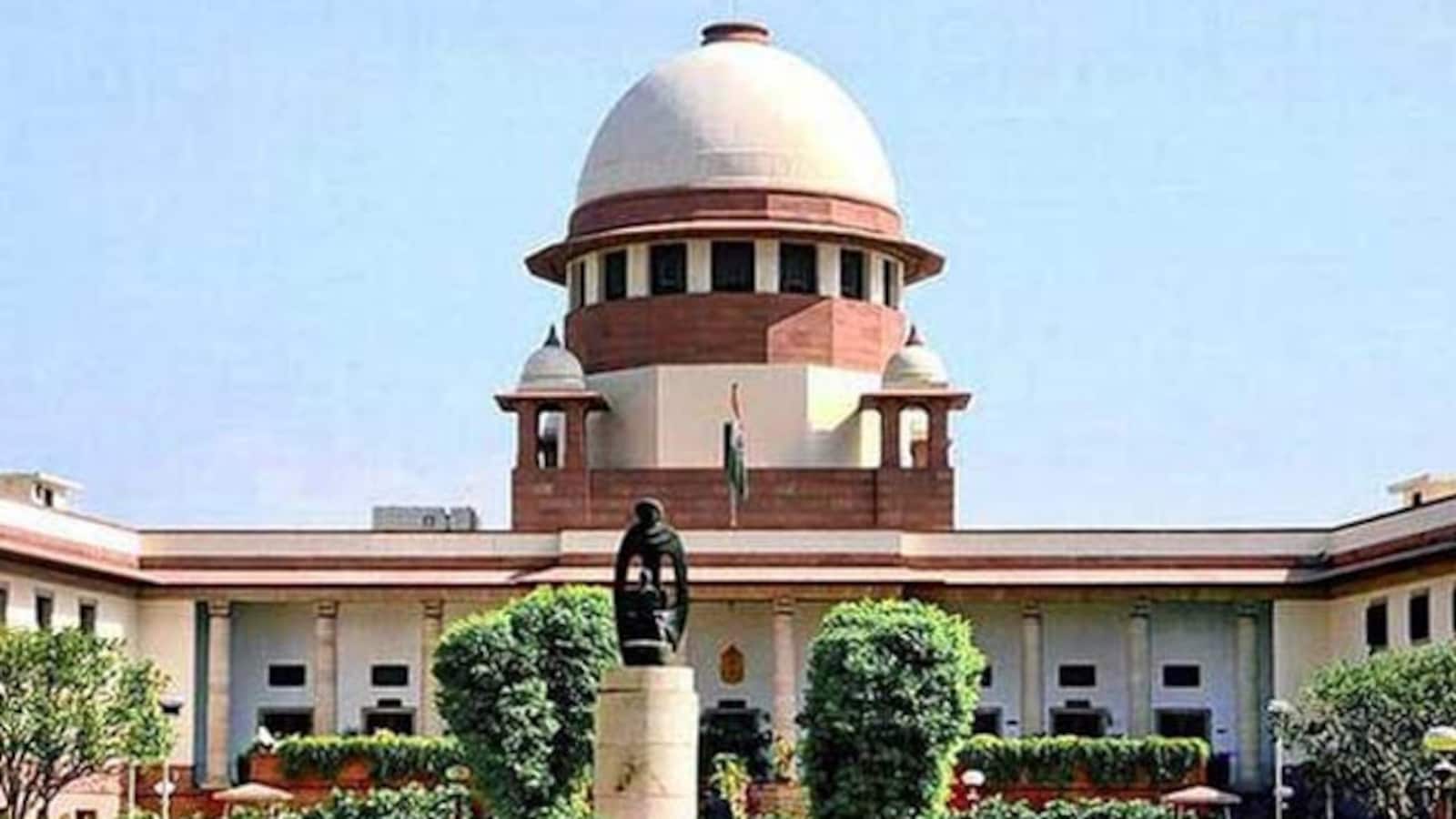
A forest officer died by suicide in Maharashtra in 2021.
Her suicide notes blamed her superior, Vinod Shivakumar.
Prosecutors said he had mistreated and pressured her at work.
The Supreme Court said those allegations did not automatically prove a crime.
The court explained that harsh workplace behaviour is not enough by itself.
Prosecutors must show that the accused intended to push the person toward suicide.
They must also show an act of encouragement or help close in time to the suicide.
The court found that the main incidents had happened months earlier.
It therefore discharged Shivakumar from the case.

The Supreme Court discharged senior forest officer Vinod Shivakumar in a suicide-abetment case.
The case followed a woman forest range officer's suicide in Maharashtra on March 25, 2021.
Prosecutors alleged that Shivakumar harassed, humiliated, reprimanded and penalised the officer.
The court said stern supervision and administrative directions alone do not establish abetment.
It held that Section 306 requires criminal intent and a proximate act of instigation or intentional aid.
- Who
- The Supreme Court, senior forest officer Vinod Shivakumar and a deceased woman forest range officer were involved.
- What
- The court discharged Shivakumar and ruled that stern supervision or administrative action alone cannot establish abetment of suicide.
- Where
- The officer was posted in the Harisal Range in Maharashtra.
- When
- The forest officer died on March 25, 2021; the Supreme Court issued its ruling in the resulting case.
- Why
- The court found no sufficient evidence of criminal intent or a proximate act of instigation or intentional aid.
Prosecution's Position
Supreme Court's Ruling
Alleged workplace harassment
Prosecution's Position
The prosecution said Shivakumar repeatedly insulted and harassed the officer, reprimanded her, issued show-cause notices, stopped her salary and assigned difficult field duties.
Supreme Court's Ruling
The court held that stern behaviour, disciplinary supervision, ordinary administrative directions and adverse remarks do not constitute abetment without evidence of a conscious intention to drive the subordinate to suicide.
Suicide notes
Prosecution's Position
The officer left three notes specifically blaming Shivakumar for her death, which the prosecution relied on alongside witness statements.
Supreme Court's Ruling
The court said the notes showed the deceased's anguish but could not, by themselves, establish the accused's required criminal intent.
Timing and causation
Prosecution's Position
The prosecution argued that repeated mistreatment, including allegations linked to events in 2020, had driven the officer to take her own life.
Supreme Court's Ruling
The court found the relied-on incidents too remote, noting the absence of a proximate act of instigation immediately before the suicide.
Key facts
- Accused
- Vinod Shivakumar, then Deputy Conservator of Forests
- Deceased officer
- A woman forest range officer posted in the Harisal Range
- Date of suicide
- March 25, 2021
- Legal provision
- Section 306 of the Indian Penal Code, concerning abetment of suicide
- Supreme Court finding
- The record lacked the necessary elements of abetment, including proximate instigation and criminal intent
- Earlier proceedings
- The court set aside the Bombay High Court and trial court orders and discharged Shivakumar
Quotes
Supreme Court bench
Justices Satish Chandra Sharma and N Kotiswar Singh
“The bench said that “ordinary administrative directions, disciplinary supervision, adverse remarks regarding official performance, or even stern behaviour on the part of a superior officer” cannot constitute abetment in the absence of material showing a conscious intention to drive the subordinate to suicide.”
 NDTV
NDTV
Sources
Related news

Supreme Court Says False FIR Alone Cannot Abet Suicide

Telangana High Court Grants Bail to Advocates in Suicide Case

Five Held in Hyderabad Suicide Case Over Motorcycle Damage
Allahabad High Court Acquits Husband in Dowry Abetment Suicide Case

Thane Man Dies by Suicide During Video Call; Four Booked

Two Years After RG Kar Doctor's Rape-Murder, Case Remains Unresolved

ED widens Chhattisgarh probes with two arrests and searches

Delhi High Court Orders Madhya Pradesh to Pay Advocate Dues
Haryana sanitation workers’ strike puts BJP government under pressure
Orissa High Court Says Brothel Customers Cannot Face Trafficking Charges