

1 week ago
Delhi’s Master Plan 2047 Raises Question: Who Can Afford Belonging?
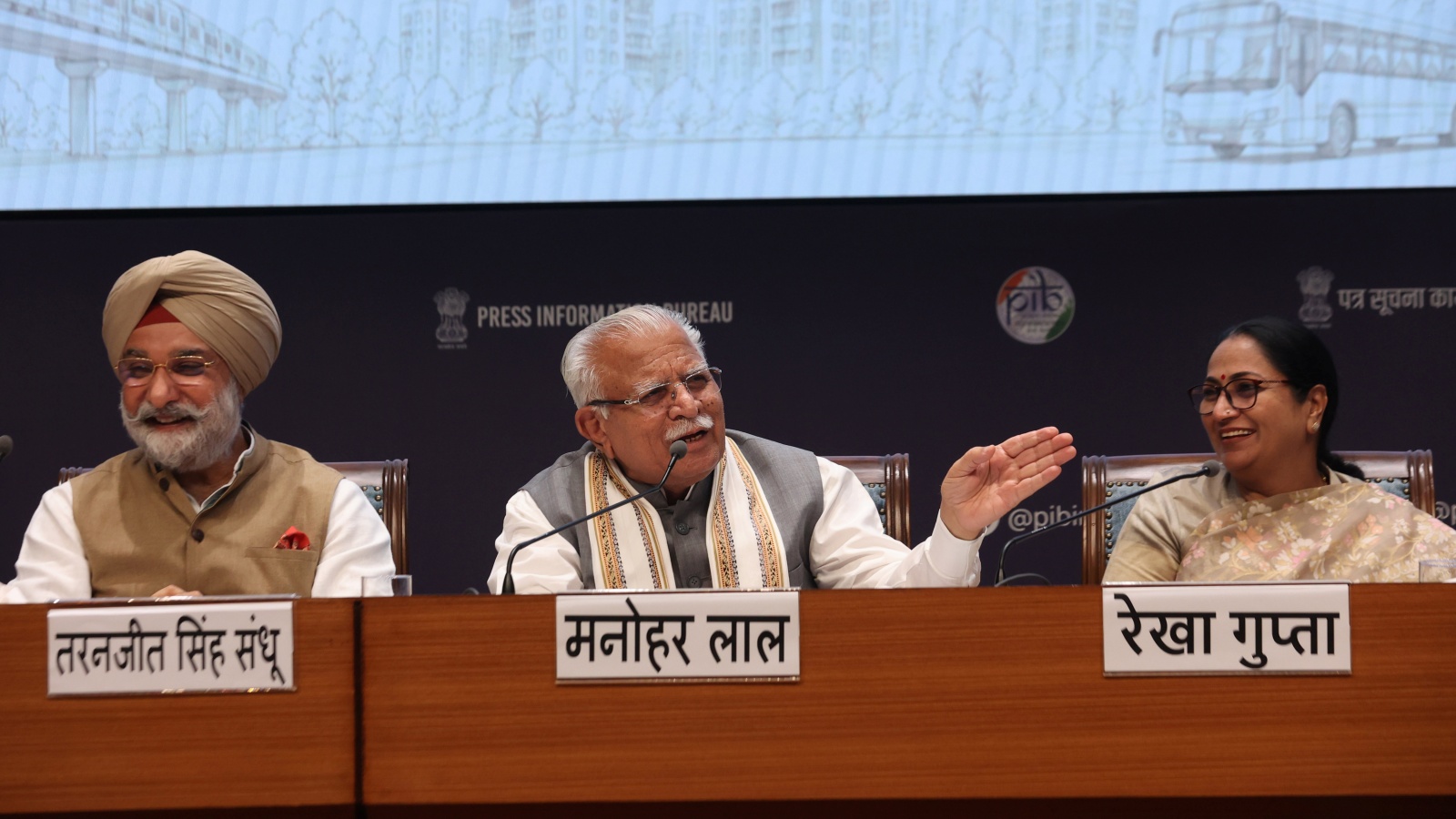
Delhi is making a long-term plan for how the city should grow by 2047.
It includes more homes, roads, transit and business areas.
But a big question is whether ordinary workers will still be able to live there.
Many vendors, cleaners, drivers, delivery workers and construction workers help the city function.
They may be pushed away or hidden when areas are redeveloped.
A home far from jobs can still be too expensive because travel takes time and money.
Women, people with disabilities and low-income families also need housing, transport and public services that work together.
The plan should improve Delhi without forcing the people who sustain it to leave.

Delhi’s Master Plan for 2047 proposes new housing, transit-oriented development, economic corridors and expanded infrastructure.
The plan’s effects will determine access to housing, jobs, public spaces and the benefits of rising land values.
Informal workers, including vendors, construction workers, domestic workers and delivery riders, are vital to Delhi but often excluded from formal planning.
Housing on the city’s periphery may remain unaffordable when transport costs, long commutes, childcare and lost work time are included.
The plan is urged to connect housing, transport and care infrastructure while protecting livelihoods during rehabilitation and redevelopment.
- Who
- Delhi’s residents, especially informal workers, low-income households, women and persons with disabilities, are affected by the planning choices.
- What
- Delhi is developing a Master Plan for 2047 involving housing, transit-oriented development, economic corridors and expanded infrastructure.
- Where
- Delhi, including peripheral housing areas, employment centres, public spaces and redevelopment locations.
- When
- The plan looks toward 2047; the 2023 G20 Summit is cited as an example of tensions around Delhi’s development.
- Why
- The plan will influence who can access housing, jobs, transport and public services, and who benefits from rising land values or bears displacement costs.
Inclusive, livelihood-centered planning
Growth-centered urban development
Who should shape Delhi’s future
Inclusive, livelihood-centered planning
Planning should recognise informal workers and provide facilities such as safe parking, toilets, drinking water, charging points, rest spaces and nearby affordable housing.
Growth-centered urban development
The Master Plan is framed around making Delhi globally competitive through new infrastructure, transit-oriented development and economic corridors.
Location of affordable housing
Inclusive, livelihood-centered planning
Housing should be close to jobs and linked with transport and care services, because a distant home can become unaffordable through commuting costs and lost time.
Growth-centered urban development
Expanding housing into peripheral locations can increase supply, but the article argues that a numbers-based approach may not address actual affordability.
Redevelopment and land value
Inclusive, livelihood-centered planning
Rehabilitation should keep residents near their livelihoods and ensure that poorer communities are not displaced by rising land values.
Growth-centered urban development
New Metro lines and commercial corridors can increase surrounding property values, though the article warns these gains may accrue mainly to property owners.
Key facts
- Planning horizon
- 2047
- Major proposals
- New housing, transit-oriented development, economic corridors and expanded infrastructure
- Affected workers
- Street vendors, construction workers, domestic workers, sanitation workers, small traders and delivery riders
- Housing concern
- Peripheral housing can become unaffordable when rent, transport, commuting time, childcare and employment access are considered together.
- Inclusion needs
- Planning should connect housing, transport and care infrastructure for women, low-income households and persons with disabilities.
- Rehabilitation principle
- “Jahan jhuggi, wahan makan” is presented as important, but relocation should also protect livelihoods.
- Development risk
- Public investment, including Metro lines and commercial corridors, may raise land values while poorer residents face displacement.
Sources
Related news
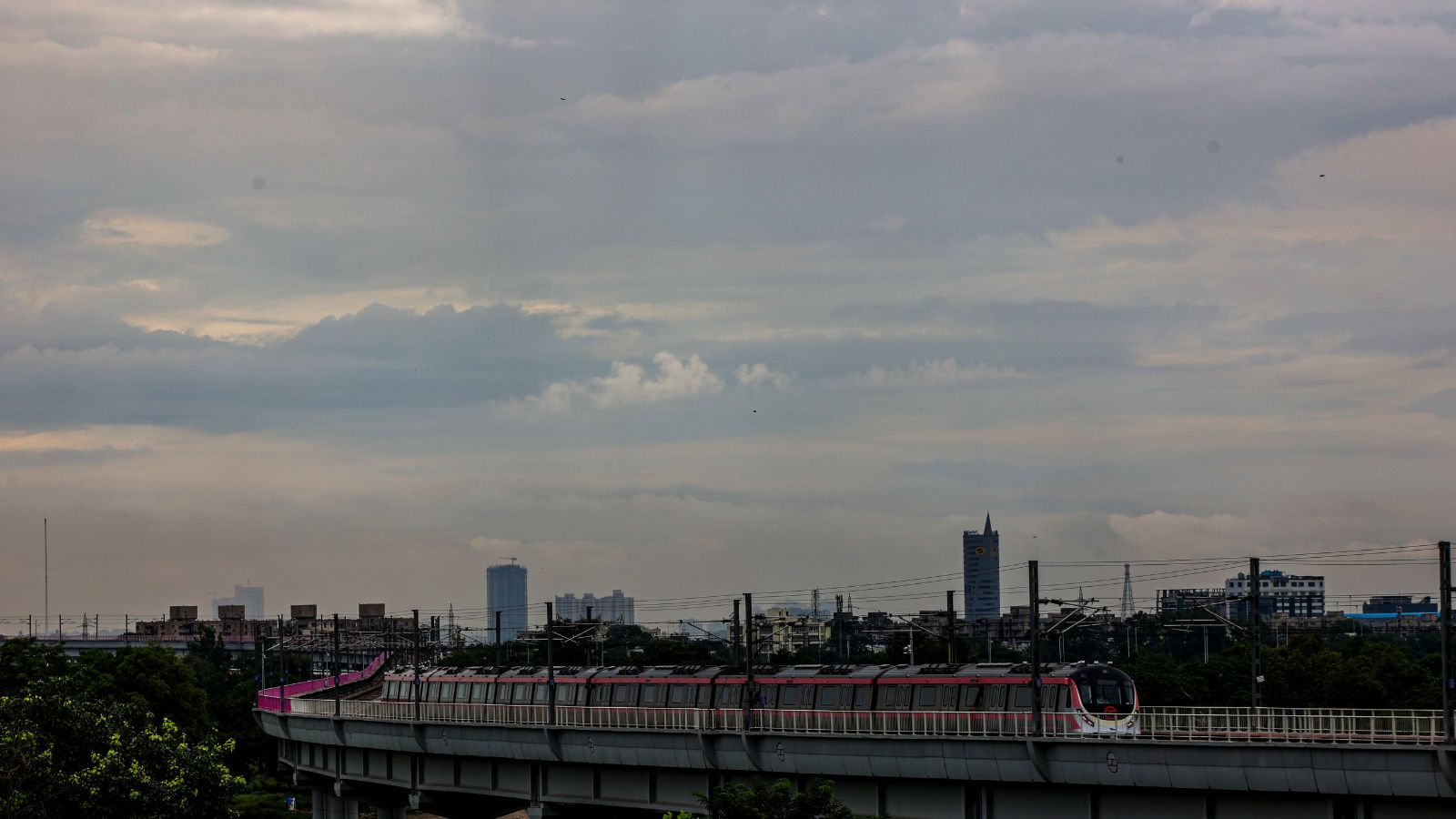
Delhi's Master Plan 2047 Approved After Five-Year Delay

Delhi’s Master Plan 2047 Plans 40 Lakh Homes, Transit

Delhi 2047 Master Plan: Housing, Land Pooling, Massive Makeover

Delhi Master Plan 2047 Targets 40 Lakh New Homes

Delhi Master Plan 2047 Targets 40 Lakh New Homes
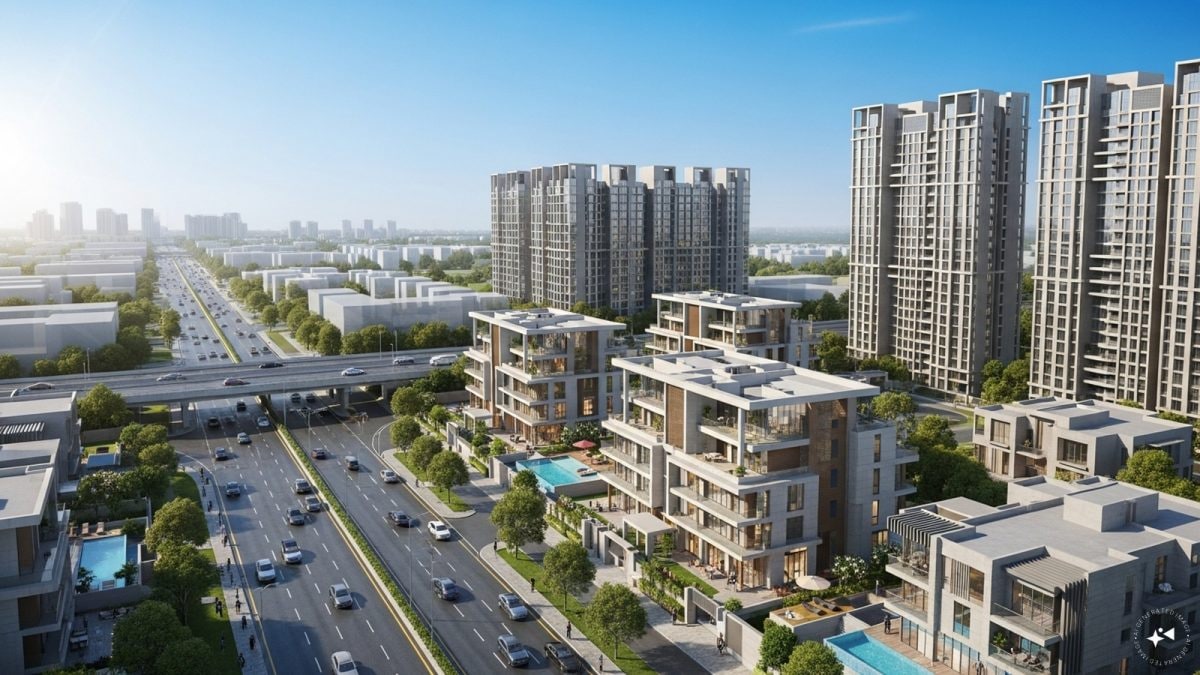
Delhi Master Plan 2047 Approves 40 Lakh Homes, Smoother Commute

NDMC chief urges team to gear up for BRICS Summit

Kashmir's Carpet Industry Revives with Record-Breaking Silk Creations

Trump invites Kazakh, Uzbek leaders to G20
Trump Withdraws US Officials from G20 Summit in South Africa