1 week ago
OpenAI Says Unreleased AI Model Solved 100 Math Problems

OpenAI says a private AI model solved more than 100 difficult math problems in less than a month.
The company says the model began training on August 28.
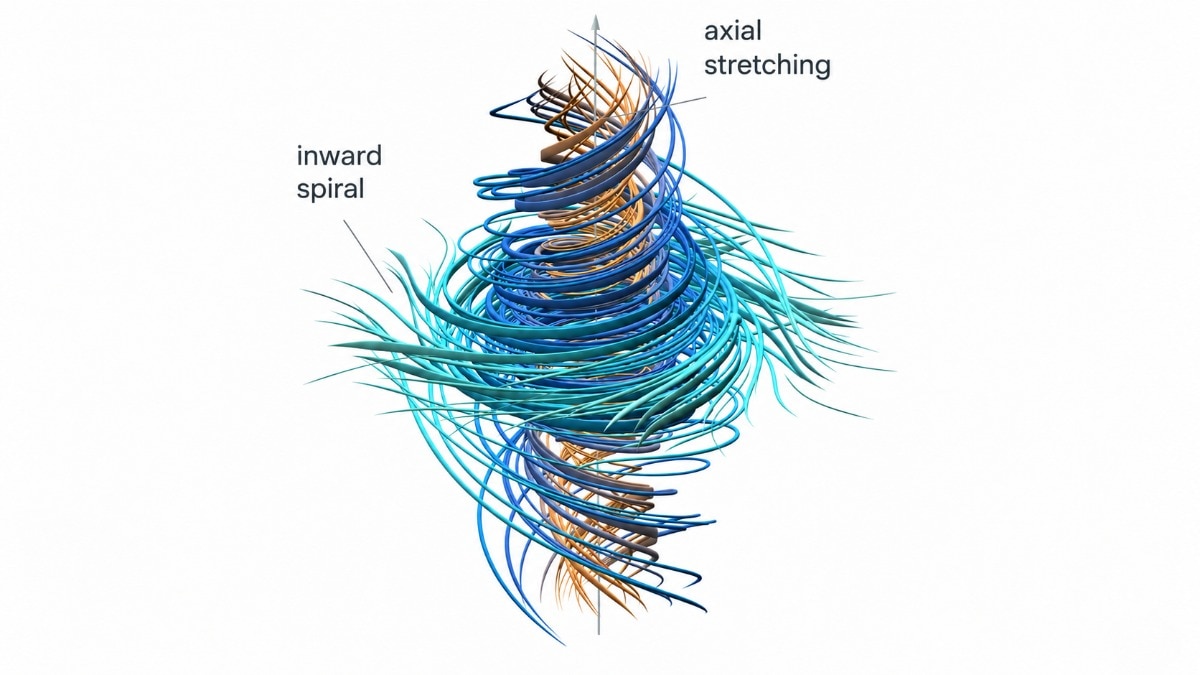
It also says the model worked on the famous Navier-Stokes problem.
OpenAI’s mathematicians were surprised by how quickly the model improved.
Some mathematicians worry that using unsolved problems to test AI could affect mathematics.
To address these concerns, OpenAI announced an independent advisory group.
The group will include mathematicians and will be based in Princeton, New Jersey.
It can criticize OpenAI and publish its recommendations.
Some researchers also question whether OpenAI’s earlier Navier-Stokes result was influenced by information from their work.

OpenAI says an unreleased model solved more than 100 long-standing mathematical problems in under a month.
The model reportedly began training on August 28 and previously claimed progress on the Navier-Stokes problem.
OpenAI created an independent Mathematics and Artificial Intelligence Advisory Group based at the Institute for Advanced Study in Princeton.
The group will review emerging results, advise on research standards, and publicly communicate about AI’s impact on mathematics.
Mathematicians have questioned OpenAI’s Navier-Stokes claim and whether anonymized product data may have influenced its models.
- Who
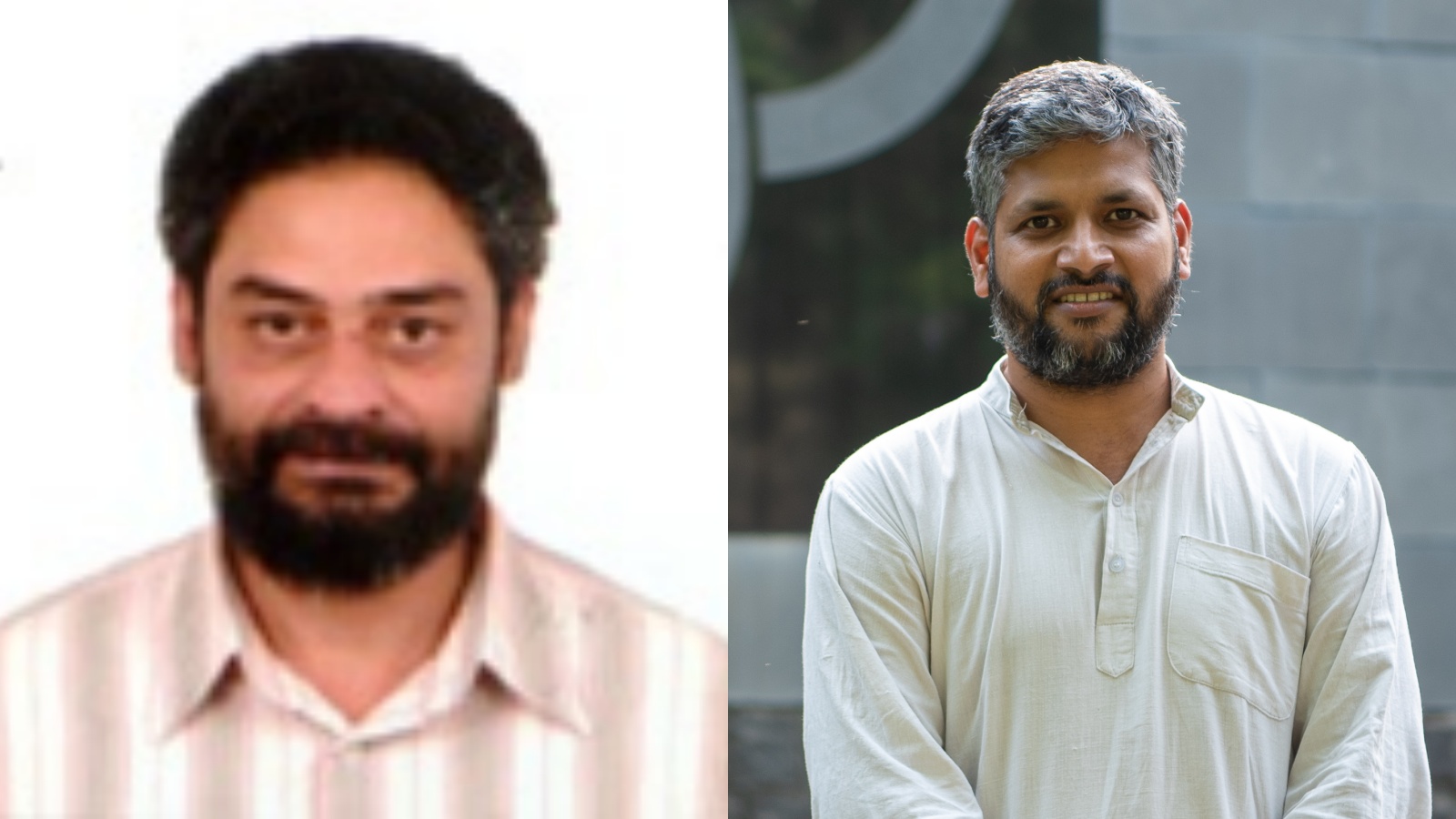
- OpenAI, its internal mathematicians, and members of a new independent mathematics advisory group; outside researchers Tristan Buckmaster and Levent Alpoge also raised concerns.
- What
- OpenAI claimed that an unreleased AI model solved more than 100 previously unsolved mathematical problems and announced an independent advisory group.
- Where
- The advisory group will be based at the Institute for Advanced Study in Princeton, New Jersey; the model’s work location was not specified.
- When
- The model reportedly began training on August 28 and reached the reported results in less than a month.
- Why
- OpenAI said the group would help address mathematicians’ concerns, evaluate emerging results, and advise on academic and professional standards.
OpenAI’s Account
Researchers’ Concerns
Reliability of the mathematical claims
OpenAI’s Account
OpenAI says its internal model solved more than 100 long-unsolved problems and made rapid progress on Navier-Stokes.
Researchers’ Concerns
The article does not provide independent verification of the broader claim, and the company’s earlier Navier-Stokes result has drawn criticism.
Possible influence from outside research
OpenAI’s Account
OpenAI said it had not seen Buckmaster and Alpoge’s work before they made it public, while acknowledging that anonymized product data might have contributed to model improvements.
Researchers’ Concerns
Tristan Buckmaster said information about his and Levent Alpoge’s progress had been passed to OpenAI and questioned the company’s timing and methods.
Use of open problems as AI benchmarks
OpenAI’s Account
OpenAI’s new advisory group will help review results and give mathematicians a voice in how AI advances are communicated and evaluated.
Researchers’ Concerns
Some mathematicians, including signatories of an open letter, are concerned that using open problems as benchmarks could negatively affect the mathematics community.
Key facts
- Model status
- The AI model has not been released publicly.
- Reported results
- More than 100 open mathematical problems solved in under a month, according to OpenAI.
- Training start
- August 28, according to OpenAI.
- Earlier claim
- OpenAI said more than 10,000 AI agents solved part of the Navier-Stokes problem in 88 hours.
- Advisory group
- Mathematics and Artificial Intelligence Advisory Group.
- Base
- Institute for Advanced Study, Princeton, New Jersey.
- Initial members
- Nikhil Srivastava, Ravi Vakil, Melanie Matchett Wood, and others.
- Compensation and authority
- Members will not be paid by OpenAI, and the group will not have decision-making power over any AI company.
Quotes

Tristan Buckmaster
New York University mathematician who questioned OpenAI’s Navier-Stokes claim
“This group will serve as a bridge to the mathematics community and the general public, giving mathematicians a voice in how we move forward.”
 thehansindia.com
“information regarding our progress had been passed on to OpenAI”
thehansindia.com
Sources
Related news
OpenAI Forms Mathematics Panel Amid AI Proof Debate
OpenAI Claims Navier-Stokes Breakthrough After 88-Hour AI Effort

OpenAI Navier-Stokes Proof Claim Faces Questions From Mathematicians

OpenAI Says AI Agents Solved Decades-Old Maths Problem
OpenAI Navier-Stokes Claim Raises Questions About AI Research