

4 days ago
Jan Dhan’s 590 Million Accounts Face Debate Over Success
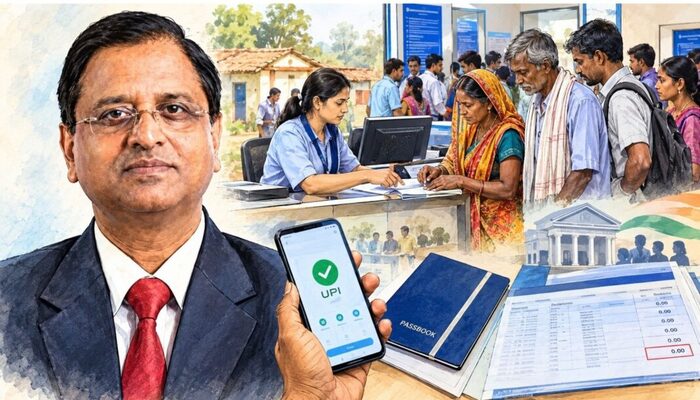
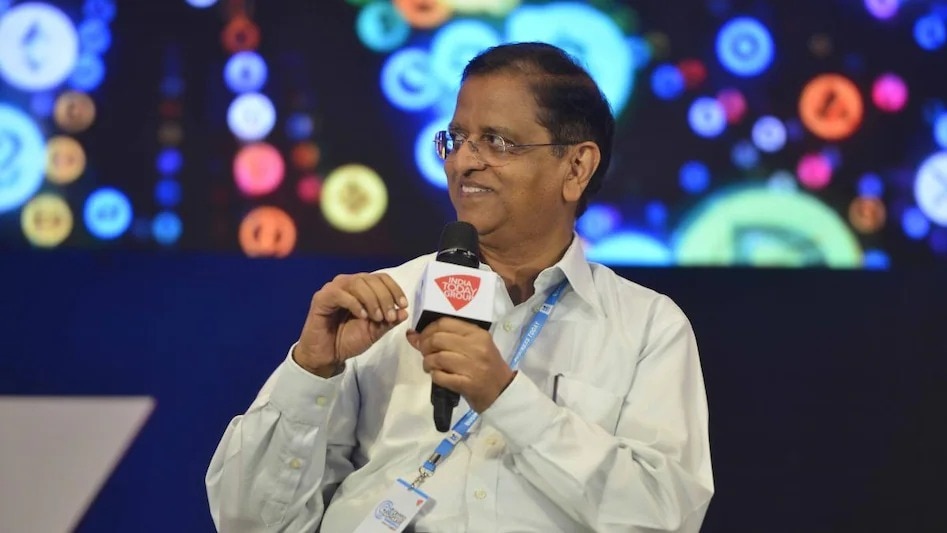
Subhash Garg says India’s Jan Dhan bank-account program has not worked well.
He points to millions of accounts with no money and many accounts that are inactive.
The article gives a different view of these numbers.
It says people can intentionally keep a zero balance because the accounts do not require a minimum deposit.
The program was created to help people who previously had no bank account.
It also lets the government send welfare money directly to citizens.
The article says these transfers helped prevent large amounts of money from being lost through leakages.
It concludes that the program expanded banking access even if not every account is used regularly.

Subhash Garg argues that the Pradhan Mantri Jan Dhan Yojana has failed, citing zero-balance and inactive accounts.
The scheme has opened about 590 million accounts, while account ownership among Indian adults rose from 53% in 2014 to 89% in 2024.
The article says zero balances are an intended feature of the scheme, which targets low-income and previously unbanked citizens.
Jan Dhan deposits reportedly added more than ₹3 trillion to the banking system and helped support Direct Benefit Transfers.
The article argues that welfare payments, account inactivity, and uncertain UPI usage do not demonstrate that the scheme has failed.
- Who
- Former Finance Secretary Subhash Garg and supporters of the Pradhan Mantri Jan Dhan Yojana are central to the debate.
- What
- Garg has called the Jan Dhan scheme a failure and argued that it should be abolished; the article disputes that assessment.
- Where
- India.
- When
- The scheme was launched in August 2014; the article cites account-ownership data from 2024 and Garg’s recent opinion piece.
- Why
- The scheme was created to bring unbanked citizens into the formal banking system and enable savings, credit access, and Direct Benefit Transfers.
Critics of Jan Dhan
Defenders of Jan Dhan
Whether the scheme has failed
Critics of Jan Dhan
Subhash Garg says the scheme’s zero-balance accounts, inactive accounts, limited information about UPI use, and welfare-focused usage show that it has not achieved enough.
Defenders of Jan Dhan
The article argues that the scheme should be judged by its core goals: expanding access to bank accounts, supporting savings and withdrawals, enabling credit and debit cards, and delivering welfare payments.
Meaning of inactive or zero-balance accounts
Critics of Jan Dhan
Critics treat the large number of zero-balance and inactive accounts as evidence of weak usage and limited impact.
Defenders of Jan Dhan
The article says zero balances are permitted by design and that people moving to other banks after entering the formal financial system may represent progress rather than failure.
Role of government promotion
Critics of Jan Dhan
Garg argues that the government should stop promoting the scheme and abolish it.
Defenders of Jan Dhan
The article says highlighting the program is reasonable because it expanded account access at a large scale, reportedly opening more than 500 million accounts in a comparable period.
Key facts
- Accounts opened
- About 590 million under the Jan Dhan scheme
- Zero-balance accounts
- About 50 million, according to Garg’s cited figures
- Inactive accounts
- About 150 million, according to Garg’s cited figures
- Bank-account ownership
- Rose from 53% of Indian adults in 2014 to 89% in 2024
- Average balance
- Around ₹5,000 among accounts holding money, according to the article
- Deposits added
- More than ₹3 trillion to the banking system, according to the article
- Leakages prevented
- More than ₹5 trillion through the Direct Benefit Transfer mechanism, according to official data cited in the article
Sources
Related news
Jan-Dhan Accounts Grow as Inactivity Raises Questions About Inclusion

RTI Finds One in Four Jan Dhan Accounts Inoperative
Modi's Flagship Schemes Expand Access, But Gaps Persist
Modi-Era Governance Expands Financial Inclusion and Basic Services
How Modi-Era Policies Reshaped India’s Digital Economy
Sitharaman Says MUDRA Yojana Empowers Indians To Build Businesses
Bihar Flood Response Exposes Gap Between SOPs and Reality
Subhash Garg Says GDP Revision FAQs Lack Supporting Data
Malviya Challenges Garg’s Reversal on India’s New GDP Series

Staged Video Falsely Shared as Hindu Man Harassing Elderly Muslim
