8 hrs ago
Modi's Flagship Schemes Expand Access, But Gaps Persist
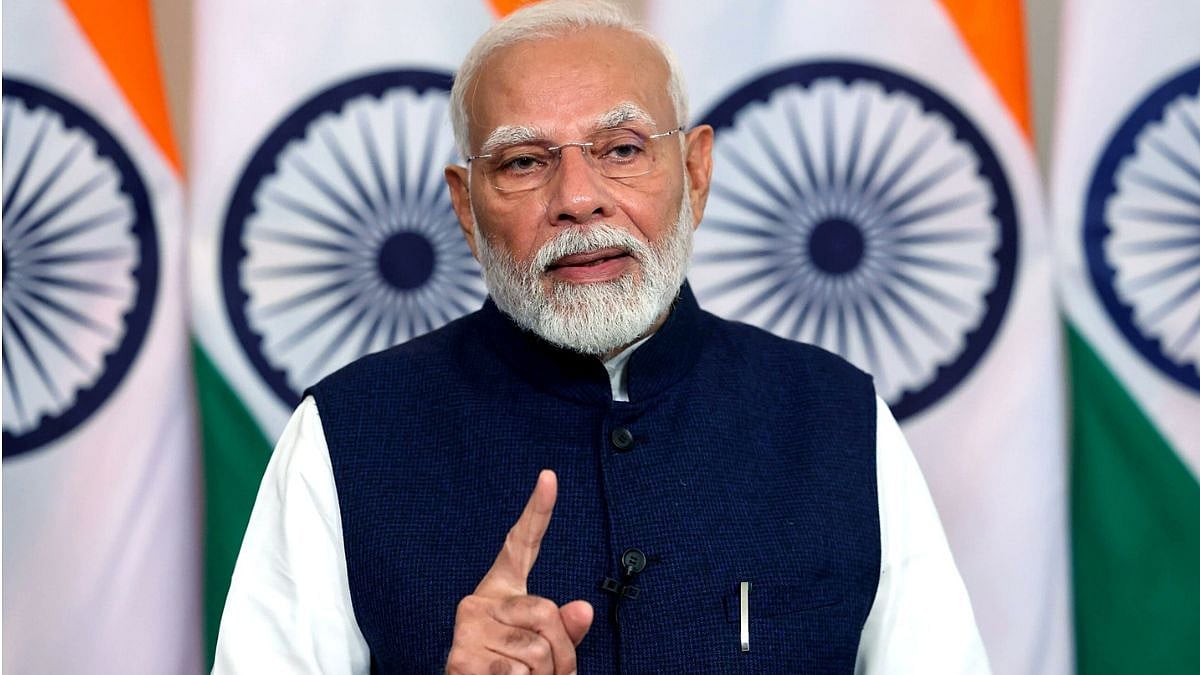
Narendra Modi’s governments started or expanded 10 large programmes over the past decade.
These programmes tried to help people obtain bank accounts, toilets, homes, healthcare, clean cooking fuel, farm support and tap water.
They also promoted digital payments and manufacturing in India.
Many millions of people received new connections, benefits or services.
For example, UPI payments grew very quickly, and many households received LPG connections.
However, receiving a connection or building something does not always mean that people can use it regularly.
Some families still cannot afford LPG refills, some toilets are not used, and some tap connections may not provide steady water.
The programmes have made important changes, but their success also depends on quality, affordability and reliable delivery.
The article presents both the reported achievements and the remaining problems.

Ten initiatives associated with Narendra Modi’s governments expanded access to banking, sanitation, housing, healthcare, cooking fuel, water and digital services.
Government data reports more than 12 crore toilets under Swachh Bharat and 100% rural sanitation coverage by 2019, but a 2024 Punjab study found continued open defecation.
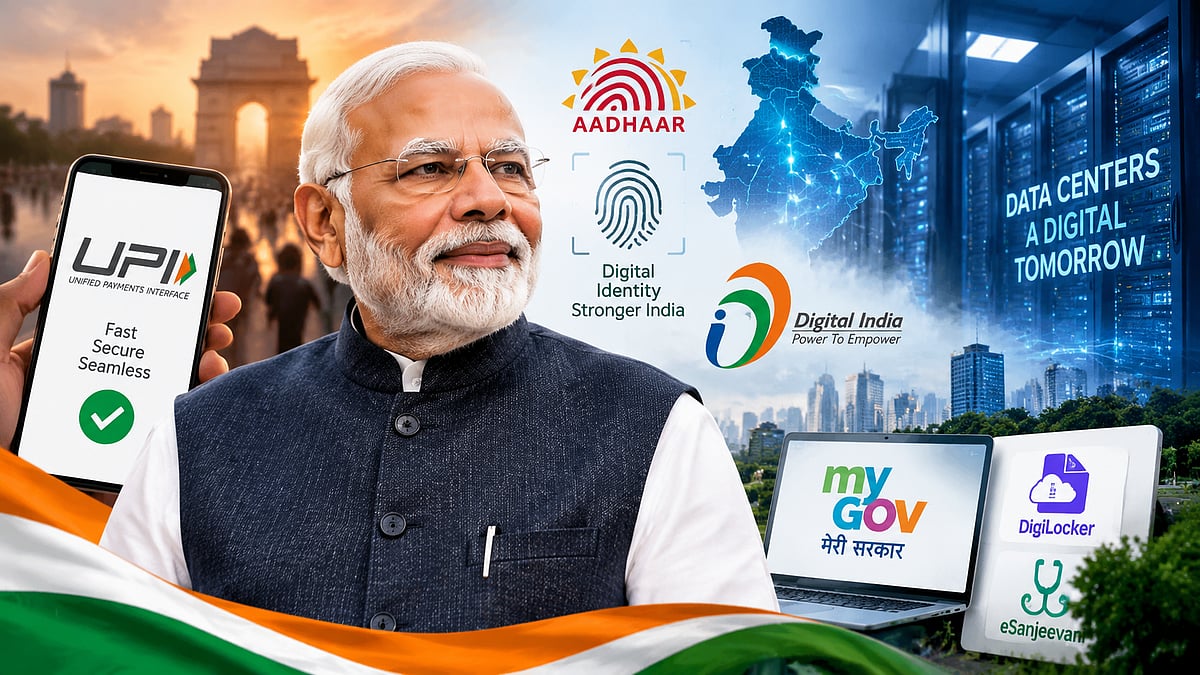
Digital India helped drive UPI growth from ₹708 crore in December 2016 to ₹23.25 lakh crore in December 2024.
Ujjwala expanded LPG connections, but refill affordability limited regular use for many households, according to studies cited in the article.
Manufacturing and welfare programmes reported large gains, while questions remain over service quality, inclusion, domestic value addition and long-term sustainability.
- Who
- Narendra Modi’s governments and the households, farmers and other beneficiaries targeted by the programmes.
- What
- A review of 10 flagship schemes and initiatives, including their reported achievements, effects on people and implementation gaps.
- Where
- India, including rural and urban areas and specific findings from rural Punjab and Uttar Pradesh.
- When
- The programmes were launched or expanded between 2014 and 2020 onward; the review coincides with Narendra Modi’s 76th birthday and cites data through August 2026.
- Why
- To improve financial inclusion, sanitation, manufacturing, digital access, clean cooking, housing, healthcare, farmer incomes and rural water supply.
Reported Gains
Implementation Concerns
Access versus actual use
Reported Gains
The schemes expanded access to bank accounts, toilets, LPG connections, housing, healthcare, tap connections and digital payments for millions of people.
Implementation Concerns
Coverage or construction does not guarantee regular use: bank accounts may remain inactive, toilets may go unused, LPG refills may be unaffordable and tap water may not be reliable.
Manufacturing growth
Reported Gains
Make in India and the Production Linked Incentive scheme helped expand electronics, mobile-phone manufacturing and other production, with the government reporting major investment, output, exports and jobs.
Implementation Concerns
Growth remains uneven, and increased assembly does not necessarily mean domestic production of components or higher-value activities; it is also unclear how much activity would have occurred without incentives.
Targeting and inclusion
Reported Gains
Direct transfers and publicly funded schemes provide predictable support, including PM-KISAN payments and cashless hospitalisation under Ayushman Bharat.
Implementation Concerns
Landless agricultural labourers may be excluded from PM-KISAN, while beneficiary selection, financial management, healthcare availability and access to services outside scheme coverage remain concerns.
Key facts
- Schemes reviewed
- 10 flagship schemes and initiatives associated with Narendra Modi’s governments
- Swachh Bharat toilets
- Government data reports more than 12 crore individual household toilets constructed
- UPI transactions
- ₹23.25 lakh crore in December 2024, compared with ₹708 crore in December 2016
- PLI results
- More than ₹2.16 lakh crore investment, ₹20.41 lakh crore production or sales, and over ₹8.3 lakh crore exports by December 2025
- Ayushman Bharat coverage
- The government reported coverage of around 55 crore people in 2025
- PM-KISAN support
- ₹6,000 annually for eligible landholding farmer families through three transfers
- PMAY housing
- As of August 2026, 3.12 crore rural houses had been completed against an allocation of 4.18 crore; more than 1 crore urban houses had been completed and delivered
Sources
Related news
How Modi-Era Policies Reshaped India’s Digital Economy
Jan Dhan Yojana Expands India’s Financial Inclusion After Twelve Years
Modi-Era Governance Expands Financial Inclusion and Basic Services
Modi Highlights Jan Dhan Yojana’s Transformative Financial Inclusion Impact
Modi Hails Jan Dhan Scheme’s Impact on India’s Banking Access
PM Jan Dhan Yojana Turns 12 With 59 Crore Accounts

Suvendu Adhikari Pledges Reforms Alongside West Bengal Welfare Measures

Differently-Abled Pilgrims Pray at Ayodhya Ram Temple for Modi
Netanyahu Hails Modi as World Power on 76th Birthday
Thackeray Challenges CBI FIR Naming Son in Salian Probe
Kanubhai Tailor Credits Modi for Advancing Disability Self-Reliance